 King County
 Fremont's Climate Is Harder on Siding Than It Looks
Fremont sits close to the water, with marine air moving in off Puget Sound and the Ship Canal, mature tree canopy shading a lot of the older housing stock, and a stretch of wet weather that runs from fall deep into spring. None of that is unusual for King County, but it adds up to a specific set of demands on exterior cladding: siding here has to shed wind-driven rain reliably, resist moisture wicking into seams and edges, and stand up to months of damp, shaded conditions that favor moss and algae growth. A product or installation that would hold up fine in a drier climate can fail here in ways that show up as cupping, staining, soft trim, or paint that won't stay adhered.
Salt-Tinged Marine Air
Homes closer to the water pick up a fine, persistent salt content in the air. Over years, that accelerates corrosion on exposed fasteners and unprotected metal flashing, and it stresses paint films and caulk joints faster than an inland climate would. It's rarely dramatic — it's a slow, cumulative wear pattern that shows up as premature fastener staining or flashing that fails a few years earlier than it should.
Shade, Moss, and Trapped Moisture
A lot of Fremont's older lots have significant tree cover, which is part of the neighborhood's character but also means siding on north- and shaded-side walls stays damp longer after every rain. That's exactly the condition moss and algae need to establish. Once organic growth gets a foothold on a porous or poorly finished surface, it holds moisture against the wall and accelerates whatever's happening underneath — paint failure, substrate softening, or rot in wood-based products.
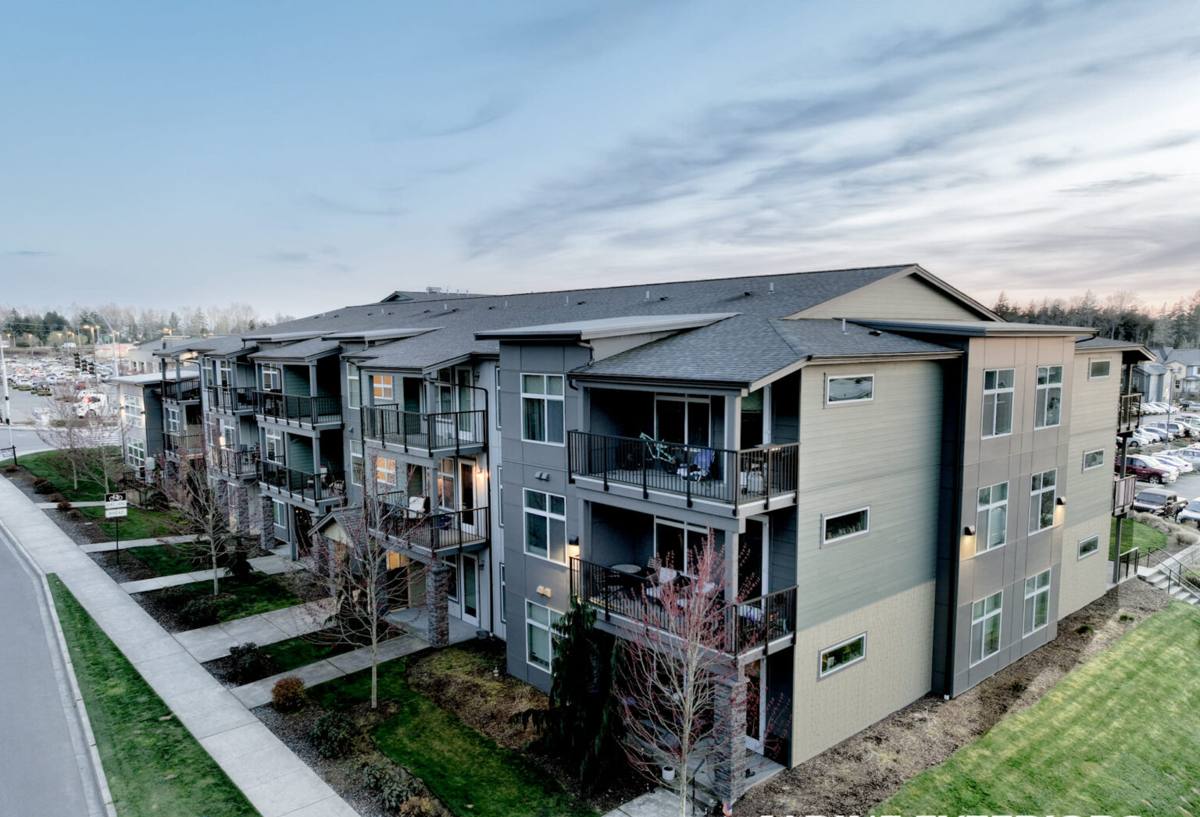
What a Correct Siding Installation Actually Involves
Siding is a system, not just a decorative skin. The visible product matters, but most of the actual performance — whether a wall stays dry and lasts decades or starts failing in five to eight years — comes down to what's happening behind it.
Water Management Comes First
Before any siding goes up, the wall needs a continuous water-resistive barrier (WRB), properly lapped and taped at seams, with flashing integrated at every penetration and transition: window and door heads, deck ledgers, roof-to-wall intersections, and kick-out flashing anywhere a roof edge meets a wall. Skipping or shortcutting any of these details creates a path for water to get behind the cladding — and once it's behind the cladding, it's invisible until the damage is already extensive.
Fastening, Clearances, and Drainage
Fiber cement siding has manufacturer-specified fastener types, spacing, and penetration depth — get any of that wrong and you compromise the product's wind and moisture performance, plus the warranty. Clearances matter too: siding needs proper gaps above grade, decks, patios, and roof lines so water and debris don't sit against the bottom edge. On many walls, especially shaded or rain-exposed elevations, a rainscreen gap (a small drainage/ventilation space between the WRB and the siding) makes a real difference in how fast a wall dries out after a storm — which matters a great deal given how much of the year Fremont spends wet.
Why We Install Only James Hardie Fiber Cement
We standardized on James Hardie products because they're engineered for exactly the conditions Fremont deals with. Hardie's HZ5 line is formulated for climates with sustained moisture exposure and temperature swings like the Pacific Northwest's. Fiber cement itself is non-combustible, dimensionally stable, and doesn't absorb moisture the way wood-based products can, which means it's far less prone to swelling, cupping, or rot from the kind of prolonged damp exposure this neighborhood sees for months at a time.
The ColorPlus factory finish is baked on under controlled conditions rather than field-applied, which gives it better adhesion and color retention than a job-site paint job — important in a climate where UV exposure is moderate but moisture cycling is constant. Hardie also backs its products with a strong transferable warranty, which matters more in a wet coastal climate than almost anywhere else, since that's where product and installation shortcuts show up soonest.
We won't install vinyl, LP SmartSide, Cemplank, Allura, primed spruce, or cedar — not because every one of those products is without merit, but because we've made a professional call that Hardie's moisture behavior, non-combustibility, and factory finish are the right standard for the homes we put our name on, especially in a climate this demanding.
How Fiber Cement Compares to Other Siding Materials Here
| Material | Moisture & Moss Behavior | Maintenance | Typical Lifespan |
|---|---|---|---|
| James Hardie fiber cement | Doesn't absorb moisture like wood; factory finish resists staining and organic growth | Occasional wash; repaint interval much longer than field-painted products | 30+ years with correct install |
| Cedar / wood siding | Absorbs moisture readily; prone to rot and moss anchoring in shaded, wet conditions | Regular refinishing, caulking, and spot repairs | 15–25 years, shorter in shaded/wet exposures |
| Vinyl | Sheds water but seams and edges can trap moisture behind panels; can warp with heat/cold cycling | Low, but damage often means full-panel replacement | 20–30 years, variable |
| Engineered wood (e.g., LP-type products) | Better than solid wood but still moisture-sensitive at cut edges and seams | Moderate; edge sealing and repainting needed over time | 20–30 years with diligent maintenance |
Our Installation Process for Fremont Homes
- On-site assessment. We inspect existing siding, sheathing, and trim condition, check for hidden moisture damage, and evaluate the home's exposure (shade, wind direction, proximity to grade or hardscape).
- Tear-off and substrate repair. Old cladding comes off, and any soft or water-damaged sheathing gets repaired or replaced before anything new goes up. This step gets skipped by corner-cutting crews — it's also the step that determines whether the new siding lasts.
- Water-resistive barrier and flashing. A continuous WRB goes on, taped and lapped correctly, with flashing integrated at every window, door, and roof-to-wall transition.
- Rainscreen where it counts. On shaded or rain-exposed walls, we build in a drainage gap so the wall assembly can actually dry between storms instead of staying saturated.
- Hardie installation to spec. Panels, lap siding, or trim go up following James Hardie's fastening and clearance requirements for the HZ product line specified.
- Caulking, trim, and finish detail. Joints are sealed correctly, trim is fitted tight, and any factory-finish touch-up is done with Hardie-approved materials.
- Cleanup and walkthrough. Site is cleaned, and we walk the job with the homeowner before calling it done.
Fremont's Housing Stock and What It Means for a Siding Job
Like a lot of King County's close-in Seattle neighborhoods, Fremont has a mix of older homes — many built in the early-to-mid 20th century — alongside newer infill construction and townhomes. Older homes often have board sheathing rather than modern OSB or plywood, which changes how fasteners, flashing, and drainage details need to be handled. Newer builds tend to have more consistent modern assemblies but can still have installation shortcuts from the original build that only show up once you open the wall. A crew that's done this work across the neighborhood knows to check for both situations rather than assuming one standard build type.
Cost Factors for a Fremont Siding Installation
Every home is different, and we don't quote a job without seeing it, but the same handful of factors drive most of the cost variation we see on Fremont projects:
| Factor | Why It Matters |
|---|---|
| Home size and wall complexity | More square footage, corners, and dormers mean more material and labor time |
| Tear-off and substrate condition | Hidden rot or damaged sheathing found during tear-off adds repair scope |
| Siding profile chosen | Lap siding, shingle-style panels, and larger board-and-batten profiles differ in material and labor cost |
| Trim and color complexity | Multiple accent colors, extensive trim work, or custom detailing add time |
| Site access | Tight lots, steep grades, or limited staging area (common on some Fremont lots) can affect labor efficiency |
Maintaining Hardie Siding in a Marine, Moss-Prone Climate
Hardie siding installed correctly needs very little upkeep, but a little seasonal attention goes a long way in a climate like this one:
- Rinse siding periodically to clear pollen, road grime, and early moss or algae buildup before it gets a foothold
- Keep gutters clear so overflow doesn't run down the wall face during heavy rain
- Trim back vegetation and tree limbs that keep a wall section shaded and damp longer than the rest of the house
- Inspect and refresh caulking at trim joints and penetrations every few years
- Watch for any staining or soft spots near ground contact, deck ledgers, or roof-to-wall intersections — these are the areas most likely to show an early water-management issue
- Address any paint chipping or exposed edges quickly, since exposed edges are where moisture gets a way in
Why Hiring a Crew That Already Works in Fremont Matters
Siding installation isn't just a product decision — it's a set of judgment calls made on-site, wall by wall. A crew that already works in Fremont and the surrounding King County neighborhoods has seen this area's shaded, damp wall conditions repeatedly, knows what board sheathing on an older home tends to look like once opened up, and understands how Seattle's permitting and inspection process works for exterior work. That familiarity shows up in fewer surprises mid-project and in installation details — flashing laps, rainscreen decisions, fastener choices — that are calibrated to this climate rather than a generic national spec sheet.
If you're weighing a siding replacement in Fremont, we're happy to take a look at your home, walk you through what we're seeing, and put together a straightforward, no-pressure estimate — just fill out the form below.