 King County
 Metal Roofing in a Neighborhood That's Hard on Roofs
Fremont sits close to the water and under a heavy tree canopy, which is a beautiful combination and a tough one for a roof. Moist air drifting off the nearby waterways, near-constant driving rain through the fall and winter, and shade from mature trees add up to one of the longer moss seasons in King County. Add in narrow lots, older homes, and roof lines that were often built before anyone thought about long-term low-maintenance materials, and you have a neighborhood where the roofing choice matters more than most.
Metal roofing has become a popular answer for homeowners here who are tired of replacing shingles every 15-20 years or scraping moss off a roof every spring. It's not the right fit for every house or every budget, but for the right situation it solves several problems at once: moisture shedding, moss resistance, and a service life that can outlast two or three shingle roofs.
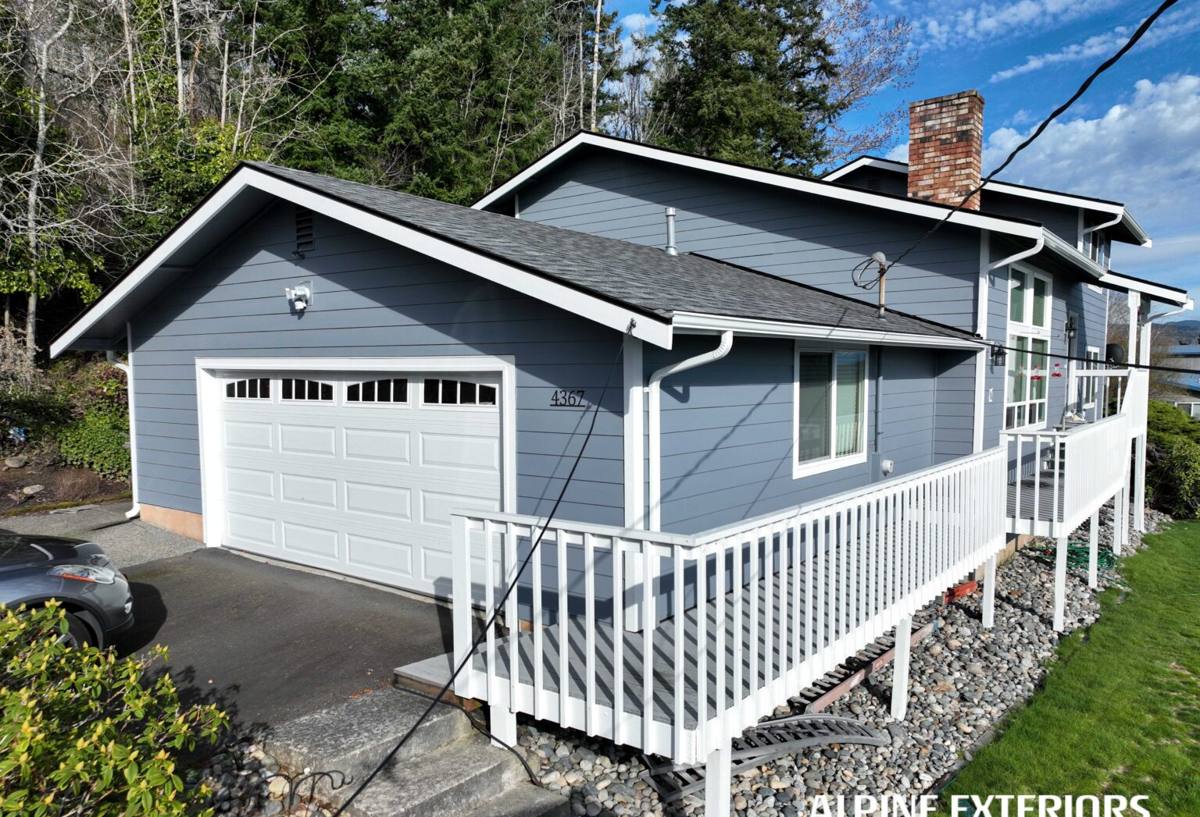
What Fremont's Climate Actually Does to a Roof
Moisture and driving rain
Seattle-area storms don't just fall straight down — wind-driven rain gets pushed sideways and up under laps, seams, and flashing that weren't detailed for it. On a shingle roof, this shows up over time as soft decking, staining in the attic, and granule loss. A metal roof, installed with the right seam type and flashing detail, sheds that water fast instead of letting it sit and work its way in.
Salt air
Homes closer to the water deal with airborne salt that accelerates corrosion on unprotected metal, fasteners, and flashing. This is one of the biggest reasons material and coating choice matters more here than it would inland — not every "metal roof" product is built to hold up the same way near water.
Moss and organic growth
Shade, moisture, and mild temperatures are exactly what moss wants. On asphalt shingles, moss roots into the granule surface and lifts edges, which shortens the roof's life and creates a maintenance chore that never really ends. Metal doesn't give moss the same foothold, which is a major reason it's gained popularity in tree-covered Seattle neighborhoods like Fremont.
Fremont's Housing Stock and What It Means for the Job
Fremont has a mix of early-1900s bungalows and craftsman homes, mid-century houses, and newer infill construction on tight lots. That mix changes how a metal roofing project actually gets done:
- Older homes often have roof decking, ventilation, and flashing details that need evaluation before a metal system goes on top — not just a tear-off and re-cover.
- Steeper, more traditional roof pitches common on older Seattle houses are well suited to standing seam metal, but require correct fastener and seam spacing for the exposure.
- Narrow lots and limited driveway access mean material staging, dumpster placement, and crew logistics have to be planned in advance, not figured out on the day of install.
- Mature trees close to the roofline mean debris management and roof-edge detailing (valleys, crickets) matter more than they would on an open lot.
A crew that hasn't worked this kind of housing stock before will often underestimate how much prep and detail work goes into a correct install on an older Fremont roof.
Metal Roofing Systems We Install
Not every metal roof product is built the same, and the differences matter more in a wet, moss-prone, near-water climate. Here's how the common options compare for a Fremont home:
| System | Best For | Trade-offs |
|---|---|---|
| Standing seam (concealed fastener) | Most roof pitches, long-term low maintenance, water-heavy exposures | Higher upfront cost; requires an experienced installer for correct seam and expansion detailing |
| Exposed-fastener panel | Outbuildings, garages, budget-conscious projects | Fasteners and washers are a maintenance point over time; not our first recommendation for a primary house roof in this climate |
| Stone-coated steel | Homeowners who want a shingle or shake look with metal's durability | More installation steps; underlayment and flashing detail still has to be done right |
| Aluminum vs. steel substrate | Aluminum: naturally corrosion-resistant, good near water | Steel: strong and cost-effective but needs a quality protective coating, especially with salt air in the mix |
For most Fremont homes, we lean toward standing seam in either steel with a quality factory finish or aluminum, depending on the home's exposure and the homeowner's budget. We'll walk through the honest trade-offs for your specific roof rather than pushing one system for every job.
What a Correct Metal Roof Installation Actually Involves
The metal panels themselves are only part of the system. A roof that performs well in this climate for decades comes down to what's underneath and around the panels:
- Deck inspection and repair — any soft, water-damaged, or under-ventilated decking gets addressed before anything goes on top.
- Underlayment — a synthetic or high-temp ice-and-water-style underlayment appropriate for metal, not a generic felt underlayment.
- Ventilation — intake and exhaust airflow that keeps moisture from condensing under the panels, which matters even more under heavy tree cover where the roof dries out slower.
- Flashing at every transition — valleys, walls, chimneys, and penetrations are where most roof leaks actually start, metal or otherwise.
- Seam and fastener spacing — set for wind and thermal movement, not just "close enough."
- Panel and trim finish — matched to the home and, where salt exposure is a factor, chosen for corrosion resistance rather than looks alone.
Skipping or rushing any one of these steps is how a metal roof ends up with the same leaks and problems people install metal to avoid in the first place.
Moss and Ongoing Roof Health
Metal roofing dramatically reduces moss growth compared to asphalt shingles, but it doesn't make a roof completely maintenance-free — especially under Fremont's mature tree canopy. Needles, leaves, and debris can still collect in valleys and around penetrations, and standing debris holds moisture against the roof even on a metal surface. A quick seasonal check and occasional debris clearing goes a long way toward protecting the investment.
- Clear valleys and low points of needles and leaf debris, especially after fall
- Check that gutters and downspouts are flowing freely, since a metal roof sheds water fast and a clogged gutter system can't keep up
- Look for any streaking or discoloration that might indicate a coating or flashing issue starting
- Have penetrations (vents, chimney flashing) inspected periodically rather than waiting for a visible leak
Our Process, Start to Finish
We keep the process straightforward and honest, without pressure tactics:
- On-site assessment — we look at your existing roof, decking condition, ventilation, and any problem areas specific to your home.
- Straight-talk recommendation — we'll tell you if metal is the right fit for your roof and budget, and if it isn't, we'll say so.
- Written estimate — clear scope, materials, and pricing, no vague allowances.
- Scheduling around access — on tighter Fremont lots, we plan material delivery and staging in advance so the job doesn't stall mid-project.
- Installation — deck repair, underlayment, flashing, and panels installed to manufacturer and code specifications.
- Final walkthrough — we go over the finished roof with you before calling the job done.
What Affects the Cost of a Metal Roof in Fremont
| Factor | Why It Matters Here |
|---|---|
| Roof pitch and complexity | Older Fremont homes often have steeper pitches, dormers, or multiple roof planes that add labor and flashing detail |
| Deck and structural condition | Older homes sometimes need decking repair or added ventilation before install |
| Material choice | Steel vs. aluminum, panel profile, and finish quality all affect price and long-term corrosion resistance |
| Access and staging | Narrow lots and limited driveway space can affect crew and delivery logistics |
| Tear-off vs. overlay | Whether existing roofing needs full removal or can, in limited cases, be built over |
We don't publish blanket per-square pricing because these factors genuinely change the number from one Fremont home to the next — but we'll give you a clear, itemized estimate after seeing your roof in person.
Why Work With a Crew That Already Knows Fremont
Roofing in a dense, tree-covered, older Seattle neighborhood isn't the same job as roofing a new-build subdivision. Crews unfamiliar with this kind of housing stock and this climate can miss ventilation problems hiding under old decking, underestimate how much moss and debris management a roof will need, or misjudge access on a tight lot. Working across King County, including neighborhoods like Fremont, means we've already seen the patterns — the roof types, the moisture issues, the access challenges — that come up here again and again, and we plan for them instead of discovering them mid-project.
If you're weighing whether metal roofing makes sense for your Fremont home, we're happy to take a look and give you a straight answer — no pressure, no hard sell. Use the form below to request a free estimate and we'll go from there.