 King County
 Why Rainier Valley Roofs Age the Way They Do
Every roof in King County deals with rain. What sets Rainier Valley apart is the combination of factors that stack up over a full year: long stretches of driving rain, humid air that never fully dries out the shade side of a roof, and a moss season that can run from early fall through late spring. Add in mature tree canopy that shades roof sections for much of the day, and you get roofs that hold moisture longer than roofs in more open, sun-exposed parts of the region. Salt-laden air moving inland off the Sound adds another layer of wear, slowly working on exposed fasteners, flashing, and metal roof accessories.
None of this means a roof in this neighborhood is doomed to fail early. It means the roof has to be built and maintained with those specific conditions in mind — correct ventilation, the right underlayment in the right places, and materials chosen for how they perform wet, not just how they look dry on installation day.
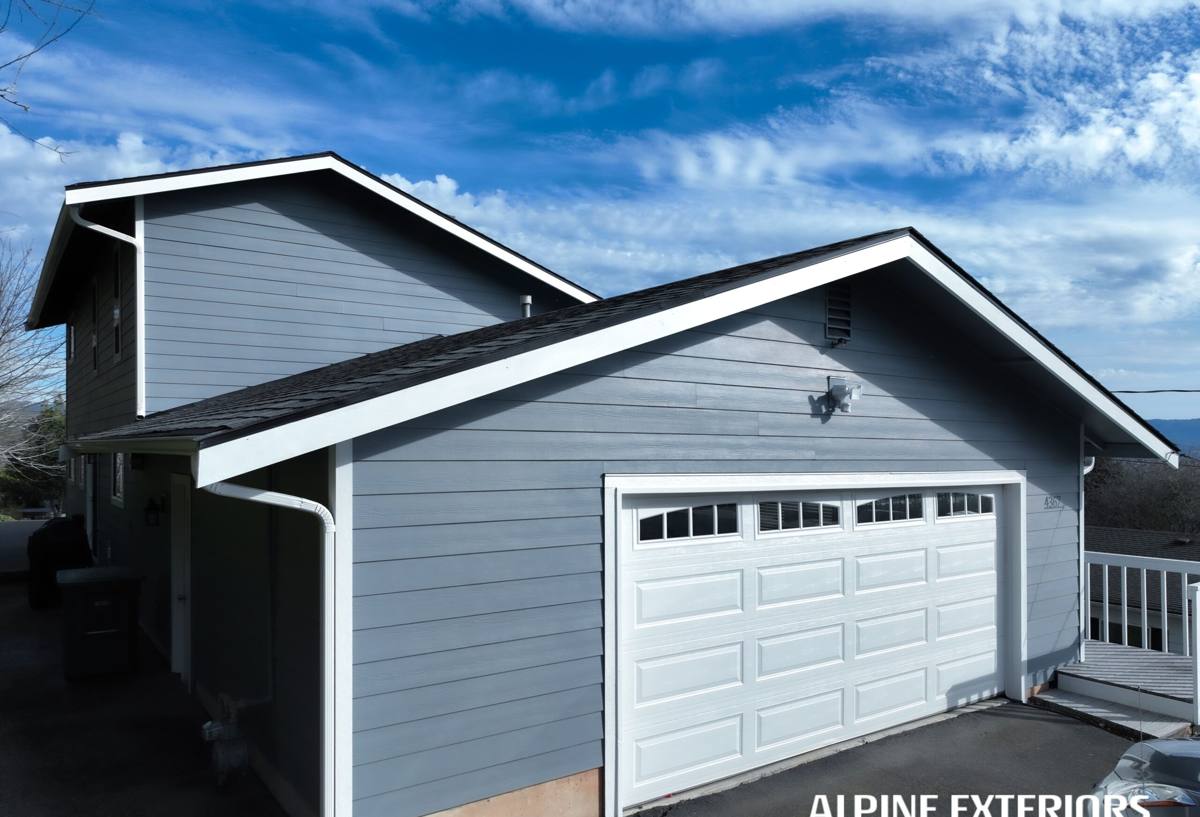
Signs a Rainier Valley Roof Needs Replacement, Not Just Repair
Homeowners often ask us to patch a leak, and sometimes a patch really is the right call. Other times the leak is one visible symptom of a roof that's failed more broadly. A few signs tend to point toward replacement rather than repair:
Age and Material Condition
Asphalt composition roofs in this climate commonly reach 20 to 25 years before granule loss and brittle shingles outpace what spot repairs can fix. If your roof is in that range and you're already calling for repairs more than once a year, replacement usually costs less over time than continuing to chase leaks.
Moss and Moisture Patterns
Thick moss growth isn't just cosmetic. Moss holds water against the shingle surface, and over years that moisture works its way under tabs and into the deck. If moss has been growing back within a season or two of cleaning, that's often a sign the roof's ability to shed water and dry out has already been compromised.
Interior Warning Signs
Dark staining on ceilings or in the attic, soft spots in the roof deck, and daylight visible through the roof sheathing are all signs that repair work would be treating a symptom rather than the underlying problem.
What a Correct Roof Replacement Actually Involves
A roof replacement is more than swapping old shingles for new ones. Done correctly, it addresses everything underneath the visible surface, since that's usually where climate damage actually starts.
Full Tear-Off and Deck Inspection
We remove the existing roofing down to the deck rather than layering over old material. This lets us inspect the sheathing directly for rot, delamination, or soft spots caused by long-term moisture intrusion — problems that are invisible from above and that a re-layer would simply seal over.
Underlayment and Ice-and-Water Protection
In a climate with sustained rain and occasional freeze events, underlayment choice matters. We use synthetic underlayment across the field of the roof and self-adhering ice-and-water membrane at vulnerable points — eaves, valleys, and roof penetrations — where wind-driven rain and ice damming are most likely to force water backward under the shingles.
Flashing and Penetrations
Chimneys, skylights, plumbing vents, and wall-to-roof transitions are where most leaks originate, not the open field of the roof. Correct flashing detail at these points is what separates a roof that stays dry for decades from one that leaks within a few wet seasons.
Ventilation
A roof deck that can't breathe traps moisture from inside the home against the underside of the sheathing, which accelerates rot from the inside out — independent of anything happening on the exterior surface. Balanced intake and exhaust ventilation is part of a correct replacement, not an optional upgrade.
Choosing a Roofing Material for This Climate
There's no single "best" roofing material — the right choice depends on budget, how long you plan to stay in the home, and how much maintenance you're willing to keep up with. Here's how the common options compare for a shaded, moss-prone, rain-heavy property like most in Rainier Valley.
| Material | Typical Lifespan | How It Handles Moss and Moisture | Considerations |
|---|---|---|---|
| Architectural asphalt shingles | 20-30 years | Moderate — algae-resistant granules help, but shaded areas still need periodic cleaning | Best balance of upfront cost and performance; widest range of styles |
| Standing seam metal | 40-60 years | Excellent — smooth surface sheds water and resists moss better than any shingle | Higher upfront cost; salt air requires quality coated panels and fasteners |
| Cedar shake | 20-30 years with upkeep | Poor in heavy shade without regular treatment and cleaning | We're honest with clients that shaded, damp lots are the hardest environment for wood roofing to hold up in long term |
| Synthetic/composite shingle | 30-50 years | Good — resists moisture absorption better than wood | Higher material cost than asphalt; mimics wood or slate appearance |
For most Rainier Valley homes, architectural asphalt shingles remain the practical choice — they're proven in this climate, budget-friendly, and easy to source matching repair material years down the road. Metal is worth serious consideration on steeply pitched or heavily shaded roofs where moss and moisture are a recurring fight.
Our Roof Replacement Process
- On-site inspection and estimate — we walk the roof (or use a drone where pitch or access makes that safer), check the attic for ventilation and moisture issues, and give you a written scope and price.
- Material selection — we go over the tradeoffs for your specific roof, not a generic recommendation, factoring in shade, pitch, and how the home is oriented.
- Scheduling around weather — in a climate with unpredictable rain windows, we plan tear-off in stages so your home is never left exposed to open sky.
- Tear-off and deck repair — old material removed, deck inspected, any damaged sheathing replaced before anything new goes down.
- Underlayment, flashing, and ventilation installed — the parts of the job that determine whether the roof performs in year one and year fifteen.
- Final material installation and cleanup — including a magnetic sweep for nails and full site cleanup before we consider the job done.
Moss Prevention and Long-Term Maintenance
A new roof still needs a maintenance plan in this climate, especially under tree cover. We recommend gutter cleaning at least twice a year, keeping overhanging branches trimmed back to reduce shade and debris buildup, and a moss treatment or gentle cleaning on a schedule appropriate to the material — done incorrectly, aggressive pressure washing can strip granules and shorten a shingle roof's life rather than extend it. Zinc or copper strips near the ridge can also help suppress moss regrowth on shaded slopes without chemical treatment.
Permits and Working in Seattle's King County Neighborhoods
A full roof replacement in Seattle typically requires a permit, and older homes in established neighborhoods like Rainier Valley sometimes have roof framing or venting quirks from past additions or remodels that need to be accounted for in that permitting process. We handle permit filing as part of the job so you're not left navigating that separately, and we build the schedule around inspection requirements rather than treating them as an afterthought.
Why Local Experience on This Job Matters
A crew that regularly works Rainier Valley roofs has already seen how the neighborhood's tree cover, drainage patterns, and older housing stock interact with a King County winter. That's the difference between a generic install and one that accounts for where water actually collects on a specific lot, which slopes hold moss the longest, and which older homes need extra attention to ventilation before new roofing goes on top. It also means faster response if something needs a look after a major storm, since we're not driving in from across the county.
What to Ask Before You Hire a Roofing Contractor
- Are you licensed and insured to work in Washington, and can you provide proof?
- Does the estimate include full tear-off, deck inspection, and disposal, or are those extra?
- What underlayment and ice-and-water shield will be used, and where specifically?
- Is ventilation being evaluated and addressed as part of the job, not just the visible roofing?
- What's the warranty on materials versus on your labor and workmanship?
- Will you handle the permit, and who schedules the required inspections?
A contractor who answers these clearly and in writing, before any deposit changes hands, is one worth trusting with the job.
If your roof is showing its age or you just want an honest read on whether repair or replacement makes more sense for your home, we're happy to take a look. Request a free, no-pressure estimate using the form below and we'll walk you through what we find and what it would take to fix it right.