 King County
 Siding Replacement in Renton: Built for This Climate, Not a Generic One
Renton sits in a part of King County where siding takes a real beating. Between the moisture rolling off Lake Washington, the long stretch of gray, wet months, and the salt-tinged marine air that moves through the greater Puget Sound region, exterior walls here are working harder than siding in a dry inland climate ever has to. A siding replacement in Renton isn't just a cosmetic upgrade — it's a decision about how well your home will shed water, resist rot, and hold its color for the next 20-30 years.
This page is specifically about replacing siding on homes in Renton. Not a national overview, not a generic "how siding works" article — the actual conditions this city deals with, what a correct replacement job looks like here, and why a crew that already works this area matters more than most homeowners realize until something goes wrong.
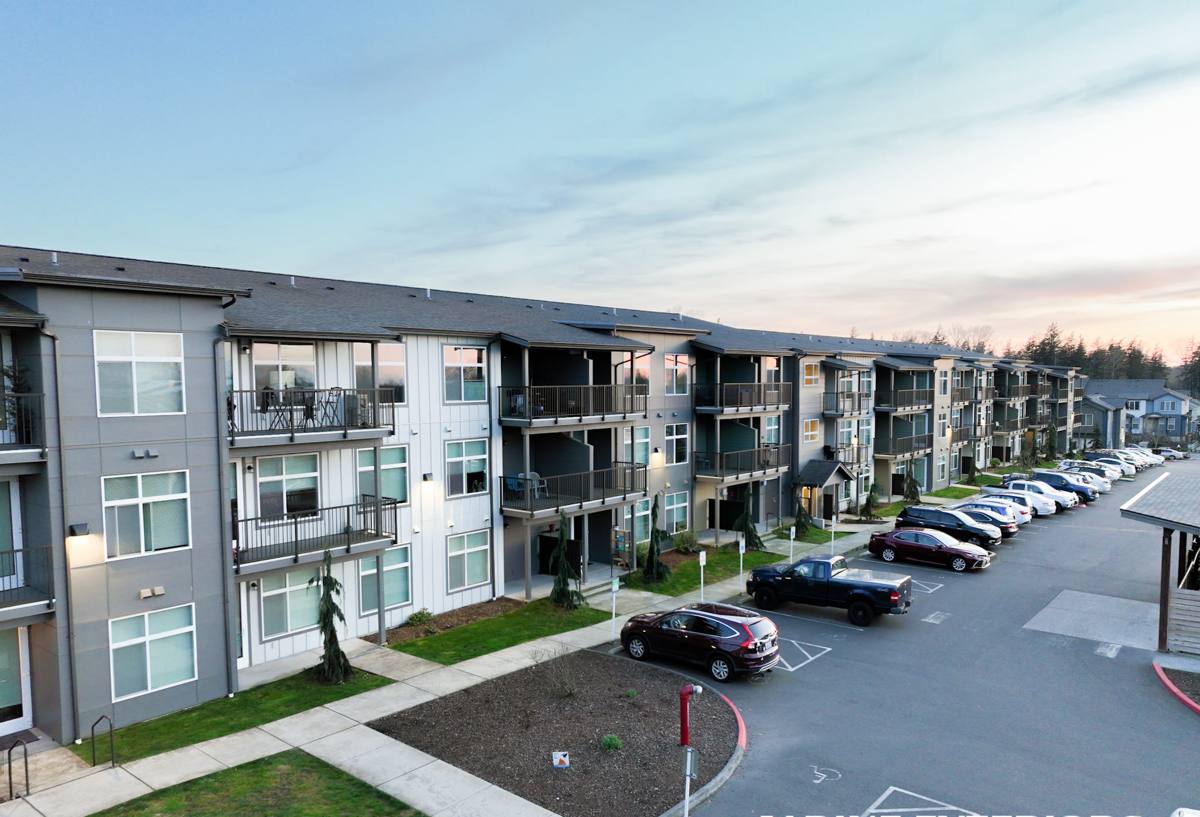
What Renton's Climate Actually Does to Siding
Driving Rain and Wind-Driven Moisture
King County doesn't just get rain — it gets sustained, wind-driven rain that hits siding at an angle for days at a stretch. That matters because siding isn't just a weather-facing surface; it's the front line of a water-management system. Every seam, joint, and butt end is a place water can find its way behind the cladding if the install wasn't done with proper flashing, house wrap integration, and drainage gaps. In a drier climate, a sloppy seam might never get tested. In Renton, it gets tested every winter.
Moss and Sustained Dampness
The long moss season in this region isn't just a roof problem. Moss and algae take hold anywhere organic-friendly material stays damp for extended periods — north-facing walls, areas shaded by trees or neighboring structures, and low clearance points near grade. Siding that absorbs moisture, or paint film that traps it underneath, gives moss exactly the surface it needs to establish itself. Once it's growing on a wall, it holds even more moisture against the surface, accelerating whatever decay process was already underway.
Salt Air and Coastal Influence
Renton's proximity to Lake Washington and the broader Puget Sound airshed means homes here deal with a mild but persistent salt-air exposure. Salt doesn't rot wood the way standing water does, but it accelerates corrosion on fasteners and trim metal, and it can degrade paint and coating systems faster than inland exposure would. Over a couple of decades, that difference shows up as chalking, fading, and finish failure well before the manufacturer's stated lifespan.
Why This Isn't a "Any Siding Will Do" Situation
A lot of siding products perform fine in mild, dry conditions and then start showing their limits once they're exposed to Renton's actual weather cycle year over year. The products that struggle most here are the ones that either absorb moisture directly (untreated wood, some engineered wood products if a seal is compromised) or rely on a factory finish that wasn't engineered for sustained damp-and-dry cycling. This is exactly why we standardized on James Hardie fiber cement for every siding replacement we install, including here in Renton — it's a non-combustible, moisture-resistant material system engineered with climate-specific product lines, and it holds up to exactly the conditions this region produces.
What a Correct Siding Replacement Actually Involves
Replacing siding is not a swap-the-panels job. Done right, it's a full reset of the wall's moisture-management system. Skipping steps here is how homeowners end up with new-looking siding hiding old problems underneath.
1. Tear-Off and Inspection
Old siding comes off in sections so the sheathing underneath can be inspected as we go — not just at a few sample spots. In a climate like Renton's, it's common to find soft or water-stained sheathing behind areas where old flashing failed or seams were left unsealed. This has to be addressed before anything new goes up.
2. Water-Resistive Barrier and Flashing
A new weather-resistant barrier gets installed correctly lapped (upper courses over lower, always shedding water downward), with proper flashing at every window, door, and penetration. This is the layer that actually keeps bulk water out — the siding itself is the second line of defense, not the only one.
3. Rainscreen / Drainage Gap
Given how much sustained moisture this region deals with, a drainage gap behind the siding — allowing incidental moisture to drain and the wall to breathe — makes a real difference in how long the assembly lasts. This is one of the details that separates a durable install from one that looks fine for a few years and then doesn't.
4. Installing the Siding to Manufacturer Spec
James Hardie fiber cement has specific fastening patterns, clearances from grade and roof lines, and caulking requirements. Installed off-spec, even the best material underperforms. Installed correctly, it's engineered to hold up to this exact climate.
5. Trim, Caulking, and Final Detailing
The finish details — corner trim, butt joint treatment, caulking at penetrations — are where a lot of long-term failures start if rushed. This is also where the mild salt-air exposure matters: fastener and trim material choices should account for it, not just the field siding.
Our Process for a Renton Siding Replacement
- On-site assessment — we look at your home's actual exposure: which walls take the most driving rain, where moss or moisture staining already shows up, and where the current siding or trim is failing.
- Honest scope and product plan — we walk you through what needs full replacement versus repair, and which James Hardie product line and profile fits your home and budget.
- Written estimate — a clear, itemized quote with no vague allowances, so you know what you're paying for before work starts.
- Tear-off and wall inspection — done in workable sections, with any sheathing or framing issues flagged and discussed before we cover them back up.
- Water barrier, flashing, and drainage detailing — installed to manufacturer spec, not shortcuts.
- Siding installation — fastened, spaced, and finished per James Hardie's published installation requirements.
- Final walkthrough — we go over the finished work with you directly.
Why a Crew That Works Renton Regularly Matters
Siding installation quality is only half the equation — the other half is judgment calls that come from familiarity with a specific area. A crew that regularly works in Renton and the surrounding King County communities already knows which wall orientations tend to hold moss, which older homes in the area commonly have specific sheathing or flashing issues from their era of construction, and how the region's rain patterns actually behave against a wall over a full year, not just during a single site visit. That local pattern-recognition shows up in better decisions on flashing details, drainage planning, and product selection — decisions that a crew unfamiliar with the region is more likely to get generically "code minimum" rather than actually right for the conditions.
Cost Factors for a Renton Siding Replacement
Every home is different, so we don't publish blanket pricing, but these are the main factors that move the number up or down on a typical siding replacement:
| Factor | Why It Matters |
|---|---|
| Home size and wall complexity | More square footage and more corners, gables, and dormers increase labor and material need |
| Extent of sheathing repair needed | Moisture damage found during tear-off adds material and labor that can't be scoped until walls are opened |
| James Hardie product line and profile | Lap siding, panel systems, and shingle-style profiles carry different material costs |
| ColorPlus factory finish vs. field paint | Factory-applied finish adds cost up front but removes a repaint cycle for years |
| Trim and accessory scope | Full trim replacement alongside siding costs more than reusing sound existing trim |
| Access and site conditions | Multi-story walls, tight lot lines, or landscaping that limits equipment access add labor time |
Signs Your Renton Home May Need Siding Replacement Soon
- Visible moss or algae growth that returns shortly after cleaning
- Soft spots, bubbling, or a "give" when you press on the siding surface
- Paint that's peeling, bubbling, or chalking well ahead of when it was last painted
- Warped, cupped, or separating boards, especially at butt joints
- Visible gaps or open seams at corners, trim, or window edges
- Rising utility bills that may point to compromised insulation behind failing siding
- Interior wall staining or musty smells on exterior-facing walls
What to Expect After Replacement
A correctly installed James Hardie siding system on a Renton home should hold its color and finish integrity for many years with minimal upkeep — no repainting cycle if you go with a ColorPlus factory finish, strong resistance to the moisture and moss conditions this region produces, and a transferable warranty backing the material itself. That's the whole reason we limit ourselves to one product system: we'd rather stand fully behind one thing we trust in this climate than offer a menu of products with different long-term outcomes.
If your Renton home's siding is showing wear, or you're planning ahead before it becomes an emergency, we're happy to take a look and give you a straight answer — no pressure, no inflated urgency. Reach out for a free estimate and we'll walk your property with you.