 King County
 Windows in Renton Take a Different Kind of Beating
Renton sits in a stretch of King County where marine air off the Sound, steady winter rain, and shoulder seasons that never really dry out all work against a home's exterior at the same time. Windows are one of the first places that shows up. A window that was installed correctly and sealed with the right materials will shrug off decades of this weather. A window that was installed fast, or sealed with the wrong products, starts failing from the inside — usually behind the trim, where you can't see it until the sill is already soft.
We install windows for homes across Renton and the surrounding King County area, and the failures we get called out for follow a pattern. It's rarely the glass. It's almost always the flashing, the sill pan, or the gap between the window frame and the rough opening where moisture found a way in and had nowhere to go.
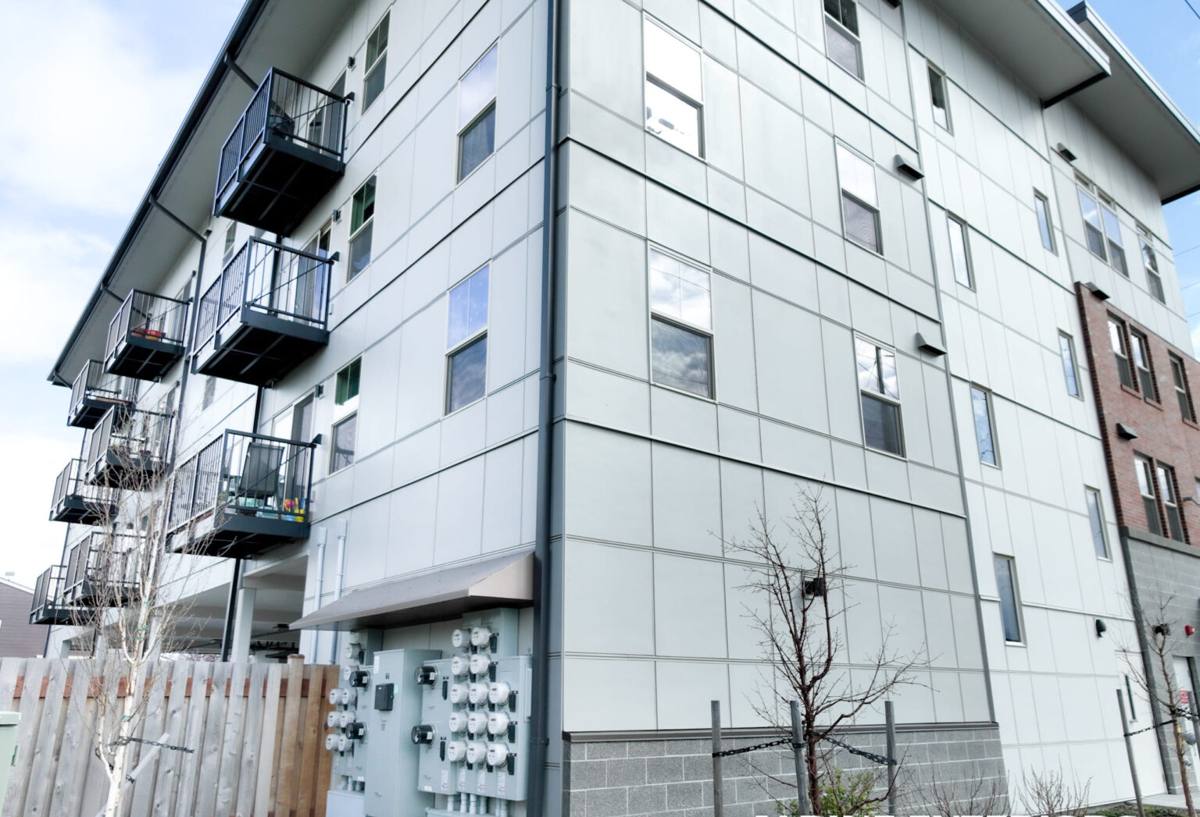
Signs a Renton Home Needs New Windows, Not Just Repairs
Not every drafty window needs full replacement, and not every old window is a lost cause. Here's what actually tells us a window has reached the end of its service life versus what's a smaller fix.
- Condensation trapped between the panes on a double-pane window — the seal has failed and the glass unit itself needs replacing, not just the frame.
- Soft or discolored wood at the sill or bottom corners, especially on the sides of the house that catch the most weather.
- Visible daylight or a noticeable draft at the frame when the window is fully latched.
- Paint that keeps bubbling or peeling at the same spot every year no matter how often it's touched up.
- Windows that are difficult to open, don't stay up on their own, or have hardware that's been painted shut or stripped out.
- A noticeable difference in room temperature or outside noise near the window compared to the rest of the house.
If you're only seeing the first signs of one or two of these, a repair or re-caulk might buy you a few more years. If you're seeing several at once, or the home still has its original single-pane or early-generation double-pane windows, replacement is usually the more honest recommendation — repairs on old sashes tend to be short-lived and end up costing more over time.
What a Correct Window Installation Actually Involves
The window unit itself is maybe half the job. The other half — the part that determines whether it lasts 20 years or 5 — is how it's tied into the wall.
Full-Frame vs. Insert Replacement
There are two basic approaches, and the right one depends on the condition of the existing frame:
- Insert (pocket) replacement — the new window is built to fit inside the existing frame, which stays in the wall. Faster and less disruptive, and appropriate when the old frame is still sound and square.
- Full-frame replacement — the old frame is removed down to the rough opening, exposing the sheathing and framing underneath. This is the right call whenever there's any sign of water damage, rot, or an out-of-square opening, because it's the only way to actually inspect and fix what's behind the window.
We won't recommend an insert replacement over a frame that's already showing water damage just because it's the quicker job. Sealing a new window over a rotten frame doesn't fix anything — it just hides it for a while.
The Details That Matter in This Climate
In a wetter climate, the sequence and materials around the window matter as much as the window itself:
- Sill pan flashing at the bottom of the opening, so any water that does get past the window has a path back outside instead of soaking into the framing.
- Proper flashing tape sequencing — sides and top integrated with the sill pan and the home's existing weather-resistive barrier, shingled correctly so water is always directed down and out.
- Backer rod and quality exterior sealant at the trim joints, not just a bead of caulk over a gap.
- Shimming the unit level and square before fastening, so the sashes operate correctly and don't bind or leave uneven gaps for years to come.
Our Renton Installation Process
- On-site assessment. We look at each opening individually — a home doesn't get one blanket answer, because the south and west-facing walls that take the most weather often need more attention than sheltered sides.
- Measurement and product selection. We measure for either insert or full-frame installation and go over material, style, and performance options based on that specific opening.
- Removal. Old windows and, where needed, surrounding trim and sheathing are removed carefully to check the condition of the framing before anything new goes in.
- Repair if needed. Any soft framing, rot, or missing flashing gets addressed before the new window goes in — not covered over.
- Flashing and installation. Sill pan, flashing tape, and the window unit go in per manufacturer instructions and standard building practice for this climate.
- Sealing and trim. Interior and exterior sealing, trim, and finish work to match the rest of the home.
- Walkthrough. We check operation on every window before we consider the job done — smooth open and close, solid latch, no gaps.
Choosing Materials for a King County Home
There's no single "best" window material — it depends on the home's age, budget, and how much upkeep the homeowner wants to take on. Here's how the common options compare for this climate specifically.
| Material | How It Handles Our Climate | Upkeep |
|---|---|---|
| Vinyl | Good moisture resistance, no painting needed, performs well in damp conditions | Low — occasional cleaning |
| Fiberglass | Very stable in temperature swings and damp air, holds paint well if a custom color is wanted | Low |
| Wood | Classic look, but exposed exterior wood is the most vulnerable material to our rain and moss-prone conditions | High — regular painting/sealing required |
| Wood-clad (wood interior, aluminum or vinyl exterior) | Combines interior wood look with a weather-resistant exterior shell | Moderate |
| Aluminum | Durable but conducts heat/cold and is prone to condensation without a thermal break | Low, but performance-dependent on design |
For most Renton homes, we steer clients toward vinyl or fiberglass for exterior-exposed windows, simply because they don't require ongoing paint maintenance and hold up better through repeated wet-dry cycles. That's not a knock on wood — it's a genuinely good-looking material — it's an honest tradeoff between appearance and how much upkeep you're signing up for on the sides of the house that take the worst weather.
Glass and Performance Ratings
Every window sold today should carry an NFRC label with a few numbers worth actually reading:
- U-factor — lower is better for insulation; this matters more here than in drier, sunnier climates.
- SHGC (Solar Heat Gain Coefficient) — less critical in our cloudier climate than in a sun-heavy region, but still worth balancing on south and west exposures.
- Double vs. triple pane — double-pane with a quality low-E coating is standard and sufficient for most homes here; triple-pane adds cost and weight with a smaller performance jump in this climate than in colder regions.
What Drives the Cost of a Window Installation
Every home is different, but the same handful of factors move the price up or down on most jobs.
| Factor | Why It Matters |
|---|---|
| Insert vs. full-frame replacement | Full-frame costs more but is necessary when there's water damage or an out-of-square opening |
| Window material | Vinyl is typically the most budget-friendly; fiberglass and wood-clad cost more upfront |
| Number and size of openings | Larger openings and specialty shapes (bay, arched, oversized) take more time and material |
| Condition of existing framing | Rot or water damage found during removal adds repair scope before installation can proceed |
| Access and site conditions | Second-story or hard-to-reach windows take longer and may require additional equipment |
We give a straight number after we've actually looked at the openings — not before. A phone quote on windows is close to meaningless until someone has seen what's behind the trim.
Why It's Worth Hiring a Crew That Already Works Renton
A window installer who works this specific part of King County regularly has already seen how homes in this area age. That means knowing which eras of Renton housing stock tend to have particular framing quirks, which sides of a house typically take the worst weather exposure, and what the local permitting process actually requires before a crew shows up — not learning it on your job. It also means being available for a warranty callback without having to schedule a trip across the region. Window installation is one of those trades where the fine details — the flashing sequence, the sealant choice, the fastening pattern — are invisible once the trim goes back on, so the contractor's judgment on those details is really what you're paying for.
Keeping New Windows Performing Long-Term
A correctly installed window still needs a small amount of homeowner attention to get its full lifespan out of it in this climate:
- Rinse pollen, dust, and moss spores off frames and tracks a couple of times a year — moss and algae growth on nearby siding or trim can migrate onto window surfaces if left unchecked.
- Check exterior caulk lines annually, especially after the first year as materials settle, and touch up any cracked or separated sealant before winter rains set in.
- Keep gutters and downspouts clear so runoff isn't sheeting down across upper windows.
- Operate each window a few times through the year, even ones you don't use often, so hardware doesn't seize up.
- Watch for any soft trim or bubbling paint at the sill — catching it early is a caulk job; catching it late is a repair job.
Get a Straightforward Estimate
If you're weighing whether your windows need a repair, a few replacements, or a full home update, we're happy to take a look and give you a clear, no-pressure answer — not a sales pitch. Use the form below to request a free estimate for your Renton home.