 King County
 Rainier Valley sits in a part of King County where roofs earn their keep. Between the long stretch of wet months, the moss that creeps across north-facing slopes, and the salt-tinged air drifting up from the Sound, a roof here ages differently than one in a drier climate. Most of the repair calls we run in this neighborhood trace back to the same handful of culprits, and most of them are preventable if they're caught early. This page covers what actually goes wrong with Rainier Valley roofs, what a correct repair looks like, and how we handle the work.
Why Roofs in Rainier Valley Wear Differently
King County's climate doesn't destroy roofs quickly — it wears them down slowly, in ways that are easy to miss from the ground. Three factors matter most for this neighborhood.
Driving Rain
Rainier Valley doesn't just get a lot of rain — it gets wind-driven rain that hits roof planes at an angle instead of falling straight down. That matters because a roofing system built for vertical rainfall can still leak under horizontal or angled rain if flashing, laps, and fastener patterns aren't installed with that in mind. Valleys, chimney flashing, and the transitions where a roof meets a wall or dormer are where this shows up first.
A Long Moss Season
Shade, moisture, and mild temperatures are exactly what moss needs, and Rainier Valley's tree cover combined with our long wet season gives moss months to establish itself on north- and east-facing slopes. Moss isn't just cosmetic. It holds water against the roofing material, works its way under shingle tabs and shakes, and over time lifts material enough to open a path for water. Left alone through multiple wet seasons, a moss mat that started as a thin green film can turn into a real repair job.
Salt Air and Metal Fatigue
Homes closer to Puget Sound deal with a slow, steady exposure to salt-laden air that accelerates corrosion on exposed metal — flashing, fasteners, gutter hardware, and any exposed roofing accessories. Corroded flashing is one of the most common hidden causes of a "mystery leak," because the roofing material above it can look fine while the metal underneath has already failed.
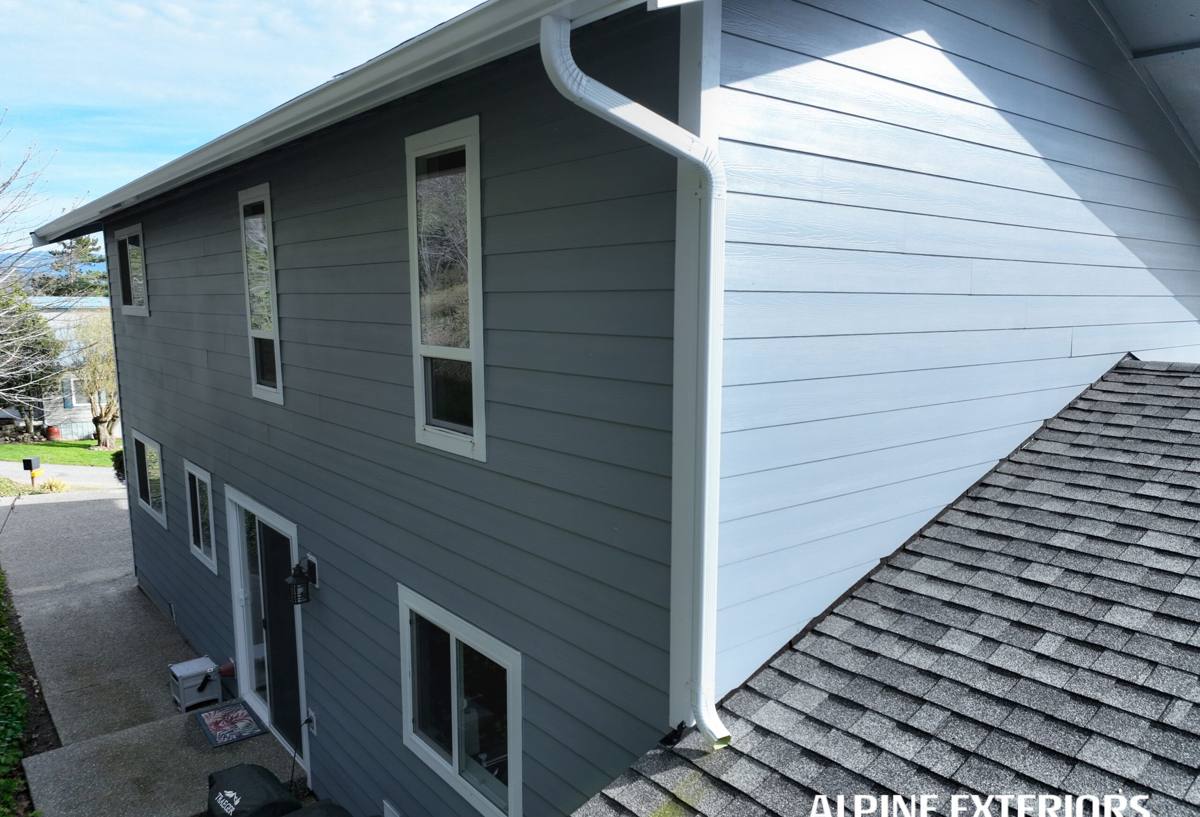
Signs a Rainier Valley Roof Needs Repair
Most roof problems give warning signs well before they become emergencies. Here's what we tell homeowners in this area to watch for:
- Dark streaking or a thickening green carpet of moss, especially on shaded slopes
- Granules collecting in gutters or at downspout outlets (a sign of shingle wear)
- Water stains on interior ceilings, especially near chimneys, skylights, or where two roof planes meet
- Curling, cupping, or lifted shingle edges after a windy stretch of weather
- Rust streaks below metal flashing or exposed fasteners
- Daylight visible through the roof deck from inside the attic
- Sagging in the roofline or soft spots underfoot when walked (viewed from a ladder, not by walking the roof yourself)
- Debris buildup in valleys that holds water instead of shedding it
Any one of these on its own doesn't mean a full replacement is coming. It usually means it's time for a closer look before the next wet season adds to the damage.
Common Repair Types We Handle in Rainier Valley
The specific repair depends on the roofing material and where the damage sits, but a few categories cover most of the calls we get in this neighborhood.
| Repair Type | Typical Cause | What's Involved |
|---|---|---|
| Flashing repair or replacement | Corrosion, poor original installation, or age at chimneys, skylights, and wall transitions | Removing failed metal, resealing the transition, and reinstalling with proper laps |
| Moss and debris removal | Shade, long wet seasons, tree cover common to Rainier Valley lots | Careful mechanical removal, treatment, and inspection of the material underneath for lifted or damaged sections |
| Shingle or shake replacement | Wind uplift, granule loss, age-related brittleness | Removing and replacing individual damaged pieces, matching surrounding material as closely as possible |
| Valley and seam repair | Debris buildup, driving rain forcing water sideways under material | Clearing the valley, checking underlayment, resealing or reworking the seam |
| Fastener and gutter hardware repair | Salt-air corrosion loosening or weakening exposed metal | Replacing corroded fasteners and hardware with corrosion-resistant materials |
What a Correct Repair Actually Involves
A roof repair that only patches the visible symptom tends to fail again within a season or two. A repair done right addresses what's underneath, not just what's on top.
Find the Real Source
Water travels. A stain on a ceiling in one room can trace back to a flashing failure several feet away, so the first step is always tracing the leak to its actual origin rather than patching the spot directly above the stain.
Check What's Underneath
Once we're at the source, we check the underlayment and roof deck for moisture damage or soft spots. A shingle or flashing repair over a compromised deck won't hold — the deck has to be sound, or repaired itself, before the surface layer goes back on.
Match the Repair to the Roofing System
Composition shingle, cedar shake, and metal roofing all repair differently, and mixing techniques or materials between systems is a common source of repeat failures. We repair using materials and methods appropriate to what's already on the roof, and we're upfront if a repair isn't a good long-term fit for the roof's condition.
Reseal and Reinforce Transitions
Given how much of Rainier Valley's roof damage starts at flashing, valleys, and wall transitions, we pay particular attention to those areas on every repair, not just the specific section that failed. It's a lot cheaper to reinforce a marginal flashing detail during a repair visit than to come back out for it next winter.
Our Roof Repair Process
- Inspection. We look at the roof from the ground, the attic (if accessible), and up close, and we identify every likely source of the problem, not just the one you called about.
- Honest assessment. We tell you what we found, what it means for the roof's remaining life, and whether a repair is the right call or whether you're better served putting that money toward a future replacement.
- Written scope. Before any work starts, you know what's being repaired, with what materials, and why.
- The repair. We do the work to match the existing system, clean up debris and moss as part of the job, and check adjacent areas that see the same exposure.
- Follow-up. We tell you what to watch for afterward and what routine maintenance — gutter clearing, moss treatment — will help the repair hold.
Repair or Replace? How We Help You Decide
Not every roof problem in Rainier Valley needs a full replacement, and not every roof is a good candidate for another round of patching. We walk homeowners through the tradeoffs honestly rather than defaulting to whichever job is bigger.
| Factor | Leans Toward Repair | Leans Toward Replacement |
|---|---|---|
| Age of roofing material | Well within its expected service life | At or past the material's typical lifespan |
| Extent of damage | Isolated to one area or system (flashing, one section) | Widespread across multiple slopes or systems |
| Deck condition | Solid, no rot or soft spots found | Moisture damage or soft decking in multiple areas |
| Repair history | First repair, or first in several years | Same area repaired more than once already |
| Budget and timeline | Need a durable fix now, replacement planned later | Ready to invest in a longer-term solution |
Repair costs vary widely depending on what's actually wrong — a single flashing or valley repair is a modest job, while a roof with widespread moss damage or multiple failed sections can run into the low thousands. We give you a real number after we've actually looked at the roof, not a phone estimate.
Why It Matters to Hire a Crew That Already Works Rainier Valley
Roofing crews that work across a wide swath of King County without much focus on any one area tend to treat every job the same way. A crew that regularly works Rainier Valley has already seen how this neighborhood's specific mix of tree cover, roof pitches, and exposure to weather off the Sound plays out on real roofs over multiple wet seasons. That translates into a few practical advantages:
- Faster, more accurate diagnosis because the failure patterns are already familiar
- Realistic expectations about how long a repair will hold given local moss and rain exposure
- Scheduling that accounts for King County's wet-season demand rather than treating every job as first-come
- Material choices informed by what actually holds up locally, not just manufacturer marketing
We're not interested in overselling a replacement when a repair will genuinely do the job, or underselling a repair on a roof that's clearly past the point of patching. Our reputation in this area depends on giving straight answers.
Maintenance That Extends a Repair's Life
A good repair buys time, but the same conditions that caused the original problem are still at work on the rest of the roof. A little routine maintenance goes a long way in this climate:
- Clear gutters and valleys at least twice a year, more often under heavy tree cover
- Treat moss on shaded slopes before it builds into a thick mat
- Trim back branches that keep roof sections shaded and damp
- Have flashing and exposed metal checked periodically for early corrosion, especially on homes closer to the Sound
- Schedule a roof check after any major windstorm, even if nothing looks obviously wrong from the ground
If you're seeing moss buildup, a stain on a ceiling, or you just want a straight answer on your roof's condition before the next wet season sets in, we're glad to take a look. Reach out for a free, no-pressure estimate — the form below gets you on our schedule.