 King County
 Roof Replacement in Redmond: Built for the Way It Rains Here
Redmond sits in one of the wetter, greener corners of King County, and that reality shapes everything about how a roof should be built here. Homes go months at a time under a low, gray sky with steady drizzle instead of hard storms — but that steady moisture, combined with the shade from mature Douglas fir and cedar canopy in a lot of Redmond neighborhoods, creates ideal conditions for moss, moisture retention, and slow, hidden decay. A roof that was installed correctly for a drier climate somewhere else often fails early here, not because the materials were bad, but because the details that matter in the Pacific Northwest — underlayment, ventilation, flashing, and moss resistance — were treated as afterthoughts.
When we talk about roof replacement in Redmond, we're not just talking about tearing off old shingles and nailing down new ones. We're talking about correcting the small things that let water and moisture win over time, so the next roof actually lasts through its full expected life instead of needing patchwork by year eight or ten.
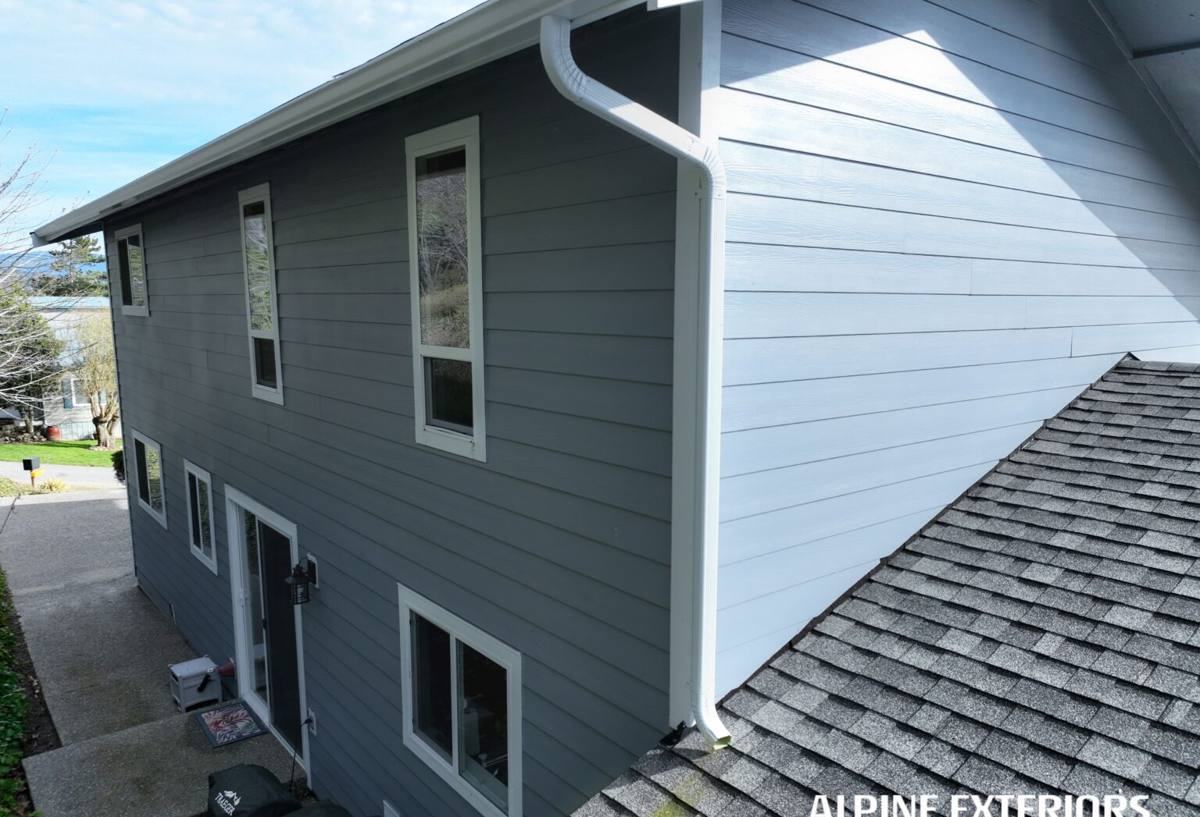
How King County's Climate Wears Down a Roof
Western Washington roofs deal with a specific combination of stressors that's different from almost anywhere else in the country:
- Driving rain over long durations. It's not the intensity of a single storm that causes damage here — it's weeks of sustained moisture finding every gap in flashing, every under-driven nail, and every seam that wasn't sealed correctly the first time.
- A long moss and algae season. Shaded, moisture-holding roof sections — north slopes, valleys, areas under overhanging trees — can stay damp for days after a storm. That's exactly what moss needs to establish, and once it takes hold it lifts shingle edges and holds water against the roof deck.
- Marine-influenced, humid air. The broader Puget Sound region's marine air layer keeps humidity elevated even between rain events, which slows drying time for roofing materials and the wood framing underneath them.
- Temperature swings between summer heat and winter cold. Attics that aren't properly vented cook in summer and trap condensation in winter, both of which shorten the life of roofing materials from underneath.
None of these factors is dramatic on its own. The problem is that they're constant and cumulative. A roof in Redmond isn't fighting one bad storm — it's fighting years of low-grade moisture pressure, and that's a different design problem than roofing in a dry climate.
Signs a Redmond Home Needs Roof Replacement, Not Another Repair
Not every roofing issue calls for full replacement, and we'll always tell you honestly when a repair is the right call. But there are signs that point toward the roof being past the point where patching makes sense:
- Granule loss heavy enough that you're finding grit in gutters and downspouts every season
- Shingles that are cupping, curling, or cracking, especially on south- and west-facing slopes
- Moss establishing in the same spots year after year despite cleaning
- Soft spots or sagging visible from the ground or in the attic decking
- Daylight visible through the roof deck from inside the attic
- Recurring leaks in different locations, suggesting the underlayment has failed broadly rather than in one spot
- A roof approaching or past the manufacturer's expected service life for its material and installation conditions
If a roof is showing two or more of these signs, replacement is usually the more honest and more cost-effective recommendation than continuing to chase leaks one at a time.
What a Correct Roof Replacement Actually Involves
Full Tear-Off, Not Overlay
We remove the existing roofing down to the deck rather than layering new shingles over old ones. Overlaying hides problems — soft decking, old leaks, poor original ventilation — instead of fixing them, and it voids most manufacturer warranties. A tear-off is the only way to actually inspect the deck and framing underneath.
Deck Inspection and Repair
Once the old roofing is off, we check the sheathing for soft spots, delamination, or rot, particularly around valleys, chimneys, and skylights where water tends to concentrate. Any compromised decking gets replaced before anything new goes down — installing new roofing over a weak deck just resets the clock on the same failure.
Moisture Barrier and Underlayment
In a climate like ours, the underlayment matters as much as the shingle itself. We use ice-and-water shield membrane at eaves, valleys, and penetrations — the spots where wind-driven rain and ice damming are most likely to force water backward under the shingles — and synthetic underlayment across the rest of the deck for consistent moisture protection.
Flashing Done Right
Flashing around chimneys, skylights, dormers, and sidewalls is where most roof leaks actually start, not in the open field of shingles. We install new step flashing, counterflashing, and valley metal rather than reusing old pieces, since flashing is inexpensive compared to the water damage a failed piece causes.
Ventilation
Proper intake and exhaust ventilation keeps the attic temperature and humidity balanced, which protects both the new roofing from underneath and the wood framing from condensation damage. We evaluate existing ventilation as part of every replacement and correct it where it's inadequate — this is one of the most commonly skipped steps in lower-cost roof jobs.
Moss-Resistant Details
Where a home has shaded slopes prone to moss, we discuss options like zinc or copper strips near the ridge, which release ions that inhibit moss growth as rain washes over them, and we make sure valleys and low-slope transitions are built to shed water quickly rather than holding it.
Choosing a Roofing Material for a Redmond Home
Material choice should be driven by your home's exposure, your roof's slope and shading, and how much long-term maintenance you want to take on — not just upfront price. Here's an honest comparison of the main options we install:
| Material | Typical Lifespan | Moss & Moisture Behavior | Maintenance | Best Fit |
|---|---|---|---|---|
| Architectural asphalt shingle | 25–30 years | Good with proper underlayment and ventilation; algae-resistant granule options available | Low to moderate | Most Redmond homes; strong value and wide style/color range |
| Standing seam metal | 40–60 years | Sheds water and moss very well due to smooth, steep-shedding surface | Low | Homes wanting long-term durability and minimal upkeep |
| Cedar shake | 20–30 years with upkeep | Attractive but holds moisture; needs regular treatment to resist rot and moss in our climate | High | Homeowners committed to ongoing maintenance for a specific look |
| Synthetic composite shake/slate | 40–50 years | Very good; resists moisture absorption better than natural wood | Low | Homeowners who want the cedar or slate look without the maintenance burden |
We don't push one product for every home. A heavily shaded roof with a history of moss problems is a different conversation than a sun-exposed, steep-pitch roof with good airflow — we'll walk your specific roof with you and explain the trade-offs before you decide.
What Drives the Cost of a Roof Replacement
Roof replacement pricing varies by home, and we'll give you a firm number after an on-site inspection rather than a rough guess over the phone. That said, the main factors that move the price up or down are consistent:
| Factor | Why It Matters |
|---|---|
| Roof size and number of slopes | More square footage and more complex geometry mean more material and labor hours |
| Pitch and accessibility | Steep or hard-to-access roofs require more safety setup and slow down the work |
| Number of layers to remove | Tearing off multiple layers of old roofing adds labor and disposal cost |
| Deck condition | Rotten or soft sheathing found during tear-off needs replacement before new roofing goes down |
| Material selected | Asphalt, metal, and composite products have different material costs per square |
| Ventilation and flashing corrections | Bringing older, undersized ventilation systems up to proper standards adds material and labor |
Be cautious of bids that come in dramatically lower than others without explanation — it usually means underlayment, flashing, or ventilation upgrades are being skipped, which shows up as leaks a few years down the road rather than savings.
Why Local Experience in Redmond Matters
Roofing code requirements, permitting, and inspection expectations vary by jurisdiction across King County, and a crew that regularly works in Redmond already knows the local permitting process and what inspectors look for. Just as important, a local crew has seen how roofs in this specific area actually fail — which slopes hold moss longest, which older neighborhoods tend to have undersized original ventilation, and which shaded lots need extra attention to valley and eave detailing. That experience shows up in fewer surprises during the job and a roof that's built for the conditions it will actually face, not a generic install.
Working with a crew based in the region also means faster response if something needs a look after the job is done, rather than waiting on a company that has to travel in from out of the area.
What to Expect From Our Process
- On-site inspection. We walk the roof (or use appropriate access methods for steep or fragile roofs) and check the attic from inside, looking at deck condition, ventilation, and problem areas.
- Written estimate. You get a clear scope of work and price, including what material we recommend and why, with no vague allowances.
- Scheduling and material order. We confirm timing around weather windows, since a proper tear-off shouldn't sit exposed to rain overnight.
- Tear-off and deck inspection. Old roofing comes off, the deck is inspected, and any needed repairs are addressed before moving forward.
- Underlayment, flashing, and ventilation installation. The moisture-management layer goes in correctly before a single new shingle is installed.
- New roofing installation. Materials go down to manufacturer specifications, which is what keeps warranties valid.
- Final walkthrough and cleanup. We review the finished roof with you, cover warranty details, and make sure the property is cleared of debris and old material.
A Homeowner's Checklist Before Committing to a Roof Replacement
- Get a written scope of work, not just a price — you should know exactly what underlayment, flashing, and ventilation work is included
- Confirm the contractor is licensed and insured for work in Washington, and ask to see current coverage
- Ask what happens to your existing roof layers during tear-off and how deck repairs (if needed) are priced
- Understand the manufacturer's warranty terms and what installation requirements must be met to keep it valid
- Ask how the crew plans around weather, since an exposed deck during a rain event can cause more damage than the roof problem you started with
- Get the payment schedule in writing before work begins
Maintaining a New Roof in Redmond's Climate
A correctly installed roof still benefits from basic upkeep in this climate. Keeping gutters clear so water doesn't back up under the eaves, having moss growth addressed early before it lifts shingles, and getting an occasional visual check after major windstorms will meaningfully extend the life of the investment. We're happy to point out what to watch for on your specific roof once the work is done, so you know what's normal wear and what warrants a call.
Ready to Talk About Your Roof?
If your roof is showing wear, holding moss, or just getting close to the end of its expected life, we'll come take an honest look and give you a straightforward estimate — no pressure, no scare tactics, just what we see and what we'd recommend. Use the form below to request a free estimate for your Redmond property.