 King County
 Deck Building in Sammamish: Designed for How This Area Actually Weathers
Sammamish decks live under a lot of tree canopy, next to a large lake, and inside one of the wetter, greyer stretches of King County's calendar. That combination means a deck here isn't just a place to put a grill and some chairs — it's a structure that has to shed water efficiently, resist moss and mildew for most of the year, and stand up to the freeze-thaw swings that show up on the region's colder mornings. A deck built the way it might be built in a dry climate will show problems in Sammamish within a couple of seasons: soft spots at the ledger board, black streaking on the boards, and moss creeping into every joint that doesn't drain.
We build and repair decks for homeowners across Sammamish and the surrounding King County area, and this page is about that one job, done right, for this one place — not a generic overview of decking in general.
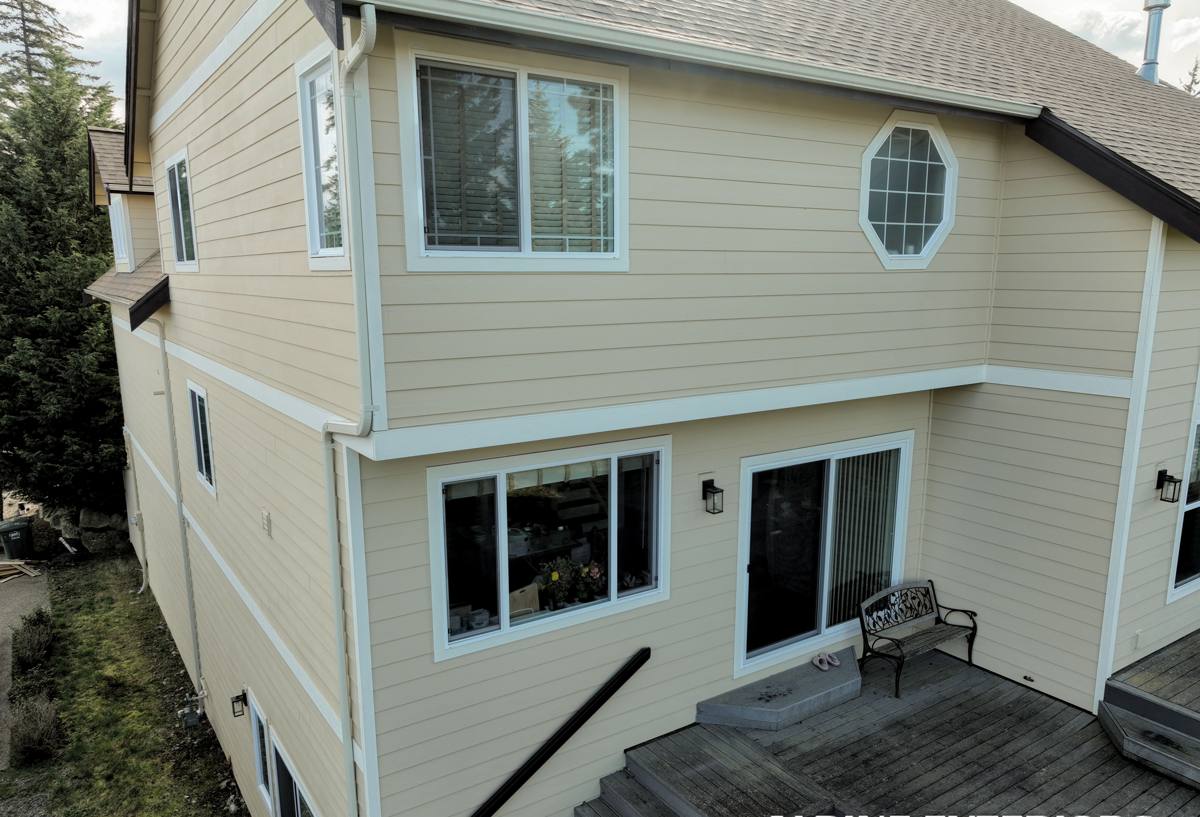
What Sammamish's Climate Actually Does to a Deck
Moisture and Shade
Many Sammamish lots sit under mature fir and maple cover, which is part of the area's appeal, but it also means decks get less direct sun and more standing dampness than a deck out in the open. Wet leaves and needles collect in board gaps and around posts, and if there isn't enough airflow underneath and between boards, that moisture just sits there. Over a season or two, that's what turns into soft, spongy wood and premature graying or blackening on the surface.
Moss Season
King County's long stretch of overcast, damp months is effectively a moss incubator. Moss doesn't just look bad — it holds water against the deck surface and framing, and it makes boards slick and genuinely unsafe underfoot, especially on stairs. A deck with poor drainage, tight board spacing, or the wrong finish will grow moss faster and thicker than one built with airflow and drainage in mind from the start.
Freeze-Thaw Cycling
Sammamish doesn't get deep winters, but it does get repeated cycles of near-freezing nights and wet days. Water that gets into a crack, a fastener hole, or an unsealed cut edge can freeze, expand, and widen that opening, which lets in more water next time. Small imperfections compound over a few winters if they aren't addressed at construction time.
What a Correctly Built Deck Involves
A deck that holds up in this climate isn't about using thicker lumber — it's about a handful of details done consistently, most of which aren't visible once the project is finished.
- Ledger flashing: Where the deck attaches to the house, proper flashing (not just caulk) keeps water from tracking behind the siding and into the wall framing — one of the most common sources of hidden rot we find on older Sammamish decks.
- Footings sized for our soils: King County's clay-heavy and often uneven soils need footings poured to the correct depth and diameter for the load and frost conditions, not a one-size-fits-all approach.
- Joist spacing and blocking: Proper spacing keeps the deck from feeling bouncy and gives fasteners enough bite; blocking at board ends prevents warping over time.
- Board gapping for drainage: Correct spacing between boards lets water and debris pass through instead of pooling, which is one of the single biggest factors in how fast moss and staining show up.
- Fastener choice: Coated or stainless fasteners matched to the decking material prevent the staining and corrosion that plain fasteners develop quickly in our humidity.
- Post bases that keep wood off concrete: Post bases with a standoff keep the post end from sitting in standing water, which is where rot most often starts.
Choosing a Decking Material for This Climate
There isn't one universally "best" material — there's a best material for your budget, your maintenance appetite, and how much shade and moisture your particular lot deals with. Here's how the common options actually compare for a Sammamish property.
| Material | Moisture & Moss Behavior | Maintenance | Typical Lifespan Here |
|---|---|---|---|
| Cedar | Naturally rot-resistant but still needs sealing to shed water in shaded areas | Re-stain/seal every 1-2 years | 15-20 years with upkeep |
| Pressure-treated fir/pine | Needs consistent sealing; shaded spots hold moisture longer | Seal annually, watch for checking and warping | 10-15 years with upkeep |
| Composite decking | Sheds water well, resists rot, but can still develop surface mildew in deep shade if not cleaned | Occasional wash, no sealing/staining | 25-30+ years, backed by manufacturer warranty |
| PVC decking | Fully synthetic, best moisture and moss resistance of the common options | Occasional wash | 25-30+ years, backed by manufacturer warranty |
For heavily shaded, tree-covered lots — common in Sammamish — we're generally honest with clients that composite or PVC decking earns its higher upfront cost back in avoided maintenance, because natural wood in constant shade requires real discipline to keep sealed. That said, plenty of Sammamish homeowners want the look and feel of real wood and are willing to keep up a sealing schedule, and that's a completely reasonable choice too — it's a trade-off, not a right-or-wrong answer.
Permits, Guardrails, and Local Code
Most new decks and significant rebuilds in King County jurisdictions require a permit, particularly once you're above a certain height off grade or attaching structurally to the house. Guardrail height, baluster spacing, and stair rise/run all have code requirements that inspectors check closely, and setback rules can affect how close a deck can come to a property line, especially on the smaller or more irregular lots found in parts of Sammamish. We handle the permit submission and design the deck to pass inspection the first time, rather than leaving that discovery process to the homeowner.
Our Process
1. On-Site Assessment
We walk the site, look at drainage patterns, sun/shade exposure, existing structure (if it's a rebuild), and how the deck will actually be used — entertaining, grilling, hot tub, direct yard access.
2. Design and Material Selection
We talk through material trade-offs honestly based on your specific lot conditions rather than pushing one product line, and provide a clear scope before any work begins.
3. Permitting
We prepare and submit what the jurisdiction requires and schedule inspections at the right points in the build.
4. Construction
Footings, framing, flashing, decking, and railings are installed in sequence with the drainage and fastening details above built in from the start, not added afterward.
5. Final Walkthrough
We review the finished deck with you, cover basic care for the material you chose, and make sure any punch-list items are handled before we consider the job done.
Keeping a Sammamish Deck in Good Shape Year-Round
Whatever material a deck is built from, a little seasonal attention goes a long way in this climate. Homeowners who stay ahead of these basics get noticeably more years out of their deck before major repair is needed.
- Sweep leaves and needles out of board gaps regularly during fall, when they accumulate fastest
- Rinse or lightly scrub moss growth before it gets a foothold, rather than after it's established
- Check and clear any drainage points or gaps under the deck each spring
- Inspect ledger flashing and any spots where the deck meets the house for gaps or staining
- Reseal wood decking on the schedule appropriate to the product — don't wait until it looks dry and gray
- Look over railings and stair connections for movement or loose fasteners once a year
New Build vs. Repair or Rebuild
Not every aging deck needs to be torn out. If the framing and footings are structurally sound and the problems are limited to surface wear, decking replacement alone can be the right call. But if we find rot at the ledger connection, undersized or deteriorated footings, or framing that was never properly flashed, patching the surface just hides the real issue for a year or two before it resurfaces. Part of our job is telling you honestly which situation you're in before we quote anything, so you're not paying for cosmetic work over a structural problem.
Why Local Experience Matters for This Job
A deck built by a crew that hasn't worked much in King County's wetter, shadier lots tends to under-detail drainage and flashing because it simply hasn't had to deal with the consequences of skipping those steps. Working regularly in Sammamish and the surrounding area means we've seen how these decks age here specifically — which details actually matter over five and ten years, not just at the final walkthrough. We're also familiar with the permitting expectations in this part of King County, which keeps the process moving instead of stalling on paperwork.
If you're planning a new deck or need an honest look at an existing one, we're glad to come out and take a look. The form below gets you a free, no-pressure estimate — no obligation, just a clear picture of what your project actually needs.