 King County
 New Construction Is a Different Job Than Replacement
Replacing windows in an existing home means working around what's already there. New construction means the window openings, flashing sequence, and weather-resistive barrier are all being built at the same time as everything else on the job site. That's an advantage if it's coordinated well, and a liability if it isn't. A window that's set into a rough opening before the wall assembly is finished has to be flashed, sealed, and integrated with the house wrap and siding in the correct order, or the whole assembly can trap water instead of shedding it. For a Seattle build, where the house will spend a good part of the year wet, getting that sequence right at the framing stage matters more than the window brand you choose.
We install new-construction windows for homes going up across Seattle and the rest of King County, working directly with builders, GCs, and owner-builders. This page covers what that job actually involves here, what the local climate asks of the window and the installation, and how we run the process on site.
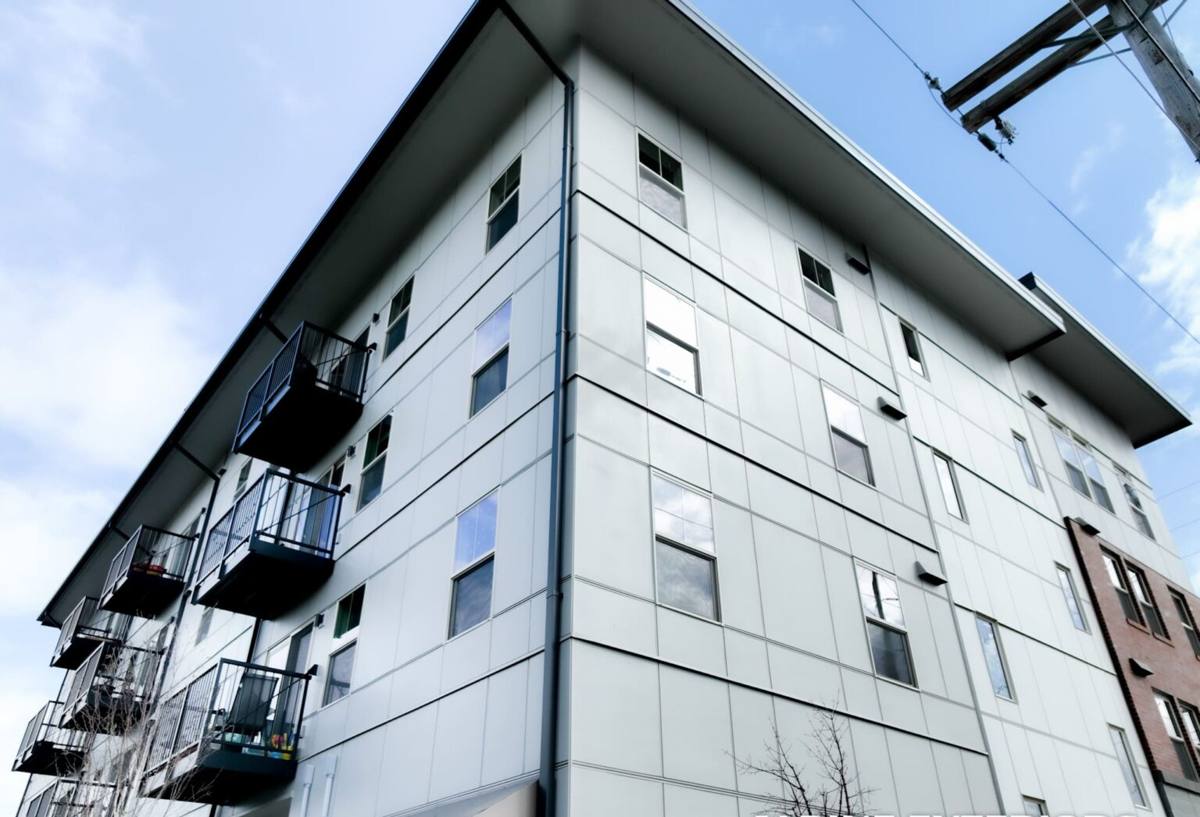
What Seattle's Climate Asks of a New-Construction Window
Seattle sits on Puget Sound, which means homes closer to the water deal with salt-laden air on top of the region's already wet weather pattern. Add King County's long stretch of low-intensity rain punctuated by windier storm systems that drive water sideways into wall assemblies, and you've got a set of conditions that reward careful installation and punish shortcuts.
Salt Air and Hardware
Homes nearer the Sound see accelerated corrosion on exposed metal — hinges, cranks, screws, and cheaper cladding finishes wear faster than they would inland. This isn't a reason to avoid any particular window; it's a reason to pay attention to hardware finish and fastener material when a home is in a salt-exposed location, and to make sure the installer is using corrosion-resistant fasteners at the flashing and frame connections, not just wherever it happens to be handy.
Driving Rain
Seattle's rain is usually steady rather than torrential, but storm events push it sideways against west- and south-facing walls. A window that's caulked in without proper flashing can look fine for years and still be letting water track behind the trim during those events. The fix isn't a fancier window — it's a flashing detail that directs water back out of the wall assembly instead of relying on sealant alone to keep it out.
Moss and Prolonged Dampness
King County's wet season runs long, and anywhere moisture sits without drying — a sill that doesn't slope, a trim detail that traps debris, a gap where organic material can collect — moss and algae will eventually take hold. On new construction, this is addressed with the right sill pan slope and drainage path from day one, rather than something dealt with after the fact.
Getting the Rough Opening and Flashing Sequence Right
Most window failures on new construction aren't the window's fault. They're a flashing sequence that got done out of order, a sill pan that was skipped or installed flat instead of sloped, or house wrap that was lapped the wrong direction over the nailing flange. Once siding goes on, these mistakes are invisible until the wall starts showing water damage — sometimes years later.
A correct sequence, in general terms, looks like this:
- Rough opening framed square, plumb, and to the manufacturer's specified dimensions — too tight or too loose both cause problems
- Sill pan flashing installed with a slope to the exterior and up the jambs, so any water that gets past the window has somewhere to go
- Window set, shimmed level and plumb, and fastened per the manufacturer's instructions — not just caulked and nailed
- Flange flashing taped in the correct shingle-lap order: sill first, then jambs, then head last, so water always sheds down and out
- House wrap integrated over the head flashing, never tucked behind it
- Interior and exterior sealant used to control air movement, not as a substitute for the flashing doing its job
None of this is exotic. It's just a sequence that has to be followed every time, on every opening, by someone who's done it enough to not skip a step when the schedule is tight.
Window Types That Hold Up Here
Most new-construction homes in this area use vinyl or fiberglass windows, with wood-clad windows showing up on higher-end builds where the interior wood look is part of the design. Each has real trade-offs worth understanding before you spec a whole house.
| Frame Material | Typical Fit | Trade-Offs in This Climate |
|---|---|---|
| Vinyl | Most new-construction homes, budget to mid-range builds | Low maintenance, good moisture tolerance, wide price range by quality tier; look and color options are more limited than fiberglass |
| Fiberglass | Mid-range to higher-end builds | More dimensionally stable than vinyl, holds paint well, higher upfront cost; a strong fit for homes closer to the Sound where material stability matters more |
| Wood-clad | Higher-end builds, architectural styles calling for wood interior | Best interior appearance, but the exterior cladding and any exposed wood need consistent maintenance to hold up against King County's wet season |
| Aluminum | Larger openings, contemporary designs | Strong and slim sightlines, but conducts cold and can condense more than other frame types unless it's a thermally broken product |
We don't push one material as universally "best" — the right choice depends on the home's design, budget, and exposure. What we do insist on is a consistent, correctly detailed installation regardless of which product the builder or homeowner selects.
Our New-Construction Installation Process
- Plan review. We look at the window schedule, elevations, and rough opening dimensions before framing is finalized, so any conflicts get caught early instead of on install day.
- Rough opening check. We verify each opening is square, plumb, and correctly sized before a single window goes in.
- Sill pan and flashing. Sloped sill pans and shingle-lapped flashing tape go in at every opening, matched to the specific house wrap and cladding system being used.
- Window set and fastening. Windows are shimmed, leveled, and fastened to manufacturer spec — not just tacked in place to keep the schedule moving.
- Integration with the weather-resistive barrier. House wrap and flashing are tied together in the correct order so the whole wall assembly sheds water as one system.
- Interior and exterior seal. Sealant and, where called for, insulation around the frame are completed to control air and moisture movement without relying on caulk to do a flashing detail's job.
- Final walkthrough. Every opening gets checked for operation, seal, and squareness before we sign off.
Coordinating With Your Builder or General Contractor
On most new-construction jobs we're one trade in a sequence that includes framers, the house wrap crew, siding installers, and often the builder's own super keeping the schedule on track. We work directly with whoever's running the job — showing up on the schedule they set, flagging framing issues before they become install-day problems, and documenting the flashing details as we go so there's a clear record if a question comes up later, whether that's for the builder's own records or for a future owner.
If you're an owner-builder managing the project yourself, we can walk you through what to expect at each stage and what to check before we're called out, so there are no surprises when the crew shows up.
What Drives Cost on a New-Construction Window Package
| Factor | Why It Matters |
|---|---|
| Window count and size | Larger openings and higher counts mean more material and labor hours, straightforwardly |
| Frame material | Vinyl, fiberglass, wood-clad, and aluminum span a wide price range before labor is even factored in |
| Performance glass package | Low-E coatings, gas fills, and impact-rated glass in some locations add cost but also long-term performance |
| Opening complexity | Bays, custom shapes, and taller-than-standard openings take more time to flash and set correctly |
| Site access and schedule | Tight lots, multi-story installs, and compressed builder schedules all affect labor time |
Because every build is different, we give actual numbers after seeing the plans and the site, not a number pulled from a generic price list. Broadly, new-construction window packages for a typical King County home run from the low tens of thousands for a smaller, simpler build to well beyond that for larger homes with premium materials or complex openings — but the plan set is what determines the real number.
What to Check Before You Sign a New-Construction Window Bid
- Does the bid specify the exact flashing method and materials, not just "installed per manufacturer instructions"?
- Is sill pan flashing called out separately, or assumed to be part of a generic install line item?
- Does the installer have experience on new construction specifically, not only replacement work?
- Are fastener and hardware materials appropriate for homes closer to the Sound, if that applies to your site?
- Is there a clear point of contact who will coordinate directly with your builder's schedule?
- Does the warranty distinguish between the manufacturer's product warranty and the installer's labor warranty?
Why a Crew That Already Works Seattle and King County Matters
Window installation on paper looks the same everywhere. In practice, a crew that's already worked Seattle framing conventions, King County inspection expectations, and the realities of this climate makes fewer of the small mistakes that turn into callbacks two winters later. We know what a wall assembly needs to hold up against a wet season that doesn't really end, what salt exposure does to hardware near the water, and how to sequence a flashing detail so it still works after the siding crew is long gone. That local repetition is what actually protects a new-construction window installation — not a warranty booklet.
If you're building in Seattle or elsewhere in King County and want a straightforward look at your window package, we're happy to review your plans and give you a clear, no-pressure estimate — just fill out the form below to get started.