 King County
 Window Installation Built for Shoreline's Climate
Shoreline sits right on Puget Sound, and that location shapes what a window installation needs to hold up to. Salt-laden air moves off the water and settles on exterior surfaces, wind-driven rain finds any gap in flashing or sealant, and the long gray stretch from fall through spring keeps siding, trim, and window sills damp for months at a time. Add a moss season that can run half the year in shaded, tree-covered lots, and you've got a set of conditions that punishes shortcuts. A window that's installed correctly in King County isn't just about the glass — it's about how the whole assembly manages water, air, and moisture over decades, not just the first winter.
We install windows across King County, but Shoreline homes get their own read. Lot shading, proximity to the water, and the age mix of the housing stock all factor into how we flash an opening, what sill pan we use, and which frame materials we recommend.
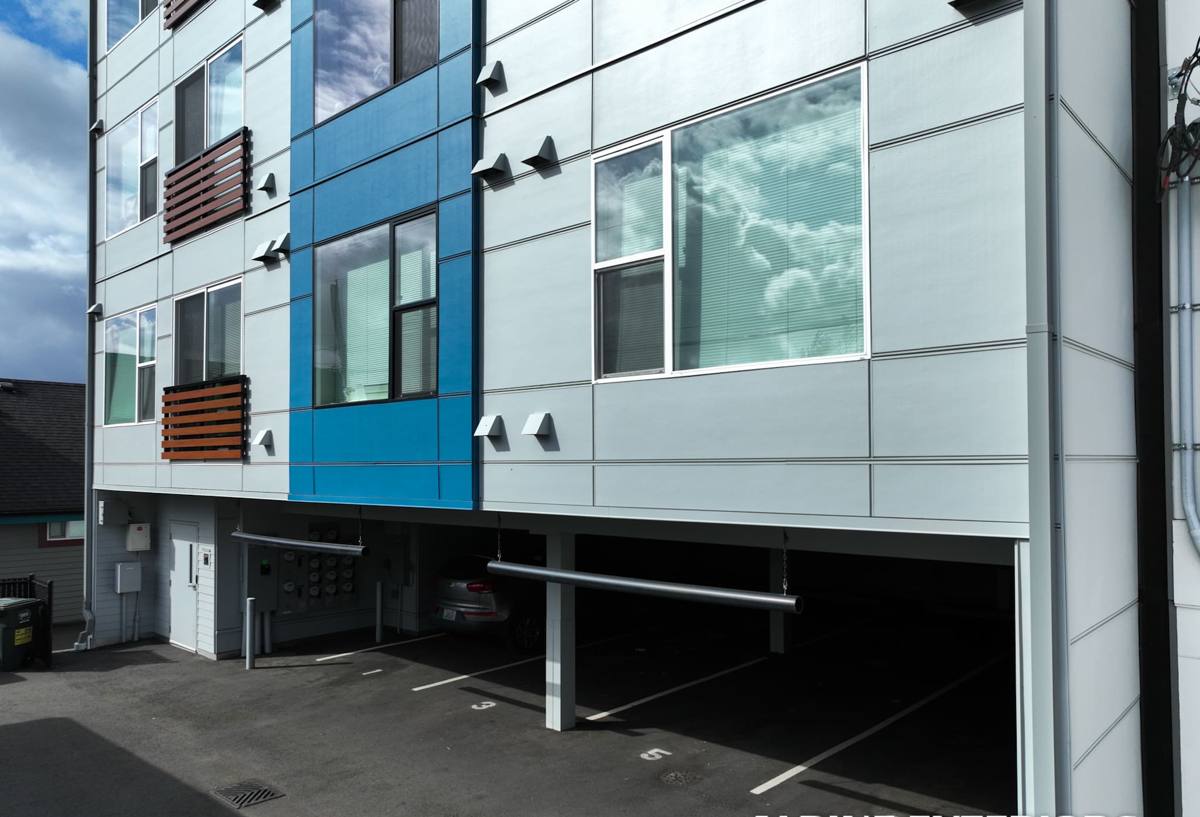
Signs Your Windows Are Ready for Replacement
Windows rarely fail all at once. In this climate, the warning signs usually show up gradually, and homeowners often adjust to them without realizing how much they're losing in comfort and energy efficiency.
- Fogging or a visible haze between panes on double- or triple-glazed units (a sign the seal has failed)
- Soft, discolored, or spongy wood at the sill or bottom corners of the frame
- Visible moss, algae, or persistent green staining on the exterior trim around the window
- Drafts you can feel near the frame even when the window is fully latched
- Windows that are difficult to open, close, or lock — often a sign the frame has swelled or shifted
- Rising heating bills without a clear cause elsewhere in the home
- Paint that keeps peeling or bubbling on the interior or exterior trim, regardless of how often it's repainted
Why Older Homes Show These Signs First
A lot of homes in this part of King County were built decades ago, before modern flashing details and weather-resistive barriers were standard practice. The original windows may still be functional, but the flashing behind them — the part you never see — was often minimal or has broken down over the years. That's usually where water actually gets in, not through the glass or the sash itself.
What a Correct Window Installation Actually Involves
Setting a window into a rough opening looks simple from the outside, but the parts that determine whether it lasts are mostly hidden once the trim goes back on. In a marine climate like ours, skipping any of these steps is how a window that looks fine ends up with rot inside the wall five years later.
Flashing and Water Management
Every opening needs a sloped sill pan so any water that gets past the window drains back out instead of sitting on the framing. Flashing tape needs to be layered correctly — bottom to top, like shingles — so water moving down the wall never crosses behind a seam. This detail matters more here than in drier climates, because Shoreline homes see sustained wind-driven rain, not just occasional showers.
Air Sealing and Insulation
The gap between the window frame and the rough opening needs to be sealed and insulated without over-packing it, which can bow the frame and cause the sash to bind. We use low-expansion foam or backer rod and sealant depending on the gap size, then finish with proper interior and exterior sealant beads at all the right joints — not just a bead of caulk around the outside trim.
Fastening and Fit
The window has to be shimmed level, plumb, and square before it's fastened, and it has to stay that way through fastening. A frame installed slightly out of square will bind, won't seal evenly, and will wear its weatherstripping unevenly over time.
Replacement Windows vs. New Construction Windows
One of the first decisions in any project is whether you need an insert (pocket) replacement window or a full-frame, new-construction window with a nailing fin. This isn't a style choice — it depends on the condition of your existing frame and sill.
| Factor | Insert (Pocket) Replacement | Full-Frame Replacement |
|---|---|---|
| Best used when | Existing frame and sill are sound, dry, and square | Frame, sill, or sheathing shows rot or the opening needs resizing |
| Exterior trim/siding disruption | Minimal | Trim and sometimes siding must be removed |
| Access to hidden flashing | Limited — relies on existing flashing behind the old frame | Full access to re-flash the opening correctly |
| Glass area | Slightly reduced (new frame sits inside the old one) | Can match or maximize original glass area |
| Typical project length | Faster, often same day per window | Longer, especially if trim or siding repair is needed |
In Shoreline, we see more full-frame replacements than in newer developments simply because of housing age and the amount of moisture exposure many homes have had over the years. We won't recommend an insert replacement over a frame that's already showing signs of water damage — sealing a problem behind a new window doesn't make it go away, it just hides it until it's worse.
Choosing a Frame Material for a Marine Climate
Frame material affects how a window handles humidity, temperature swings, and long-term maintenance. There's no single "best" option — the right call depends on your home's exposure, your maintenance preferences, and your budget.
| Material | Moisture Behavior | Maintenance | Typical Cost Position |
|---|---|---|---|
| Vinyl | Won't rot; performs well in damp climates | Low — no painting required | Most affordable |
| Fiberglass | Very stable through temperature and moisture swings; minimal expansion/contraction | Low to moderate | Mid to upper range |
| Wood (interior) with clad exterior | Exterior protected by cladding, but any breach exposes wood to moisture | Higher — exterior cladding still needs periodic inspection | Upper range |
| Aluminum | Prone to condensation without a thermal break; conducts cold | Low | Varies |
For most Shoreline homes, we steer people toward vinyl or fiberglass. Both shrug off moisture without ongoing upkeep, which matters in a climate where exterior paint and sealant get tested nine months out of the year. We're honest about wood-clad windows too — they can look great, but they carry a higher maintenance burden and a lower tolerance for installation error in a wet climate, since any gap in the cladding gives moisture a path to the wood underneath. That's a trade-off worth understanding before you commit, not a reason to avoid the product altogether.
Our Installation Process
- On-site assessment — we inspect each opening, check for existing moisture damage, and measure for accurate sizing before ordering anything.
- Product selection — we go over frame material, glass package, and replacement type (insert vs. full-frame) based on what your home actually needs.
- Removal and inspection — once the old window is out, we check the sheathing and framing underneath for rot before installing anything new.
- Flashing and sill pan installation — this is the step that determines long-term water performance, and we don't shortcut it.
- Setting, shimming, and fastening — the window is leveled, squared, and secured per manufacturer specification.
- Insulation and air sealing — the gap around the frame is filled and sealed correctly, inside and out.
- Trim and finish work — interior and exterior trim is reinstalled or replaced, and exterior sealant joints are tooled and finished.
- Final walkthrough — we test operation, check the seal, and walk you through anything you should know about the new windows.
Why Local Experience in Shoreline Matters
A window installer who mostly works drier inland areas can still do a technically correct install and end up with a window that underperforms here. Shoreline's proximity to Puget Sound means more sustained wind-driven rain events, more salt exposure on exterior hardware and finishes, and shadier, moss-prone lots that keep surfaces damp longer after a storm passes. Knowing to spec corrosion-resistant fasteners and hardware, choosing sealants rated for sustained moisture exposure, and building in enough drainage capacity at the sill isn't guesswork — it's pattern recognition from working this specific area of King County repeatedly. That's the difference between a window that looks right on install day and one that's still performing correctly in year ten.
What to Look for When Hiring a Window Contractor
Window installation is one of those projects where the quality gap between a rushed job and a correct one doesn't show up for a year or two — by then, it's a repair, not a warranty callback. A few things worth checking before you hire anyone:
- Ask specifically how they flash the opening and manage water at the sill — a vague answer is a red flag
- Confirm they'll inspect the existing framing for rot before installing, not just swap windows and move on
- Check that they're licensed and insured to work in Washington, and ask to see current coverage
- Ask whether they recommend insert or full-frame replacement for your specific windows, and why
- Get clarity on what's covered by the manufacturer's warranty versus the installer's workmanship warranty
- Look for a contractor who's willing to walk your home with you and point out problem areas before quoting
If a contractor can't clearly explain their flashing and water-management approach, that's usually a sign they're not thinking past the day the window goes in — which matters a lot more here than in a drier climate.
Get a Straightforward Estimate
If your windows are drafty, fogging, or showing signs of moisture damage, it's worth having someone take a look before the next wet season sets in. We offer free, no-pressure estimates for window installation and replacement throughout Shoreline and the surrounding King County area — use the form below to get started.