 King County
 West Seattle's Peninsula Climate Is Rough on Siding
West Seattle sits out on the water, with Puget Sound and Elliott Bay on multiple sides. That location is part of what makes the neighborhood, but it also means homes here take on weather that inland King County properties don't deal with in the same way. Salt-laden air moves off the water and settles on exterior surfaces year-round. Wind-driven rain hits harder and at more aggressive angles on water-facing and elevated lots than it does a few miles inland. And because the region stays cool, damp, and shaded for a large part of the year, moss and algae get a long growing season on anything that holds moisture against its surface.
Individually, none of these are exotic problems — most of Western Washington deals with rain and moss to some degree. What's different in West Seattle is that all three show up together, and they compound. Salt air accelerates the breakdown of paint films and corrodes exposed metal fasteners. Driving rain finds any weak point in a lap, seam, or flashing detail and pushes water behind the cladding instead of just running down the face of it. Moss and algae hold that moisture against the siding surface for days at a time instead of letting it dry. A siding material and installation method that would hold up fine in a drier, calmer part of the county can fail years early out here.
Why We Only Install James Hardie Fiber Cement
We don't install vinyl siding, LP SmartSide, primed spruce, cedar, or other fiber cement brands. That's a deliberate standard, not a lack of options, and it comes directly from what we see holding up — and what doesn't — in climates like this one.
Wood and cedar
Real wood siding looks good on day one, but it's an organic material in a climate that stays wet for months at a time. Moss and algae hold water against the grain, paint has to be maintained on a strict cycle to keep water out, and once rot starts under a coat of paint it's often hidden until the damage is significant.
Vinyl siding
Vinyl is inexpensive and low-maintenance in mild, dry climates, but it's not a water barrier by itself — it's designed to shed most water while letting the wall behind it handle the rest through a drainage plane. In a driving-rain environment, and especially with the additional UV and salt exposure of a shoreline-adjacent neighborhood, vinyl tends to fade, chalk, and develop gaps at the seams well before its rated lifespan.
LP SmartSide and similar engineered wood products
These are strand-based wood products with a resin coating, and they perform reasonably well when every cut edge, joint, and fastener penetration is caulked and maintained exactly per spec. In a climate this consistently wet, that maintenance margin is thin — a missed touch-up at a cut edge is an entry point for moisture into a wood-based core.
None of this means those products are junk everywhere. It means that for the specific combination of salt air, wind-driven rain, and a long moss season that West Seattle homes face, we don't think they're the right call, and we'd rather turn down that work than install something we don't expect to hold up.
What James Hardie Siding Does Right for This Climate
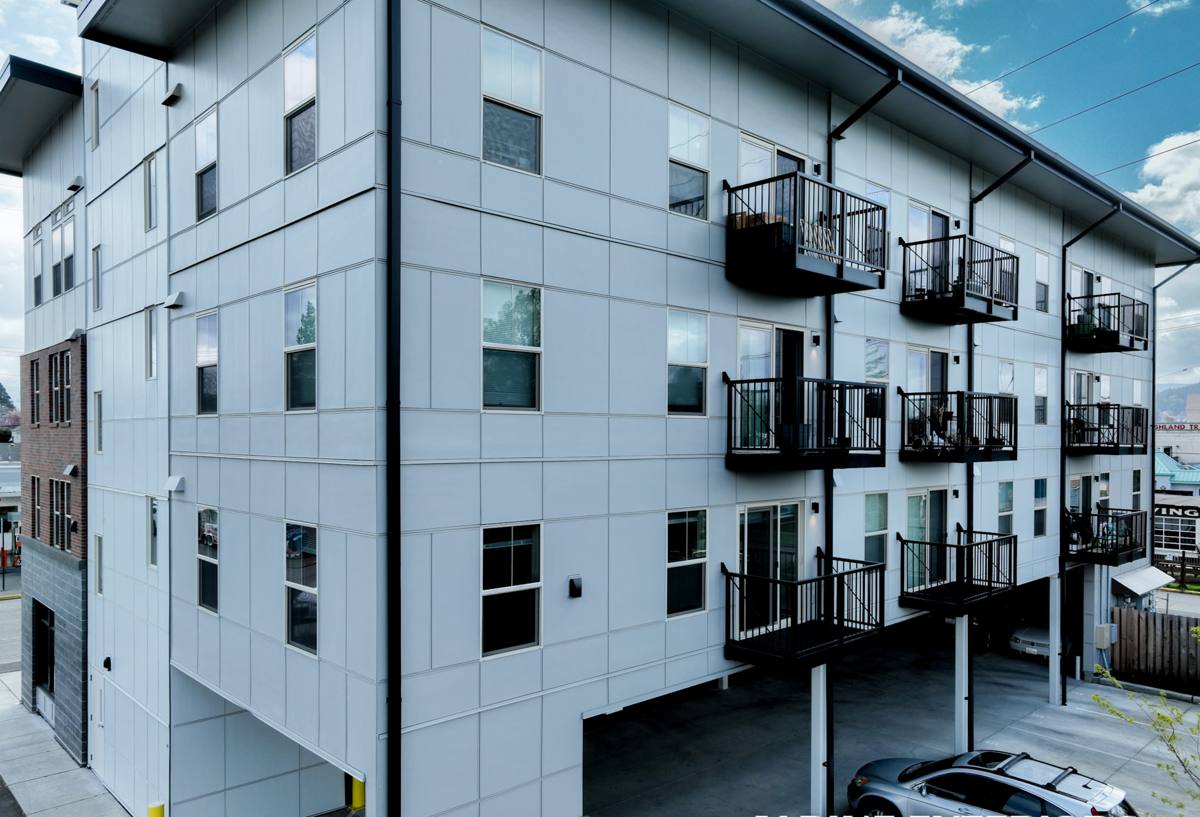
James Hardie fiber cement is cement, sand, and cellulose fiber — it doesn't rot, and it isn't a food source for moss or algae the way wood is. It's manufactured in climate-specific HZ formulations, engineered around the moisture and temperature patterns of a given region rather than a single one-size-fits-all product. For a marine climate like ours, that means a board designed around sustained moisture exposure rather than freeze-thaw cycling.
The factory-applied ColorPlus finish is baked on under controlled conditions, which gives it better adhesion and UV resistance than a coat of paint applied on-site in variable weather. That matters directly for salt air exposure — a factory finish holds its color and its seal against the board far longer than field-applied paint typically does, which is one of the bigger practical differences homeowners notice over time.
Hardie is also non-combustible, which is a genuine safety benefit independent of climate, and it carries a strong transferable warranty when installed to the manufacturer's specification — which is the key phrase, because installation quality determines whether any of these advantages actually show up in practice.
What a Correct Hardie Installation Involves
Fiber cement siding is only as good as the water management system behind it. A board that resists moisture on its face does nothing if water gets behind it through a bad flashing detail and sits against the sheathing.
Water management first
Every installation starts with a weather-resistive barrier and correct flashing at every window, door, and penetration — hose bibs, light fixtures, vents. On wind-exposed or water-facing elevations, that flashing work matters even more, because those walls take rain at angles that a calmer inland elevation never sees. A drainage gap behind the cladding lets any moisture that does get past the face of the siding find its way back out instead of pooling.
Fasteners and fastening pattern
In a salt-air environment, fastener choice is not a minor detail. Corrosion-resistant fasteners — stainless steel or hot-dip galvanized, per Hardie's fastening specification for the substrate — keep rust streaks and loosened boards from showing up years early. Nailing pattern, spacing, and depth all follow the manufacturer's published specs; over-driven or under-driven fasteners are one of the most common causes of premature siding failure.
Clearances and sealant
Hardie siding needs proper clearance from grade, roof lines, and decks to avoid wicking moisture up from below, and every field-cut edge needs to be primed or sealed since the factory finish doesn't extend into a cut. Joints get the manufacturer-approved sealant, not whatever caulk is on the truck. Skip any of these steps and you can end up with a product that looks right for a year or two but fails at the seams exactly where moss and rain do their worst work.
Signs Your Current Siding Is Losing the Fight
If you're not sure whether your existing siding still has years left in it, a few signs tend to show up before a full failure does:
- Moss or algae staining that comes back within a few months of cleaning it off
- Soft spots, bubbling, or a spongy feel when you press on the siding near the bottom edge
- Paint that's peeling, chalking, or fading noticeably faster than it used to
- Visible rust streaks running down from fastener heads
- Gaps opening up at trim boards, corners, or window casings
- Boards that are cupping, warping, or separating from the wall at the edges
- A musty smell or unexplained draft near exterior walls
Any one of these on its own might just mean a cleaning or a caulk touch-up. Several of them together, especially on the elevations that take the most weather, usually mean water has already gotten behind the cladding.
Cost Factors for a West Seattle Hardie Project
Every home is different, and we won't put a firm number on a project without seeing it, but the main variables that move the price on a West Seattle siding job are fairly consistent:
| Factor | Why It Matters |
|---|---|
| Home size and number of stories | More surface area and taller elevations mean more material, labor, and staging/access equipment |
| Condition behind the existing siding | Rotted sheathing or trim found during tear-off adds repair scope before new siding goes on |
| Trim and architectural detail | Multiple gables, dormers, or a lot of window and door trim add labor beyond flat wall runs |
| Plank profile and reveal | Different Hardie profiles and exposure widths affect material quantity and install time |
| ColorPlus vs. field-painted | Factory finish costs more up front but removes a repainting cycle from your maintenance schedule |
| Site access | Bluff lots, steep grades, and tight side yards common in West Seattle can add staging time |
Our Process, Start to Finish
- Inspection and estimate. We walk the exterior, look at every elevation, and check for existing moisture or damage before quoting anything.
- Substrate check. Once tear-off starts, we look at the sheathing and framing underneath — this is where hidden water damage from years of a failing water-management system usually shows up.
- Water-management and product plan. We spec the weather-resistive barrier, flashing details, Hardie product line, plank profile, and color before install begins, with extra attention to whichever elevations take the most wind and rain.
- Installation. Fastening, clearances, and sealant all follow Hardie's published specifications, not shortcuts.
- Final walkthrough and warranty registration. We go over the finished work with you and make sure the manufacturer warranty is properly registered.
Why a Crew That Already Works West Seattle Matters
A siding crew that mostly works drier, calmer parts of King County can install Hardie siding competently and still miss the details that matter specifically here. Knowing which elevations on a West Seattle home take the brunt of wind-driven rain off the Sound changes where extra flashing attention goes. Working on bluff lots and tight, view-oriented properties on a regular basis means fewer surprises around staging and access. Familiarity with Seattle's permitting and inspection process means less back-and-forth and fewer delays. None of that is glamorous, but it's the difference between a job that looks right at handoff and one that's actually built to hold up against this specific coastline climate for decades.
Living With Hardie Siding in a Salt Air, Moss-Prone Climate
Fiber cement isn't maintenance-free, but it's a lighter lift than what most other siding materials ask of you here. A periodic gentle rinse to knock salt residue and early moss growth off the surface keeps both from building up. Keeping gutters and downspouts clear prevents overflow from running down the face of the siding and feeding moss growth right where it lands. Trimming back vegetation that shades and dampens a wall helps that section dry out between rains instead of staying wet for weeks. Because the ColorPlus finish is factory-applied and warranted, you're not on the same repainting clock a wood-sided home is — but it's still worth having a contractor look at caulk joints and trim periodically, since that's where a small gap can turn into a real problem in a climate this consistently wet.
If you're weighing a siding replacement on a West Seattle home, or you're just not sure how much life is left in what's on the walls now, we're happy to take a look and give you a straight, no-pressure estimate — no obligation either way.