 King County
 West Seattle's Roofs Work Harder Than Most
West Seattle sits in an unusual spot for roofing: close enough to Puget Sound to pick up salt-laden air off the water, exposed enough on its bluffs and ridgelines to take wind-driven rain straight into fascia and flashing, and shaded enough under the tree canopy in older neighborhoods to grow moss on nearly any roof that isn't actively maintained. None of that is exotic weather. It's just persistent, and persistent is what wears out a roof. A roof system that would coast along for decades in a drier, calmer climate can start showing real problems here well ahead of schedule if it wasn't built or maintained with this specific mix of conditions in mind.
That's the core of what a good roof replacement means in this part of King County: it's not just swapping old material for new. It's addressing the reasons the old roof failed in the first place so the new one doesn't repeat the pattern.
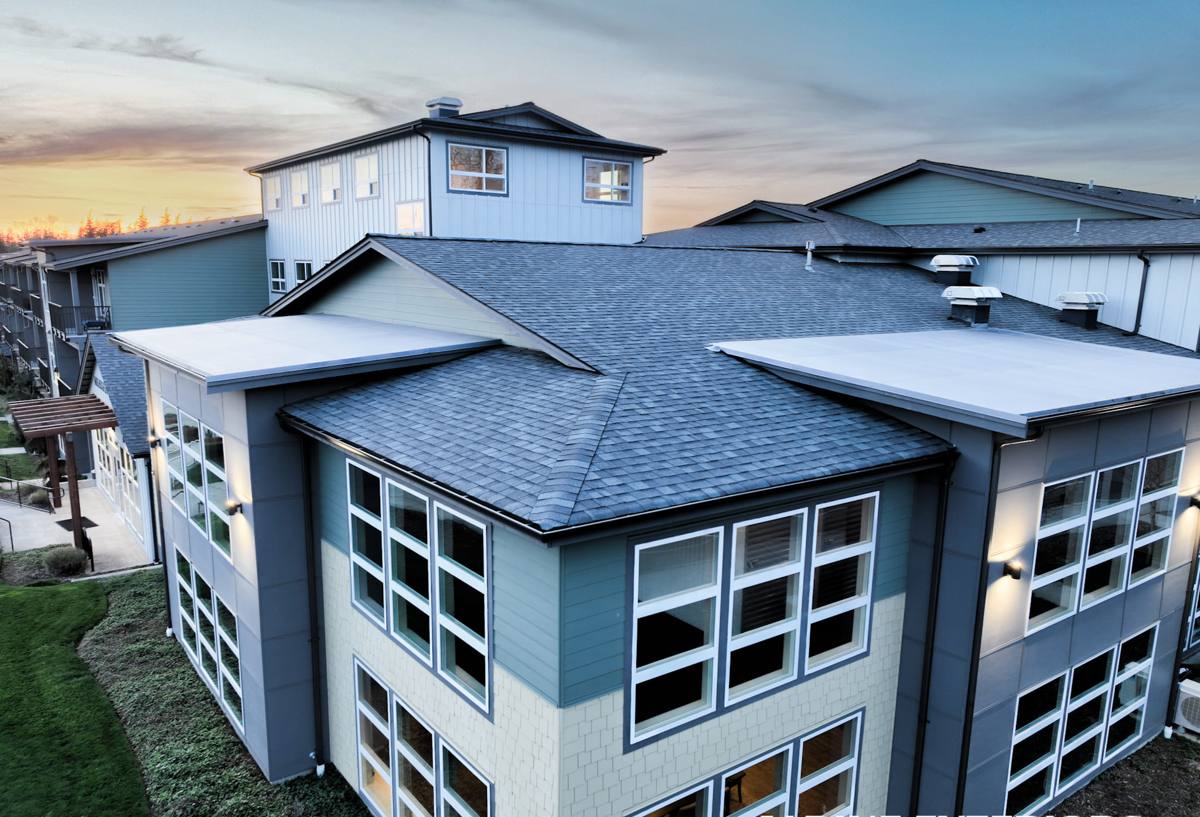
Why Local Conditions Shorten Roof Life
Salt Air and Metal Fatigue
Homes closer to the water deal with airborne salt that accelerates corrosion on exposed metal — nails, flashing, vents, and gutter hardware in particular. Standard fasteners and thin flashing can start rusting years before the shingles or panels around them are due for replacement, which is why the leaks people notice often start at a metal detail rather than in the field of the roof itself.
Driving Rain and Wind-Driven Water
West Seattle gets its share of wind off the Sound, and wind-driven rain doesn't behave like a straight downpour. It gets pushed sideways and upward under laps, ridge caps, and poorly sealed penetrations. A roof that would shed a calm rain just fine can still leak in a wind event if the underlayment, laps, and flashing details weren't installed with that sideways pressure in mind.
Moss and Prolonged Moisture
Between tree cover, marine humidity, and a long wet season, moss finds a foothold on almost any roof surface that holds shade and moisture. Moss itself isn't just cosmetic — it holds water against the roofing material, works its way under shingle tabs and shakes, and over time lifts and displaces the surface it's growing on. A roof replacement is the right moment to correct the conditions that let moss take hold, not just remove what's there.
Signs a West Seattle Roof Has Reached the End
Roofs rarely fail all at once. Usually there's a run-up of smaller signs before a leak actually shows up inside the house. Worth checking for, or having checked, if your roof is approaching 20 years or has visible wear:
- Granule loss showing up in gutters or at downspout outlets
- Curling, cupping, or cracked shingle edges, especially on south- and west-facing slopes
- Moss or dark streaking that keeps coming back within a season or two of cleaning
- Rusting or lifted flashing around chimneys, vents, and skylights
- Soft or spongy spots when walking the roof, which usually means deck damage underneath
- Daylight visible through the roof deck from inside the attic
- Rising energy bills tied to poor attic ventilation or insulation gaps at the roofline
- Multiple past repairs in different spots rather than one isolated issue
Any one of these on its own might just be a repair. Several together, or a roof that's simply old, usually means replacement is the more honest recommendation than another patch.
What a Correct Roof Replacement Actually Involves
A roof replacement done right is mostly about what's underneath the material you can see. The visible layer matters, but the components most responsible for keeping water out over the next 20-30 years are the ones installed before a single shingle or panel goes down.
Tear-Off and Deck Inspection
A full tear-off exposes the roof deck so it can actually be inspected, not guessed at. Any soft, delaminated, or water-stained sheathing gets replaced before anything else happens. Roofing over a compromised deck is one of the more common reasons a "new" roof still has problems within a few years.
Underlayment and Ice-and-Water Protection
A quality synthetic underlayment across the whole roof, with self-adhering ice-and-water membrane at eaves, valleys, and around penetrations, is what actually stops wind-driven rain that gets past the surface material. This detail matters more here than in drier climates precisely because of how often West Seattle sees sideways rain.
Flashing That Won't Corrode Prematurely
Given the salt-air exposure closer to the water, we pay particular attention to flashing material and fastener quality at chimneys, skylights, valleys, and wall intersections. This is the detail most likely to fail early in a marine-influenced climate, and it's cheap to get right at installation and expensive to fix later.
Ventilation
Balanced intake and exhaust ventilation keeps the attic dry and temperature-stable, which does two things: it extends the life of the new roofing material from underneath, and it reduces the moisture buildup that helps moss and mold get started in the first place. Ventilation is often the most overlooked part of a roof replacement because it's invisible once the job is done, but it's one of the biggest factors in how long the roof actually lasts.
Common Roofing Material Options
| Material | Typical Lifespan | How It Handles Local Conditions |
|---|---|---|
| Architectural asphalt shingles | 25-30 years | Good all-around performer; moss-resistant granule options are worth discussing given the tree cover and moisture here |
| Standing seam metal | 40-50+ years | Sheds wind-driven rain and moss well; requires marine-grade fasteners and coatings near the water to avoid premature corrosion |
| Cedar shake | 20-30 years with upkeep | Traditional look but high maintenance in a wet, shaded climate — moss and moisture retention are ongoing concerns |
| Synthetic/composite shingles | 30-50 years | Resists moisture and moss better than wood; higher upfront cost, lower long-term maintenance |
There's no single "right" material for every home — it depends on the roof's slope, sun and shade exposure, the home's style, and what the homeowner wants to maintain long-term. We'll walk through the honest trade-offs for your specific roof rather than pushing one product across the board.
Our Replacement Process
- On-site inspection — we walk the roof, check the attic, and identify the actual condition of the deck, flashing, and ventilation, not just the surface material
- Straightforward proposal — a clear scope and price, with material options explained in plain terms so you know what you're choosing between
- Permitting — we handle the local permitting process so the job is inspected and documented correctly
- Tear-off and deck repair — full removal of old material, with any damaged decking replaced before new material goes down
- Underlayment, flashing, and ventilation installed — the layers that determine how the roof performs in the next windstorm, not just how it looks on install day
- New roofing material installed — per manufacturer specification, so the warranty is actually valid
- Site cleanup and final walkthrough — including a magnetic sweep for nails and a review of the finished work with you
Moss, Debris, and Ongoing Maintenance
A new roof still needs some basic upkeep in this climate, and being upfront about that is part of doing honest work. Gutters clogged with needles and leaves from the neighborhood's tree cover cause water to back up under the roof edge. Moss that isn't kept in check will eventually return, even on a newly installed roof, especially on shaded north-facing slopes. We'll walk you through simple, non-damaging maintenance steps — and what to avoid, like pressure washing shingles, which strips granules and shortens roof life rather than protecting it.
Permits, Timeline, and What to Expect
Roof replacements in West Seattle typically fall under Seattle's residential building permit requirements, and we handle that process as part of the job rather than leaving it to the homeowner. Most straightforward residential roof replacements take a few days to complete once material is on-site, though timeline can shift with weather — and given the rainy stretches common here, we build realistic scheduling into the estimate rather than promising a date we can't control.
What Roof Replacement Typically Costs
Exact pricing depends on roof size, pitch, material choice, and the condition of the deck once it's exposed, so we won't quote a number without seeing the roof. In general terms, cost scales with these factors:
| Factor | Why It Affects Cost |
|---|---|
| Roof size and complexity | More valleys, dormers, and penetrations mean more flashing work and labor time |
| Pitch and access | Steeper or harder-to-access roofs require more safety setup and time |
| Material choice | Asphalt shingles cost less upfront than metal or composite materials, which cost more but last longer |
| Deck condition | Rotted or damaged sheathing found during tear-off adds material and labor not visible in an initial estimate |
| Ventilation upgrades | Adding or correcting intake/exhaust ventilation is a smaller cost during a replacement than as a standalone project later |
We provide a written estimate that breaks these factors down so you can see exactly what you're paying for, rather than a single lump number.
Why It Matters to Hire a Crew That Already Works This Neighborhood
A roofing crew that regularly works West Seattle already knows which details tend to fail here — the flashing corrosion near the water, the moss buildup under tree canopy, the wind-driven rain that finds gaps a drier-climate roof wouldn't need to worry about. That's not something you can fully account for from a generic checklist. It also means we're familiar with Seattle's permitting process and can plan around King County's weather patterns realistically instead of guessing at a schedule. For a roof that has to perform through decades of Pacific Northwest weather, that local experience shows up in the details that actually keep water out.
If your roof is showing wear, nearing the end of its expected life, or you just want an honest assessment of what condition it's actually in, we're glad to take a look. Reach out for a free, no-pressure estimate using the form below — we'll walk the roof, tell you what we find, and give you a clear picture of your options.