 King County
 Woodinville sits in one of the wetter, greener corners of King County, and that setting is easy on the eyes but hard on a house. Long stretches of drizzle, heavy seasonal rain, and shaded, tree-lined lots that stay damp well after a storm has passed all add up over time. Homes here also deal with the salt-tinged marine air that moves through the greater Puget Sound region, along with a moss season that can stretch from fall through spring. None of that is dramatic on its own, but stacked year after year, it's exactly the kind of slow, steady exposure that wears out the wrong siding material and exposes shortcuts in a bad installation. If your siding is cupping, staining, or starting to feel soft in spots, this page walks through what's actually happening, what a correct replacement looks like, and why it matters who does the work.
Why Woodinville's Climate Is Harder on Siding Than It Looks
King County's marine climate doesn't hit a house with one big event the way a hailstorm or hurricane would. Instead, it works slowly. Moisture gets driven into seams and laps during wind-blown rain, then sits there because the sun and dry air needed to fully evaporate it out are in short supply for much of the year. Add shade from mature trees, which is common on Woodinville lots, and you get siding that simply doesn't get the chance to dry out the way it would in a hotter, sunnier climate.
That combination of moisture and shade is also what drives the moss and algae growth homeowners notice on north-facing walls and anything close to tree cover. Moss itself isn't just cosmetic — where it takes hold, it holds water against the surface underneath it, extending the time siding spends wet instead of drying out between rain events. Over a long enough season, that's a real factor in how a wall system ages, not just how it looks.
What This Means for Different Siding Materials
Wood-based and wood-adjacent products (cedar, primed spruce, and engineered wood siding like LP SmartSide) are all organic at their core, which means they're vulnerable to exactly this kind of sustained moisture exposure. Even with a good factory coating, any breach at a cut edge, fastener, or seam gives water a path into material that can swell, soften, or rot from the inside. Vinyl siding doesn't rot, but it isn't rigid, and in a climate with real temperature swings and driving rain it can gap at the laps, warp, or let water track behind it with no way to escape. These aren't reasons to panic about a house that already has one of these products — plenty perform adequately for years — but they're the honest trade-offs we weigh before we recommend a replacement material for a Woodinville home.
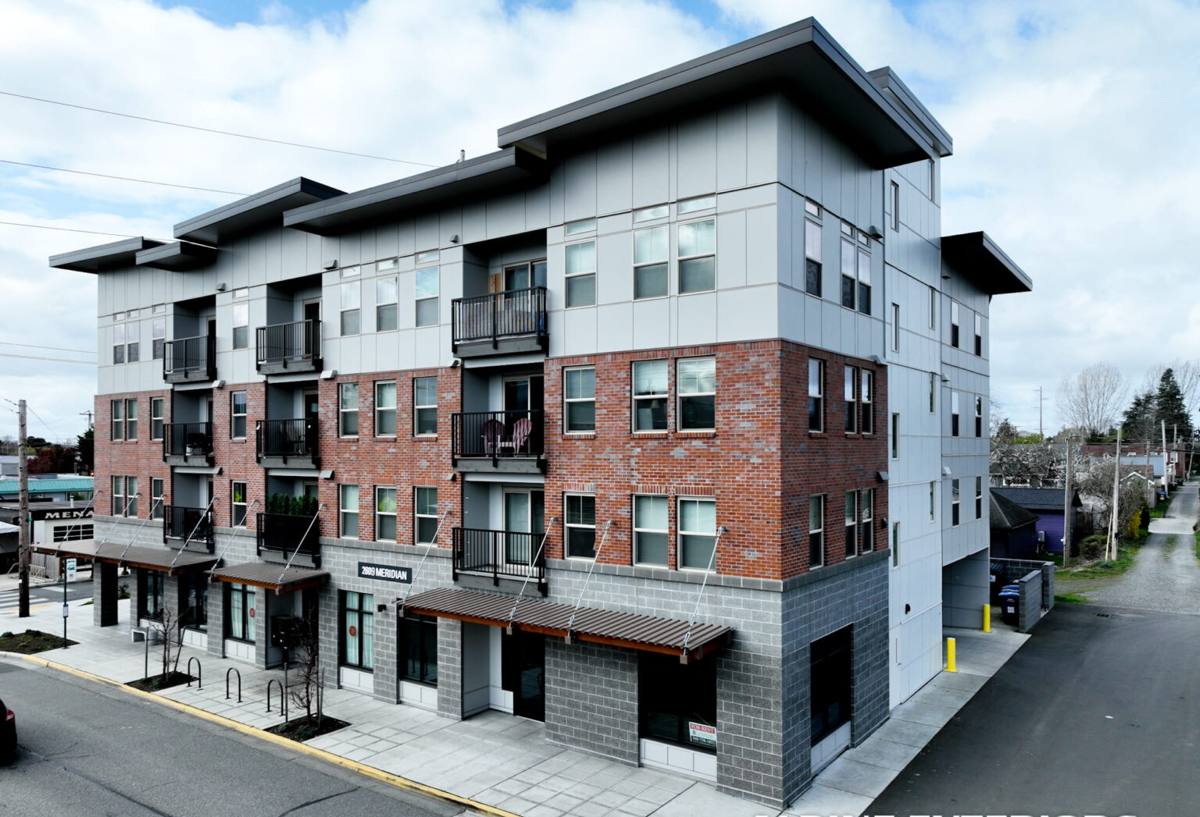
Why We Install Only James Hardie Fiber Cement
We standardized on James Hardie fiber cement siding because it's engineered to handle exactly this kind of climate. It's non-combustible, dimensionally stable (it doesn't expand and contract with moisture the way wood does), and it comes in an HZ5 product line specifically formulated for the freeze-thaw and moisture patterns of the Pacific Northwest. The ColorPlus factory finish is baked on under controlled conditions, which gives it better adhesion and UV resistance than field-applied paint, and it's backed by a strong transferable warranty that follows the house if you sell it.
None of that makes fiber cement maintenance-free — no siding material is, in this climate — but it removes rot as a failure mode and gives you a surface that holds paint and color far longer than wood-based alternatives. For a Woodinville property dealing with sustained dampness and a long moss season, that durability difference compounds year over year.
Signs Your Woodinville Home Needs Siding Replacement
Some of these show up gradually enough that homeowners get used to them before realizing how far things have progressed. Worth checking for:
- Boards that are soft, spongy, or crumbling when pressed, especially near the bottom courses and around windows
- Visible cupping, warping, or buckling panels
- Paint that's peeling or blistering in a pattern that follows seams and laps rather than just sun exposure
- Persistent moss, algae, or dark staining that comes back quickly after cleaning
- Gaps opening up at butt joints, corners, or trim where caulking has failed
- Rising energy bills that suggest the wall assembly behind the siding isn't sealing the way it should
- Interior signs — musty smells, peeling interior paint, or damp drywall on an exterior wall — that point to moisture getting past the siding altogether
Any one of these on its own might just need a repair. Several at once, especially on a home more than 15-20 years old, usually means the siding system as a whole is due for replacement rather than another round of patching.
What a Correct Siding Replacement Actually Involves
The material you choose matters, but installation quality is what actually determines whether a wall stays dry for the next few decades. A rushed or careless install can undercut even the best product. Done right, a full siding replacement includes:
Full Tear-Off and Substrate Inspection
Old siding comes off entirely so the sheathing underneath can be inspected. This is where hidden rot, soft spots, or past water damage get found and dealt with — problems that would otherwise just get sealed up behind new siding and left to keep spreading.
Weather-Resistive Barrier and Flashing
A properly lapped weather-resistive barrier goes on the sheathing, and flashing gets installed at every window, door, and roof-to-wall transition — the points where water intrusion actually happens on most homes. In a climate that sees as much driving rain as King County, these details matter more than the siding panel itself.
Correct Fastening and Clearances
Fiber cement siding has specific fastening patterns and minimum clearances from grade, roof lines, and decks that James Hardie specifies for a reason — get them wrong and you create exactly the moisture traps that shorten a siding system's life. This is also where a lot of lower-bid installers cut corners, because it takes more time to do correctly.
Sealing, Caulking, and Finish Work
Joints, corners, and trim get sealed with the right products, and any field-cut edges get properly primed and sealed since factory finish doesn't extend into a cut. This detail work is tedious and easy to skip, but it's a major factor in how well the siding resists moisture over time.
Our Process for a Woodinville Siding Replacement
| Step | What Happens |
|---|---|
| Assessment | On-site inspection of existing siding, sheathing, and trouble spots (window flashing, deck ledgers, roof transitions) |
| Scope and Estimate | Clear written scope covering tear-off, repairs needed, siding line and color, and timeline — no vague allowances |
| Prep and Protection | Landscaping, walkways, and windows protected before tear-off begins |
| Tear-Off and Repair | Old siding removed, sheathing inspected, any rot or damage repaired before anything new goes up |
| Barrier and Flashing | Weather-resistive barrier and flashing installed at every penetration and transition |
| Hardie Installation | Siding installed to James Hardie's fastening, clearance, and finishing specifications |
| Final Walkthrough | Joint-by-joint inspection with the homeowner before the job is called complete |
What Drives Cost on a Woodinville Siding Job
Every home is different, so we won't put a number here that doesn't mean anything without seeing the house. What actually moves the price on a real estimate:
| Factor | Why It Matters |
|---|---|
| Sheathing condition | Hidden rot found during tear-off adds repair scope that can't be priced sight unseen |
| Home size and wall complexity | More corners, dormers, and trim detail means more labor and material |
| Siding profile chosen | Lap width, panel vs. shingle-style, and trim details affect material cost |
| Access and site conditions | Steep lots, mature landscaping, or limited access add labor time |
| Story count | Multi-story homes require more scaffolding and staging |
Why Hiring a Crew That Already Works Woodinville Matters
A contractor who regularly works King County homes already knows how local wall assemblies tend to be built, what building department expectations look like for this area, and how the region's moisture pattern actually plays out on a real house — not just in a manufacturer's install guide. That familiarity shows up in small decisions on the job: where to add extra flashing attention, how to handle a shaded north wall differently than a sun-exposed one, and what clearance details actually hold up through a wet Woodinville winter. It also means faster, more accurate estimates, since we're not guessing at conditions we've never seen before in this area.
After Installation: Keeping Fiber Cement Siding Performing
Fiber cement is low-maintenance, not no-maintenance. A simple annual routine keeps it performing the way it's designed to:
- Rinse siding with a garden hose (not a pressure washer, which can force water behind laps) once or twice a year, more often on shaded or moss-prone walls
- Inspect caulking at joints and trim annually and re-seal if it's cracking or pulling away
- Trim back vegetation and tree limbs that keep a wall section shaded and damp
- Check gutters and downspouts are directing water away from the wall, not dumping it against the siding
- Address any moss or algae growth early, before it has a chance to hold moisture against the surface long-term
If your Woodinville home's siding is showing wear, or you just want an honest read on how much life it has left, we're happy to take a look. Estimates are free, there's no pressure, and you'll get a straight answer about what your home actually needs — use the form below to get started.