 King County
 Why Capitol Hill Roofs Wear Differently
Capitol Hill's mix of older character homes and infill construction sits under some of the more demanding roofing conditions in King County. The neighborhood gets the same driving rain and long gray stretches as the rest of Puget Sound, but its elevation, tree cover, and proximity to the water add a few extra variables. Moist air off the Sound carries salt that slowly works on exposed metal fasteners, flashing, and vent components. Combine that with heavy tree canopy on many blocks and you get shaded, damp roof sections that almost never fully dry out between storms — exactly the conditions moss and algae need to take hold.
None of this means asphalt shingle roofing is a poor fit here. It remains one of the most practical, cost-effective roofing systems for this climate when it's specified and installed correctly. The problems homeowners run into almost always trace back to a roof that was built for a drier region, or installed without the extra layers of moisture protection that a Pacific Northwest roof needs. A roof built for Arizona and a roof built for Capitol Hill should not look the same underneath the shingles, even if they look identical from the street.
What a Correct Installation Actually Involves
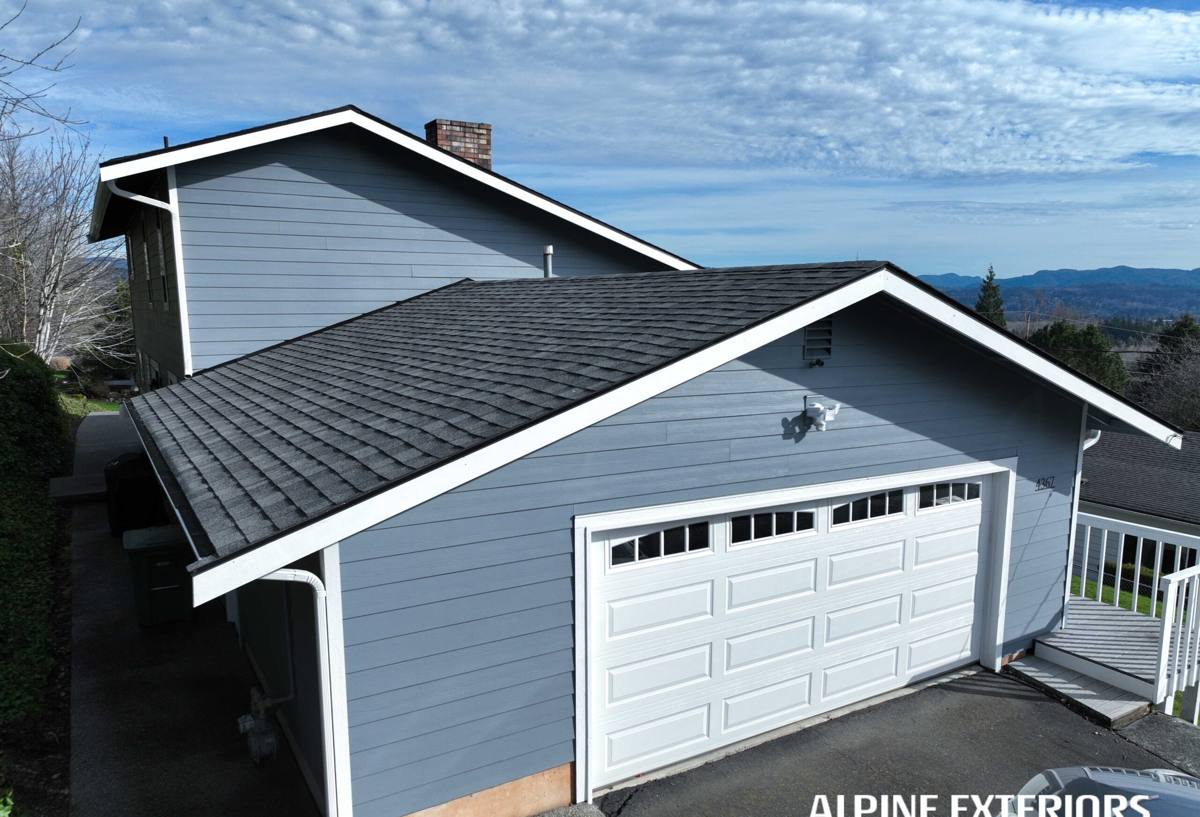
A shingle roof is a system, not a single product. The shingle is the visible layer, but its lifespan depends almost entirely on what's underneath it and how carefully each layer was tied together. For a roof that has to shed steady rain for months at a time, we treat these steps as non-negotiable:
Deck Inspection and Repair
Every square foot of decking gets checked once the old roofing is stripped. Soft, delaminated, or water-stained sheathing gets replaced before anything new goes down — shingles fastened to a compromised deck will fail early no matter how good the shingle itself is.
Ice and Water Shield at Vulnerable Points
Valleys, eaves, chimneys, skylights, and any low-slope transitions get a self-adhering waterproof membrane underneath the underlayment. These are the spots where wind-driven rain gets pushed sideways or backward under the shingle edge, and they're the most common source of hidden leaks on older Capitol Hill roofs.
Synthetic Underlayment Across the Field
We use synthetic underlayment rather than older felt products for the rest of the roof deck. It holds up better to the freeze-thaw and wet-dry cycling typical of a Puget Sound winter and gives the shingles a more stable, moisture-resistant base.
Correct Flashing at Every Penetration
Chimneys, plumbing vents, roof-to-wall transitions, and dormers all need step flashing, counter-flashing, or pipe boots sized and installed correctly for the material they meet. Flashing failure, not shingle failure, is the most common cause of roof leaks we find on this type of home.
Manufacturer-Specified Nailing Pattern
Shingles are rated for wind resistance only when installed with the correct number and placement of fasteners. Under-nailing is common on rushed jobs and quietly voids the manufacturer's warranty — it's not something you can see from the ground, but it determines how the roof performs in the next windstorm.
Choosing the Right Shingle for This Climate
Not every asphalt shingle line performs the same way in a wet, shaded, salt-influenced environment. The main differences that matter for Capitol Hill homes are algae resistance, wind rating, and how the shingle handles repeated moisture cycling over decades rather than years.
| Shingle Type | Typical Wind Rating | Algae Resistance | Best Fit |
|---|---|---|---|
| 3-Tab | Lower | Standard, unless upgraded | Budget projects, secondary structures |
| Architectural / Dimensional | Higher | Usually built-in with copper-infused granules | Most Capitol Hill homes |
| Premium / Designer | Highest available | Built-in, often with extended warranty | Steep-slope, highly visible, or historic-style homes |
For most homes in this neighborhood, we steer clients toward architectural shingles with algae-resistant granules as the practical baseline. The upgrade cost over standard 3-tab is modest relative to the roof's total lifespan, and the algae resistance directly addresses the shaded, damp conditions this area produces. We don't push premium designer lines as a default — they're a legitimate option for homes where the roofline is highly visible or the architecture calls for it, but the added cost should be a deliberate choice, not an assumption.
Moss, Algae, and the Long Wet Season
Moss doesn't just look bad — it holds moisture directly against the shingle surface and can work its way under tabs and along nail lines over time, which shortens the life of an otherwise sound roof. Because Capitol Hill has enough tree cover and shaded exposures to keep parts of many roofs damp for extended stretches, moss management is a routine part of ownership here rather than an occasional chore.
- Have gutters cleared before the fall rains start and again mid-winter if the property has significant tree cover
- Keep overhanging branches trimmed back to reduce shade and debris buildup on the roof plane
- Remove moss growth gently — physical scraping or approved low-pressure treatments, never a pressure washer, which can strip granules and shorten shingle life
- Check north-facing and heavily shaded slopes each fall, since these areas show moss and algae first
- Watch for granules collecting in gutters or downspouts, an early sign of shingle wear
- Schedule a roof walk-through every couple of years even without visible problems, since flashing and fastener issues are easy to miss from the ground
Ventilation Matters as Much as the Shingle
A shingle roof's lifespan is tied closely to what's happening in the attic beneath it. Without adequate intake and exhaust ventilation, moisture from daily living gets trapped under the deck, which can lead to premature sheathing rot, mold, and shingles that fail from underneath rather than from weather exposure. This is a common oversight on older Capitol Hill homes that were re-roofed at some point without updating the ventilation to current standards.
As part of any full replacement, we evaluate intake vents at the eaves and exhaust at the ridge or roof line, and we'll flag mismatched or blocked ventilation even on jobs that are otherwise straightforward. It's a relatively small cost to correct compared to the cost of premature sheathing repair a decade down the road.
Repair or Full Replacement?
Not every roofing problem calls for a full tear-off, and we won't sell a replacement when a repair will genuinely hold. The right call depends on a handful of factors that are worth walking through honestly before any work starts.
| Factor | Leans Toward Repair | Leans Toward Replacement |
|---|---|---|
| Roof age | Under two-thirds of expected shingle lifespan | Nearing or past expected lifespan |
| Extent of damage | Isolated area — one slope, one flashing point | Widespread wear, multiple leak points |
| Deck condition | Sound, no rot detected | Soft spots or water staining found |
| Granule loss | Minor, localized | Widespread, visible in gutters |
| Ventilation | Adequate and functioning | Inadequate, contributing to deck damage |
We inspect the roof in person before recommending either path, and we'll explain what we're seeing and why it points one direction or the other. A patch job on a roof that's structurally failing wastes money; a full replacement on a roof with years of life left is unnecessary.
Our Process, Start to Finish
- Inspection and estimate: We walk the roof and attic, document existing conditions, and give a written estimate with no pressure to commit on the spot.
- Material selection: We go over shingle options, colors, and warranty terms so the choice fits both the home and the budget.
- Tear-off and deck check: Old roofing comes off, the deck is inspected, and any needed repairs are addressed before new material goes down.
- Underlayment and flashing: Ice and water shield, synthetic underlayment, and new flashing are installed at every vulnerable point.
- Shingle installation: Shingles go down per the manufacturer's nailing and exposure specifications to keep the warranty intact.
- Ventilation check: Intake and exhaust airflow is confirmed or corrected as part of the job.
- Cleanup and final walkthrough: The property is cleared of debris and nails, and we walk the finished roof with the homeowner.
Why Local Experience on Capitol Hill Matters
Capitol Hill has a real mix of building types — older homes with steep, complex rooflines sitting next to newer construction on narrow lots. That variety means access, staging, and roof geometry can differ significantly from one job to the next, even within the same few blocks. A crew that regularly works in this part of King County already understands how to work around tight lot lines, shared driveways, and mature trees without treating every job as a first-time problem to solve.
Local experience also means knowing which parts of a roofing job actually matter for this specific climate — the flashing details, the ventilation, the shingle grade — rather than applying a generic specification and hoping it holds up through a Puget Sound winter. That judgment only comes from doing the work here repeatedly, not from a manufacturer's install guide alone.
Warranty and Workmanship Standards
Shingle manufacturers offer material warranties, but those only cover defects in the product itself — they don't cover a poor installation. A separate workmanship warranty from the contractor is what actually protects a homeowner against issues like flashing leaks or nailing errors, which are far more common causes of roof problems than a defective shingle. Before hiring anyone for a roof in this climate, it's worth asking exactly what's covered, for how long, and whether the manufacturer warranty requires a certified installer to stay valid — some of the stronger material warranties do.
If you're weighing options for a Capitol Hill roof, we're happy to take a look and give you a straightforward, no-pressure estimate. Use the form below to get started.