 King County
 Capitol Hill's Roofs Work Harder Than Most People Realize
Capitol Hill sits close enough to Puget Sound that salt-laden marine air reaches every roof in the neighborhood, mixing with the driving, sideways rain that Seattle winters are known for. Add in the mature tree canopy that lines so many of Capitol Hill's blocks, and you get a climate that's genuinely tough on roofing: constant moisture, shade that never fully dries out, and a moss season that can run eight or nine months out of the year. A roof here isn't just shedding water once in a while during a storm — it's managing near-constant dampness for most of the year.
That combination is why we see so many roofs in this neighborhood fail early, not because the material was bad, but because it wasn't matched to the conditions or wasn't installed with this climate in mind. Metal roofing, done correctly, is one of the better answers to that problem — but "correctly" is doing a lot of work in that sentence, and it's worth understanding what that actually means before you commit to a roof that's supposed to last 40-plus years.
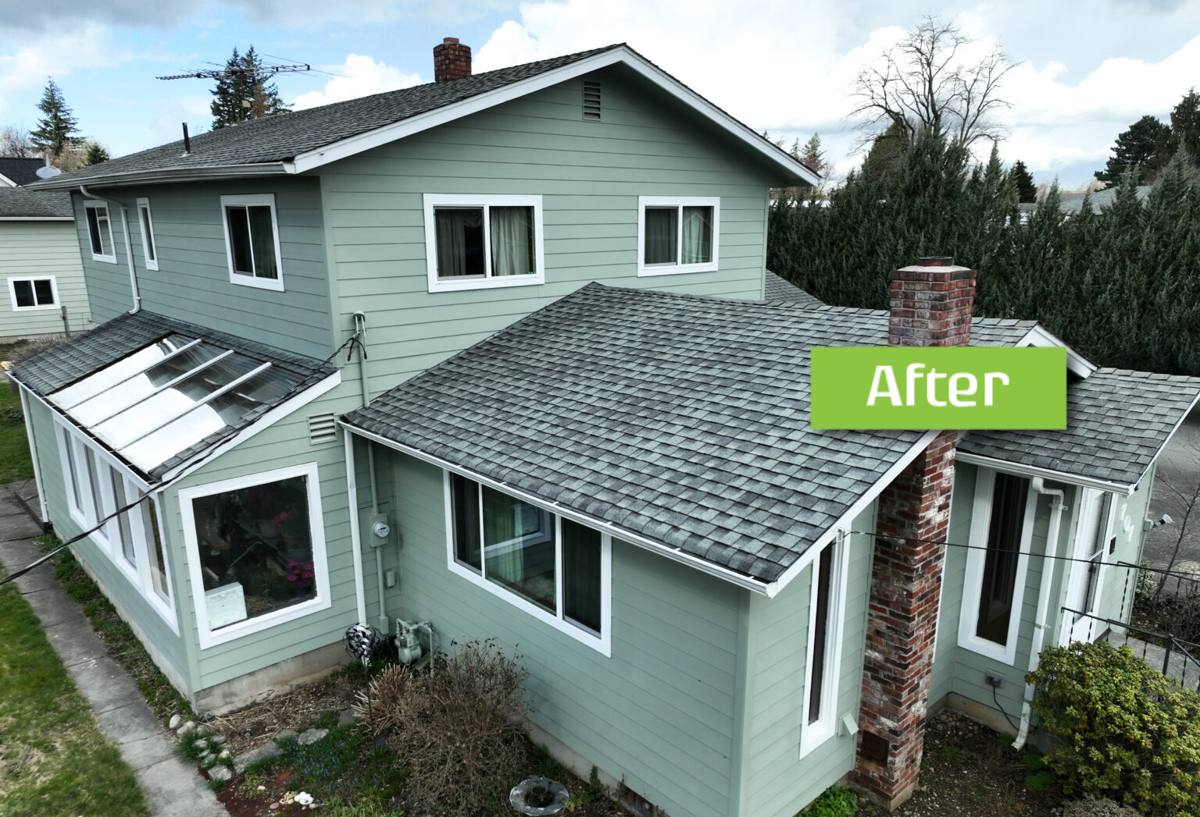
Why Metal Roofing Suits Capitol Hill Specifically
Metal isn't the right fit for every home or every budget, and we'll say so honestly during an estimate. But for Capitol Hill's mix of older single-family houses, denser infill homes, and multi-family buildings, metal roofing solves several problems at once:
- Moss resistance: Moss needs a surface it can grip and hold moisture against. A smooth, properly sealed metal panel gives it far less to hold onto than shingle roofing, which cuts down on the growth that eats away at organic roofing materials year after year.
- Steep water shedding: Many of Capitol Hill's older Craftsman and Victorian-era homes have steeper roof pitches, which pairs well with metal's fast water shedding — less standing moisture means less opportunity for algae, moss, and rot to take hold.
- Long service life without repeated tear-offs: On a dense block with limited street access and parking, doing a full roof replacement is disruptive. A well-installed metal roof stretches the years between major projects considerably longer than composition shingle.
- Weight considerations for older framing: Older Capitol Hill homes weren't always framed for heavy roofing loads. Metal is lighter than many people assume, which matters when we're working on original structural framing that's a century old in some cases.
What a Correct Metal Roof Installation Actually Involves
A metal roof is only as good as what's underneath it and how it's fastened down. In a climate like this one, cutting corners on the details below the panels is where roofs actually fail — not in the metal itself.
Underlayment and Moisture Barrier
Given how much moisture Capitol Hill roofs sit under, we install a synthetic, high-temperature underlayment rated for the panel system going on top, with self-adhered ice-and-water membrane at eaves, valleys, and any low-slope transitions where wind-driven rain is most likely to work its way backward under the panels.
Ventilation
Older homes in this neighborhood often have attic spaces that were never properly vented for modern building science. Metal roofs perform best — and last longest — when the deck underneath can breathe. Without it, condensation builds up on the underside of the panels, which leads to deck rot that has nothing to do with the roofing material itself and everything to do with what's trapped beneath it.
Fastening and Flashing
This is where galvanic corrosion becomes a real concern near marine air. Fasteners, flashing, and trim all need to be metallurgically compatible with the panel system — mixing incompatible metals in a salt-influenced climate accelerates corrosion at exactly the points where the roof is most vulnerable: penetrations, valleys, and edges.
Panel Seams and Penetrations
Every chimney, vent stack, and skylight is a potential entry point for water. We flash these with the same attention we give the field of the roof, because a roof that's 98% correct usually fails at the 2% someone rushed.
Choosing a Panel System
Not all metal roofing is the same product wearing different colors. The panel style changes how the roof performs, how it looks, and what it costs.
| Panel Type | Best For | Trade-Offs |
|---|---|---|
| Standing Seam | Steep-pitch homes, visible rooflines, long-term low maintenance | Higher upfront cost; requires experienced installation for concealed fasteners to stay watertight |
| Exposed Fastener Panel | Outbuildings, additions, budget-conscious projects | Fasteners and washers age faster and need periodic inspection; more visible seams |
| Metal Shingle / Shake Profile | Homes wanting a traditional look with metal's durability | More seams and fastening points than standing seam; installation quality matters even more |
For most Capitol Hill homes dealing with heavy moisture and moss pressure, we lean toward standing seam because the concealed fastener system gives water the fewest places to get in — but the right choice depends on the roof's pitch, the home's style, and the budget you're working with. We'll walk through the honest trade-offs during your estimate rather than push one system across the board.
Coatings and Finishes That Matter Here
The paint finish on a metal panel does real work beyond appearance in this climate. Premium PVDF (often called Kynar 500) finishes hold their color and chalk resistance far longer under UV and moisture exposure than lower-grade SMP coatings, which matters when a roof is going to spend a decade or more under Seattle's gray, damp skies. We'll go over finish options and their expected performance so you're choosing based on what actually holds up here, not just what looks good on a sample chip.
Problems We Commonly Find on Capitol Hill Roofs
Working this neighborhood regularly, we see the same handful of issues repeat across different homes:
- Moss and organic buildup in valleys and behind chimneys where debris collects and moisture lingers longest
- Corroded fasteners on older exposed-fastener metal roofs that were never re-torqued or replaced on schedule
- Undersized or blocked attic ventilation trapping condensation against the roof deck
- Flashing that was caulked instead of properly formed and integrated, which fails within a few years in this rain pattern
- Tree debris accumulation from the neighborhood's mature canopy holding moisture against the roof surface long after a storm has passed
None of these are unique to metal roofing — they show up on shingle roofs too — but metal makes some of them, particularly moss and organic growth, much easier to prevent going forward.
Our Process
1. On-Site Inspection and Honest Assessment
We look at the existing roof, the attic and ventilation situation, the framing, and any access constraints specific to your lot before recommending anything. If metal isn't the right call for your home or budget, we'll tell you.
2. Detailed Proposal
You'll get a clear breakdown of panel type, underlayment, flashing details, and finish options — no vague line items.
3. Tear-Off and Deck Prep
We remove the old roofing, inspect the deck for rot or damage, and replace any compromised sheathing before anything new goes down. Skipping this step is one of the most common ways a new roof fails early.
4. Installation
Underlayment, ice-and-water membrane at vulnerable points, panels, and flashing go in following manufacturer specifications and fastening schedules — not shortcuts to save a day of labor.
5. Cleanup and Walkthrough
On a dense Capitol Hill lot, job site cleanup matters as much to your neighbors as it does to you. We clear debris, sweep for stray fasteners with a magnetic sweeper, and walk the finished roof with you before we consider the job done.
Living With a Long Moss Season
Metal roofing cuts down on moss dramatically compared to shingle roofing, but "resistant" isn't "immune," especially under heavy tree cover. A little seasonal attention keeps a metal roof performing the way it's supposed to for decades.
- Clear gutters and valleys of leaf and needle debris at least twice a year, more often under heavy tree cover
- Rinse visible moss or algae buildup with plain water and a soft approach — avoid pressure washing, which can damage panel finishes and force water under seams
- Have flashing and fastener points inspected every few years, particularly on exposed-fastener systems
- Trim back overhanging branches where practical to reduce debris load and shade-driven moisture retention
- Address any granular debris buildup on low-slope sections promptly, since standing debris holds moisture longer than open panel areas
Why a Crew That Already Works Capitol Hill Matters
Capitol Hill isn't a typical suburban job site. Lots are tight, street parking is limited, many homes sit close together, and some pockets of the neighborhood carry historic-designation considerations that can affect what exterior changes are approved. A crew that regularly works this neighborhood already understands how to stage materials and equipment without blocking a narrow street, how to coordinate around close-set homes and shared walls, and what to check on when a home may fall under additional design review. That local familiarity translates into fewer surprises, less disruption to you and your neighbors, and a roofing job that accounts for the realities of King County's older urban housing stock rather than treating your home like a blank suburban lot.
If you're weighing metal roofing for your Capitol Hill home, we're happy to take a look and give you a straight assessment — what your roof actually needs, what it doesn't, and what it would cost to do right. Reach out for a free, no-pressure estimate using the form below.