 King County
 Mercer Island's Climate Is Harder on Decks Than It Looks
Mercer Island sits surrounded by Lake Washington, and that changes how a deck ages here compared to a dry, sun-exposed lot elsewhere in King County. Many Mercer Island properties have mature tree canopy and lake-facing exposure that keeps decking damp longer after a storm than homes just a few miles inland. Add in the long stretch of driving rain that Western Washington sees from fall through spring, and a deck here is rarely given a full chance to dry out between weather systems.
That combination — shade, lake humidity, and a moss season that can run six months or more in the wetter parts of King County — is what actually breaks decks down. It's rarely one dramatic event. It's water sitting where it shouldn't, month after month, working into seams, fastener holes, and the joint where the deck meets the house.
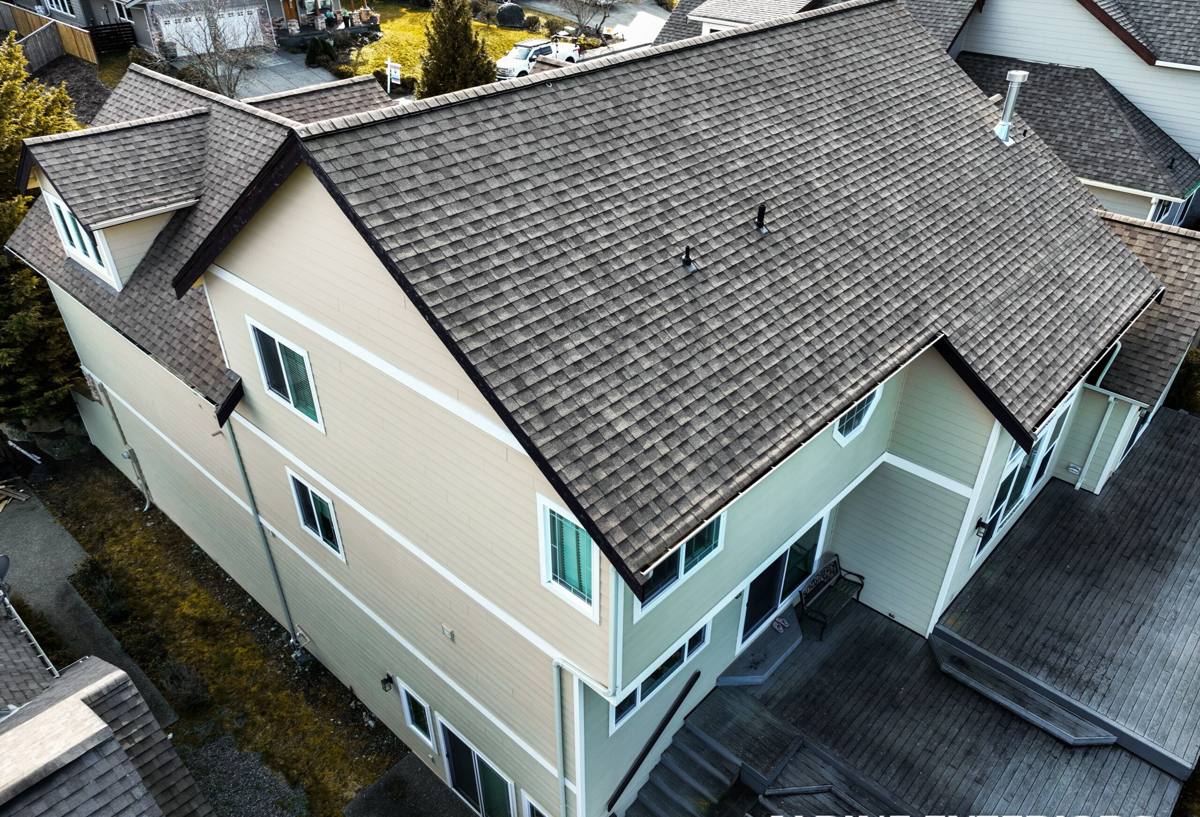
How to Tell a Deck Needs Repair, Not Just a Cleaning
A pressure wash and a fresh coat of stain can make a tired deck look presentable while hiding problems underneath. Before you spend money on cosmetics, check for the signs that mean the deck actually needs repair work.
- Boards that feel soft, spongy, or flex more than the boards around them
- Rust streaks or popped fastener heads on older screws and nails
- A gap, dark staining, or soft wood where the deck framing meets the house (the ledger board)
- Railing posts or stair stringers that wobble when you push on them
- Persistent moss or algae in the same spots even after cleaning
- A musty smell coming from underneath the deck
Any one of these on its own might be a minor fix. Several together usually means water has been getting into the structure for a while, and it's worth having someone look underneath before deciding what's needed.
What a Correct Deck Repair Actually Involves
Start With the Structure, Not the Surface
A repair that only replaces the boards you can see isn't a repair — it's a cosmetic fix on top of an unknown problem. A correct job starts by checking the framing: joists, beams, posts, and especially the ledger board where the deck attaches to the house. That connection is the single most common source of hidden rot on Pacific Northwest decks, because it's where water collects and where flashing details from the original build are most often skipped or done poorly.
Hardware Matters as Much as Lumber
Fasteners and connectors that aren't rated for long-term wet exposure will corrode faster here than in a drier climate. Part of a proper repair is replacing failing hardware with galvanized or stainless connectors suited to sustained moisture, not just swapping in whatever matches what was there originally.
Decking Replacement vs. Resurfacing
Sometimes only a handful of boards need to come out. Other times the boards are fine but the framing underneath needs attention first — and it makes little sense to lay new decking over framing that hasn't been checked. We look at both together before recommending a scope of work.
Rail and Stair Code Compliance
Older decks were often built to standards that have since changed. A repair is a good opportunity to check that railing height, baluster spacing, and stair construction meet current code, especially if the deck is being opened up anyway.
Repair or Replace? Cost Factors to Weigh
Homeowners often ask us to just tell them which is "better." The honest answer depends on a few specific factors, not a blanket rule.
| Factor | Leans Toward Repair | Leans Toward Replacement |
|---|---|---|
| Framing condition | Solid, only surface issues | Rot at ledger, joists, or posts |
| Deck age | Under 12-15 years | Original structure decades old |
| Extent of damage | Localized to a few boards or one area | Widespread across the deck |
| Code compliance | Rails and stairs already meet current code | Multiple code issues found during inspection |
| Budget and timeline | Want a lower-cost, faster fix now | Want to reset the clock and avoid repeat repairs |
We'll give you a straight answer on which side of that table your deck falls on, including the cases where a repair now is the smarter move and a full replacement can wait.
Common Problems We Find on Mercer Island Decks
A few patterns show up repeatedly on decks around the island:
- Moss trapped between boards — on shaded, lake-facing decks, moss holds moisture against the wood far longer than open, sunny decks elsewhere in King County ever see
- Ledger board rot — the joint where the deck meets the house, especially on decks built without proper flashing behind the ledger
- Corroded original fasteners — older galvanized coatings that have broken down after years of damp exposure under moss and debris
- Slow-drying framing under heavy tree cover — mature landscaping is part of what makes Mercer Island desirable, but it also means less sun reaching the deck to dry it out between rains
- Pre-code fastener spacing and hardware — decks built before current connector standards, which is common on older island homes
Our Deck Repair Process
- On-site inspection of the decking, framing, ledger connection, and railings
- Straightforward assessment of what's causing the problem, not just what's visible on top
- Written scope of work with repair options and honest pricing, no pressure to upsell to full replacement if repair is sound
- Permit check — because Mercer Island is its own incorporated city, permit requirements for structural deck work go through the City of Mercer Island rather than unincorporated King County, and we'll flag upfront if your repair falls into that category
- Repair work: framing and hardware first, then decking, railings, and stairs
- Site cleanup and a walkthrough so you know exactly what was done and what to watch for going forward
Material Choices When Repairing
What you repair with should match the deck it's going onto, not just whatever's trending.
Matching Existing Wood
For a wood deck in otherwise good shape, repairing with cedar or treated fir that matches the existing structure is usually the most cost-effective path, and it lets the repair blend in as it weathers.
Composite Decking Repairs
Composite boards can be a good long-term surface, but repairing a composite deck section without first confirming the framing underneath is sound is a mistake we won't make. Composite hides moisture problems in the framing better than wood does, since the boards themselves don't show rot the way wood telegraphs it. Our standard is to inspect the structure before any composite repair or resurfacing, even if it adds a step — replacing boards over a compromised frame just means redoing the work later.
Why We're Careful About Full Overlay Systems
Some repair approaches involve capping or overlaying existing decking rather than removing it. That can work in the right situation, but it also traps whatever moisture is already in the old boards underneath. We'll tell you plainly when an overlay is a reasonable option and when it's just delaying a problem that will resurface, particularly in a climate as wet as King County's.
After the Repair: Keeping Moss and Moisture From Coming Back
A repair only holds up if the deck is maintained afterward. A few habits go a long way in a climate like this one:
- Sweep debris and clean out gaps between boards before the wet season sets in each fall
- Keep gutters and downspouts clear so roof runoff isn't draining onto or under the deck
- Trim back overhanging branches and vegetation to let more air and light reach the deck surface
- Reseal or restain wood decking on the schedule your finish requires, not just when it looks faded
- Check the ledger board flashing once a year for gaps or staining
- Address small soft spots or loose fasteners immediately rather than waiting for the next full inspection
Why Hire a Crew That Already Works Mercer Island
Deck repair on Mercer Island isn't the same job as deck repair on a dry, open lot elsewhere in the county. A crew that regularly works the island already knows how shaded, lake-adjacent lots behave differently — where moss builds up fastest, which framing details tend to fail first on older homes, and how to work with the City of Mercer Island's permitting process without it slowing your project down. That familiarity means fewer surprises once we open up the deck, and a repair plan built around how the wood actually failed here, not a generic checklist.
If your deck has soft spots, moss that won't quit, or just doesn't feel as solid as it used to, we're happy to take a look. Reach out for a free, no-pressure estimate — fill out the form below and we'll walk through what we find and what your real options are.