 King County
 Composite Decking Built for Fremont's Weather, Not Against It
Fremont sits in one of the wetter, greener corners of King County, and that combination is hard on outdoor structures. Long stretches of driving rain, heavy shade from mature trees on older lots, and a moss season that can run most of the year all work against a deck that isn't built with drainage and airflow in mind. Add in the salt air that moves through the broader Puget Sound region and settles into hardware and connectors over time, and you have a climate that punishes shortcuts. Composite decking handles this environment better than most materials, but only when it's installed correctly. The board itself is only part of the equation — what's underneath it and how it's fastened matter just as much.
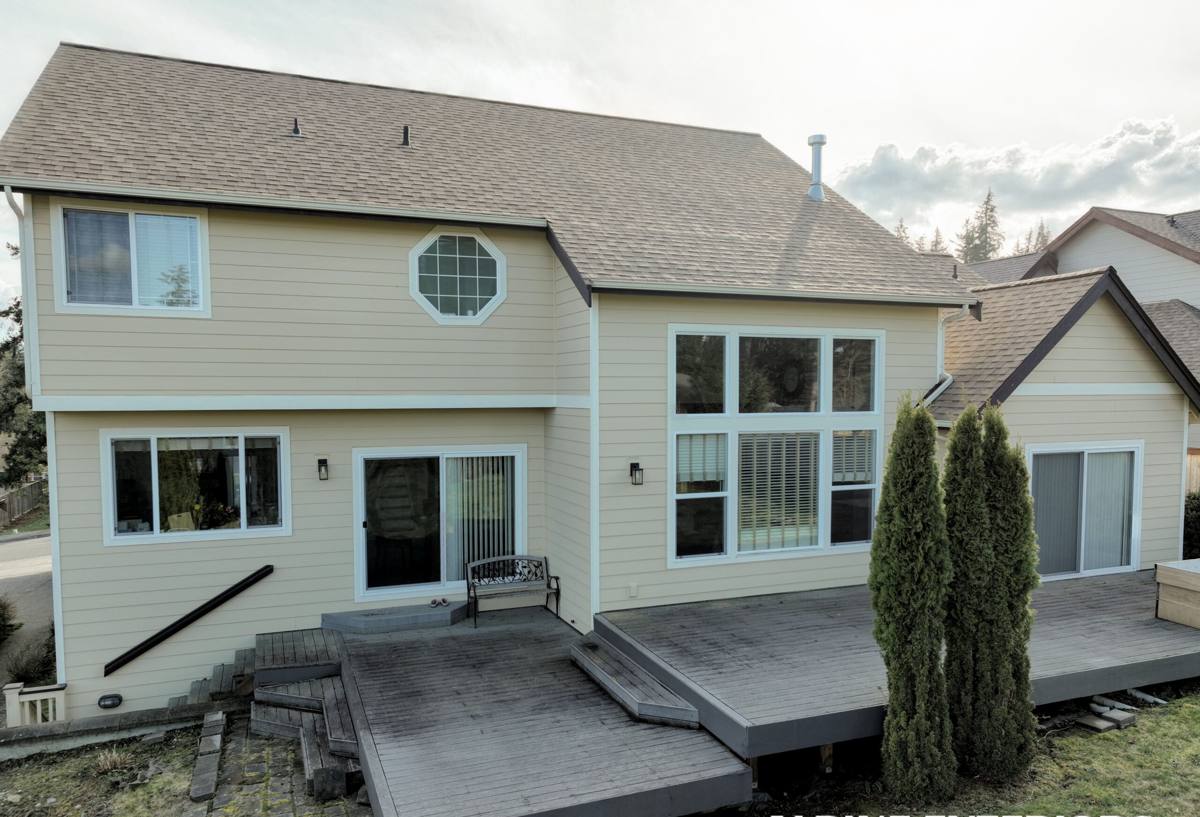
Why Composite Makes Sense for This Neighborhood
Fremont's housing stock is a mix of older craftsman bungalows on sloped lots and newer infill homes, many with limited yard space where the deck does double duty as the main outdoor living area. In that setup, a deck gets used hard and needs to look decent with minimal upkeep. Composite decking doesn't need annual staining or sealing, doesn't splinter, and resists the moisture absorption that causes wood to cup, crack, or host moss growth on its surface. For homeowners who want to spend weekends using the deck instead of maintaining it, that's the main draw.
That said, composite isn't maintenance-free — it's maintenance-different. It still needs airflow underneath, proper slope for drainage, and periodic cleaning to keep organic growth from taking hold in a climate this damp. Anyone who tells you composite decking is a "set it and forget it" product in King County isn't being straight with you.
Where Composite Struggles If It's Installed Wrong
Most composite deck complaints we see in this region trace back to installation, not the product. Boards installed too tight without accounting for expansion, framing that doesn't shed water, or a lack of ventilation underneath the deck all create conditions where moss, mildew, and moisture staining show up faster than they should. The material is engineered to resist rot, but it still needs a dry, ventilated cavity underneath it — trapped moisture and organic debris will find the path of least resistance, and in Fremont's climate that path shows up quickly.
What a Correctly Built Composite Deck Involves
A composite deck is a system, not just a surface. Getting it right in this climate means paying attention to a handful of details that don't show up in a marketing photo:
- Substructure spacing: Joist spacing has to match the specific composite product's span rating — composite flexes differently than wood, and manufacturers publish exact requirements for a reason.
- Ledger flashing: Where the deck attaches to the house, flashing has to direct water away from the wall assembly, not just sit there. This is the single most common failure point we find on older decks in wet climates.
- Ventilation underneath: Skirting or enclosed deck areas need vents or gaps so air can move and moisture doesn't sit trapped against the framing.
- Fastener selection: Hidden fastener systems, screws, and structural connectors all need to be corrosion-resistant hardware rated for coastal and marine-grade exposure — standard hardware corrodes faster with the salt content in this region's air.
- Board gapping: Composite boards expand and contract with temperature more than people expect. Gapping has to account for that or boards will buckle or leave gaps that trap debris.
Composite vs. Other Decking Materials for This Climate
Homeowners in Fremont usually compare composite against pressure-treated wood, cedar, or PVC. Each has real tradeoffs, and we'd rather walk you through them honestly than push whatever has the best margin.
| Material | Upfront Cost | Maintenance | Moisture & Moss Resistance | Typical Lifespan |
|---|---|---|---|---|
| Pressure-Treated Wood | Lowest | Annual cleaning, periodic staining/sealing | Fair — absorbs moisture, prone to moss without upkeep | 10-15 years |
| Cedar | Mid | Regular sealing to hold color and resist checking | Fair to good, but softens over time in wet shade | 12-20 years |
| Composite | Mid to High | Periodic washing, no staining/sealing | Good, provided ventilation and drainage are correct | 25-30 years |
| PVC/Capped Polymer | Highest | Lowest — occasional washing | Very good moisture resistance | 25-30+ years |
Composite lands in the middle for most Fremont homeowners: less upkeep than wood, less upfront cost than full PVC, and enough moisture resistance to hold up to this region's rain and moss pressure when it's installed with proper drainage and airflow. Where a lot is heavily shaded or a deck sits low to the ground with poor airflow, we'll tell you that directly rather than let a product choice paper over a design problem.
Our Installation Process
- Site walk and drainage assessment. We look at slope, shade, existing moisture damage, and how water currently moves around the deck area before recommending a layout.
- Framing inspection or rebuild. If existing framing shows rot, undersized joists, or missing flashing, we address that before a single composite board goes down — a new deck surface on bad framing just hides the problem.
- Ledger and flashing work. Where the deck meets the house, we install flashing that actually sheds water away from the siding and framing, not just fasteners through a board.
- Framing layout to spec. Joist spacing, blocking, and fastening follow the composite manufacturer's engineering requirements for the specific board being installed.
- Ventilation planning. Skirting, vents, or gapped fascia are built in from the start so the cavity underneath the deck can breathe.
- Board installation. Hidden fastener systems or approved screws go in with correct gapping for thermal movement, along with corrosion-resistant hardware throughout.
- Final walkthrough. We check for level, drainage, fastener finish, and go over basic seasonal cleaning with you before we consider the job done.
Fasteners, Framing, and Hardware Details That Actually Matter Here
It's easy to overlook hardware, but in a region where salt-laden air and constant moisture are both present, it's often the first thing to fail. Standard zinc-coated screws and brackets can start showing rust streaks on a deck surface within a few years in this climate. We spec stainless or otherwise corrosion-rated fasteners and structural connectors for composite installs specifically because replacing a corroded bracket means pulling up boards — it's far cheaper to use the right hardware once than to fix streaking or structural loosening later.
The same logic applies to any metal flashing, post bases, or joist hangers used in the build. If a component touches both moisture and air in this region, it needs a rating that reflects that exposure, not just a generic exterior-grade label.
Living With a Composite Deck in a Wet, Mossy Climate
Composite decking cuts down maintenance significantly compared to wood, but "low maintenance" in Fremont still means paying attention a couple of times a year. A simple seasonal routine keeps a properly built composite deck performing the way it's supposed to:
- Sweep off leaves, needles, and organic debris regularly, especially in fall and under tree cover — trapped debris holds moisture against the board surface.
- Rinse the deck surface periodically to clear pollen, dirt, and the early film that turns into moss or algae if left alone.
- Check that gaps between boards stay clear so water can drain through rather than pool on the surface.
- Look under the deck once or twice a year to confirm vents aren't blocked by plant growth, stored items, or debris buildup.
- Address any standing water or slow drainage near the deck promptly — it's usually a grading issue, not a deck issue, but it will affect the deck over time.
- Have fastener and framing connections inspected every few years, particularly on older installs that may not have used corrosion-rated hardware.
Permits and Practical Considerations in King County
Depending on the deck's height, size, and attachment to the home, permitting requirements can apply. On the sloped and sometimes tight lots common in Fremont, setback rules and existing grade also factor into what's feasible before design work even starts. We handle the permitting conversation as part of the project rather than leaving homeowners to figure out local requirements on their own, and we're upfront early if a lot's layout will require design adjustments before construction can begin.
Why Hiring a Crew That Already Works Fremont Matters
A lot of composite deck problems in this region come from crews that build the same way regardless of where the job is. That approach works fine in a dry climate and creates problems here. A crew that regularly works King County's wetter neighborhoods already accounts for drainage, ventilation, and hardware corrosion as a standard part of the build — not as an upsell or an afterthought once something starts to fail. That familiarity with local conditions, plus knowing how Fremont's older framing and sloped lots typically behave, tends to show up in fewer callbacks and a deck that still looks and performs well well past year one.
If you're weighing composite decking for a home in Fremont, we're happy to take a look at your space, talk through what your specific lot and layout need, and give you a straightforward, no-pressure estimate. There's a form below to get that conversation started.