 King County
 Why Kent Roofs Wear Out Faster Than the Shingle Wrapper Promises
Every asphalt shingle bundle carries a manufacturer's rated lifespan, but that number comes from lab testing, not from a Puget Sound winter. In King County, roofs deal with a specific combination of stressors: long stretches of driving rain, damp marine air moving in off the Sound, wide swings between soggy winters and dry summer heat, and a moss and algae season that can run most of the year in shaded, north-facing sections of a roof. None of these factors are dramatic on their own. Together, over ten or fifteen years, they shorten the useful life of a roofing system well below what the packaging suggests.
Kent homes see this show up in predictable ways — granule loss on older shingles, moss colonies gaining a foothold in shaded valleys and under tree cover, and slow moisture intrusion at flashing points that were never quite sealed right the first time. A correctly installed roof handles all of this. A roof installed to minimum code, with shortcuts on underlayment or flashing, will show its age early.
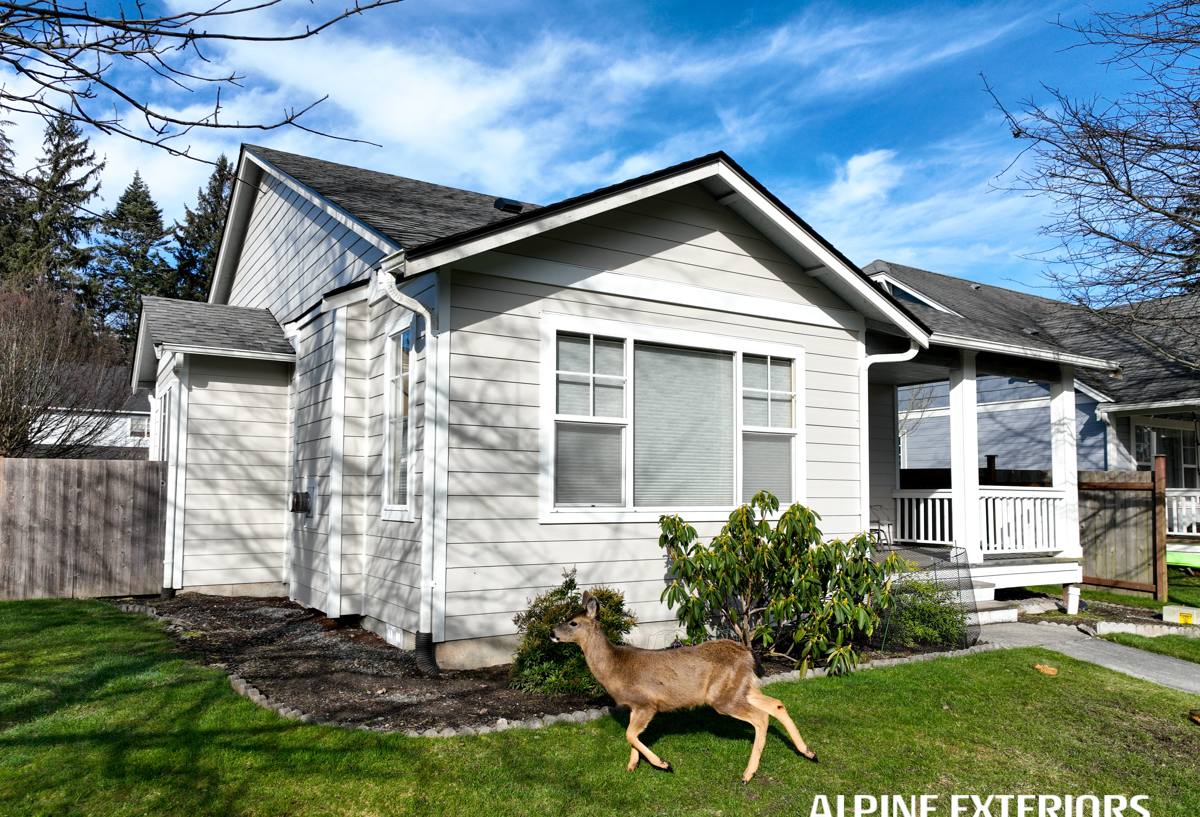
Signs a Kent Home Is Ready for a New Roof
Roofs rarely fail all at once. They give warnings first. Some of the more reliable signs we look for on a roof inspection in this area:
- Shingles that are cupping, curling at the edges, or missing granules in patches
- Moss or algae streaking that keeps coming back within a season or two of cleaning
- Soft spots in the decking when walked, or visible sagging along a roof plane
- Daylight visible through the attic roof deck, or damp insulation below it
- Rust, cracking, or gaps at flashing around chimneys, skylights, and vent pipes
- Granules collecting in gutters and downspouts after normal rain, not just storms
- A roof that's already had multiple patch repairs in different spots over a few years
One or two of these can often be handled with a repair. Several at once, especially combined with a roof that's already past 18–20 years old, usually means replacement is the more honest recommendation — patching an aging roof repeatedly ends up costing more over time than doing the job right once.
What a Correct New Roof Installation Actually Involves
A new roof is more than shingles nailed to a deck. The parts homeowners don't see are what determine whether the roof performs for its full rated life in a wet climate like ours.
Tear-Off and Deck Inspection
We remove the old roofing down to the deck rather than layering over it. This lets us actually see the plywood or OSB underneath, replace any sections that are soft, delaminated, or water-stained, and confirm the deck is properly nailed before anything new goes down. Roofing over a compromised deck just hides a problem that gets worse.
Underlayment and Water Protection
Underlayment is the roof's real waterproofing layer — shingles shed most of the water, but underlayment is what protects the deck from wind-driven rain and the moisture that works its way under shingles during a storm. We pay particular attention to eaves, valleys, and any low-slope sections, since those areas take the most water over the life of the roof.
Flashing and Penetrations
Chimneys, skylights, vent pipes, and roof-to-wall transitions are where the large majority of roof leaks actually start — not out in the open field of shingles. New, properly installed flashing at every penetration is not optional on our jobs, even when it would be cheaper and faster to reuse what's already there.
Ventilation
A roof deck that can't breathe traps moisture, which shortens shingle life from underneath and can contribute to the kind of damp attic conditions that encourage mold. We check intake and exhaust ventilation as part of every new roof and correct it when it's inadequate, which is common on older King County homes built before current ventilation standards.
Roofing Material Options for King County Homes
Material choice matters less than correct installation, but it still affects maintenance, appearance, and how a roof handles our climate specifically. Here's how the common options compare for a home in this area.
| Material | Typical Lifespan | How It Handles Our Climate | Maintenance |
|---|---|---|---|
| 3-Tab Asphalt Shingle | 15–20 years | Adequate but least wind- and moisture-resistant of the shingle options | Moderate; shows moss and wear earlier |
| Architectural (Laminate) Shingle | 25–30 years | Heavier profile handles wind and rain better; the standard we recommend for most homes | Moderate; benefits from periodic moss treatment |
| Standing Seam Metal | 40–50+ years | Sheds moss and rain very effectively; performs well in wind | Low; higher upfront cost |
| Cedar Shake | 20–30 years with upkeep | Traditional look, but requires diligent maintenance to manage moisture and moss in a wet climate | High; not what we recommend without a firm maintenance commitment |
We install architectural shingles on most Kent homes because they give the best balance of durability, cost, and appearance for our conditions. Metal is a strong option for homeowners planning to stay long-term and wanting to minimize moss and maintenance. We're upfront that cedar shake, while attractive, asks a lot of a homeowner in terms of upkeep in a climate this wet — that's a maintenance-burden conversation we have honestly, not a knock on the material itself.
Our New Roof Installation Process, Start to Finish
- Inspection and estimate. We walk the roof and attic, document the condition, and give a written estimate with material options — no pressure, no inflated urgency.
- Material selection. We go over shingle or metal options, color, and warranty terms so you know exactly what's going on the house before work starts.
- Permitting. We handle the local permit paperwork required for the reroof so you don't have to navigate it yourself.
- Scheduling around weather. Roofing in King County means watching the forecast closely; we schedule tear-off days to minimize the window your home is exposed.
- Tear-off and deck repair. Old roofing comes off, the deck is inspected, and any damaged sections are replaced before new materials go on.
- Underlayment, flashing, and shingle installation. Installed in the sequence and to the spec that gives you the roof's full rated performance.
- Cleanup and magnetic sweep. Full site cleanup, including a nail sweep of the yard and driveway.
- Final walkthrough. We go over the finished roof with you before calling the job complete.
What Drives the Price of a New Roof in Kent
Roof pricing depends on real, specific factors, not a flat per-square rate. Broadly, a full asphalt shingle replacement on an average King County home runs in the mid-to-upper five figures, with metal roofing priced higher and smaller or simpler roofs priced lower. The exact number depends on:
| Factor | Why It Matters |
|---|---|
| Roof size and number of stories | More square footage and steeper access both add labor time |
| Roof pitch and complexity | Multiple valleys, dormers, and roof planes take more time and material than a simple gable |
| Deck condition | Rotten or soft decking found during tear-off requires replacement before roofing can continue |
| Material choice | Architectural shingle, metal, and cedar carry different material and labor costs |
| Layers of existing roofing | Multiple old layers mean more tear-off labor and disposal |
| Access and disposal logistics | Tight lots or limited driveway access can affect dumpster placement and staging |
We give a firm written estimate after seeing the actual roof, not a phone-quote guess. If we find something during tear-off that changes the scope — like unexpected deck rot — we stop and talk to you before proceeding, not after.
After the Install: Moss, Drainage, and Keeping a New Roof New
A new roof still lives in the same climate that wore out the old one. A few habits make a real difference in how long it stays looking and performing like new:
- Keep gutters and downspouts clear — clogged gutters back water up under the roof edge, which is a common source of edge rot even on newer roofs
- Trim back overhanging branches where practical; shade and debris are what feed moss growth
- Have moss treated before it establishes a thick mat, not after — early treatment is simple, established moss can lift shingle edges
- Schedule a periodic roof check rather than waiting for a visible leak inside the house
- Avoid pressure washing shingles directly — it strips granules and shortens shingle life; soft-wash or manual moss removal is the safer approach
None of this is complicated, but it's the difference between a roof that comfortably reaches its full rated lifespan and one that needs early attention because moisture and moss got a head start.
Why a Crew That Already Works Kent Matters
Roofing crews that work all over the region, or come in from out of the area for a single job, don't always carry the same familiarity with local permitting steps, typical King County home construction from different eras, or how quickly weather can turn on a job site here. A crew that regularly works Kent and the surrounding King County communities knows how to sequence a tear-off around our rain patterns, what deck and framing issues tend to show up in homes of different ages in this area, and how to get permitting handled without it becoming your problem to manage. That local pattern-recognition is part of what keeps a reroof on schedule and free of surprises.
It also means we're not disappearing after the invoice is paid. If a question comes up two years down the road, we're still working in the same neighborhoods and easy to reach.
Get a Straightforward Roof Estimate
If your roof is showing its age, or you just want an honest read on how many years it has left, we're happy to take a look. The estimate is free, there's no pressure attached to it, and we'll tell you plainly if a repair makes more sense than a full replacement. Use the form below to get started.