 King County
 Deck Building in Rainier Valley
Rainier Valley has some of the most varied lot conditions in Seattle — sloped yards, mature tree cover, older homes with additions and outbuildings added over the decades, and a housing stock that ranges from early-1900s bungalows to newer infill construction. A deck built for this neighborhood has to work with that variety, not fight it. It also has to survive a Pacific Northwest wet season that runs long and doesn't let up gradually — it just stops raining for a while in summer, then starts again.
This page covers what actually goes into building a deck that holds up here: the climate factors that matter, the structural details that separate a deck that lasts from one that doesn't, how we approach a project from first visit to final walk-through, and what to look for in any contractor bidding this kind of work.
What King County's Climate Does to a Deck
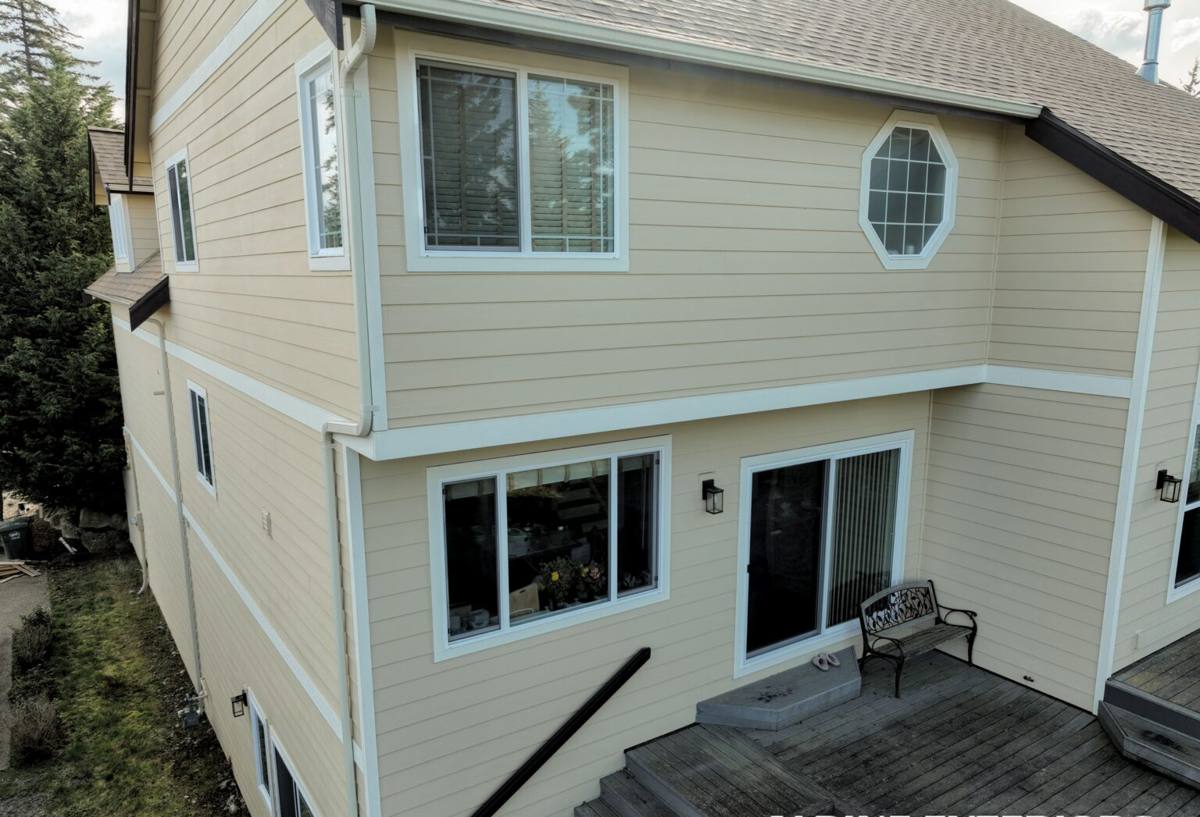
Western Washington's climate is defined by long stretches of low-intensity rain rather than short heavy storms, and that changes how a deck fails. Water doesn't just run off — it sits, soaks, and works its way into any gap, seam, or fastener hole that isn't properly sealed. Add a long moss and algae season, where shaded or north-facing sections of a deck can stay damp for weeks at a time, and you get a specific set of failure points that show up again and again in King County decks:
- Ledger board rot where the deck attaches to the house, if flashing wasn't installed correctly at the time of construction
- Moss and algae buildup on boards and stair treads, which holds moisture against the wood and creates a slip hazard
- Fastener corrosion from years of standing moisture, especially with hardware that wasn't rated for exterior or coastal-influenced conditions
- Soft or spongy decking where boards were never properly gapped for drainage and airflow underneath
- Footing movement in yards with poor drainage or expansive soil that shifts through repeated wet-dry cycles
None of this is unique to Rainier Valley, but it's a bigger factor here than it would be in a drier climate — and closer to Puget Sound and Lake Washington, salt-influenced air adds another layer of wear on metal hardware and fasteners. The building approach has to account for all of it from the start, not get patched in later.
Choosing the Right Decking Material
There's no single "best" decking material — the right choice depends on budget, how much upkeep you're willing to do, and how the deck will be used. Here's how the common options compare for a King County home:
| Material | Upfront Cost | Maintenance | Notes for This Climate |
|---|---|---|---|
| Pressure-treated wood | Lowest | Annual cleaning and periodic sealing | Needs consistent upkeep or it will gray, split, and hold moss faster than other options |
| Cedar | Moderate | Regular sealing to maintain color and resist moisture | Naturally moisture-resistant but still needs maintenance in a wet climate to look its best |
| Composite decking | Higher | Occasional washing, no sealing or staining | Resists moisture damage well; some early composite products had issues with moisture retention that newer formulations have addressed |
| PVC/capped composite | Highest | Lowest — occasional washing | Fully sealed surface handles standing moisture and moss growth best of any option, at the highest material cost |
We'll walk through these trade-offs honestly during a consultation. A lower-maintenance material costs more upfront but saves real time and money over the life of the deck — that math is worth doing before you decide, not after.
Why We're Selective About Which Products We Install
Not every decking product on the market gets our recommendation. Some composite and PVC lines have installation requirements that are unforgiving of shortcuts — gapping, ventilation, and fastening all have to be done to spec or the warranty and the performance both suffer. Our standard is to install products we can stand behind in this specific climate, with installation methods that match the manufacturer's requirements exactly. If a product has known moisture-sensitivity or sensitivity to our fastening or ventilation standards, we'll tell you that directly and recommend an alternative rather than install something we don't trust to perform here.
The Structural Details That Actually Matter
The decking surface is what you see, but it's not what keeps a deck safe and standing. The structural work underneath is where most long-term problems either get prevented or get built in permanently.
Ledger Attachment and Flashing
Where a deck attaches to the house, proper flashing is non-negotiable. This is the single most common point of failure we see in older decks — water gets behind the ledger board and rots both the deck framing and the house's rim joist behind it. Correct flashing, installed in the right order relative to the house's existing weather barrier, is what prevents this.
Footings and Post Bases
Footings need to be sized and set to local frost depth and soil conditions, with post bases that keep wood posts off standing water. On sloped Rainier Valley lots, this often means engineering footings differently than a flat-lot deck would need.
Joist Spacing and Drainage
Proper joist spacing supports the decking material correctly and allows airflow underneath — critical for keeping the underside of the deck from becoming a permanently damp environment that accelerates rot and feeds moss growth.
Permits and Code
Most deck projects above a certain height or size require a permit through the local building department, and inspections at key stages of construction. This isn't a box-checking exercise — it's a second set of eyes on the structural work that protects you if there's ever a question about the deck's safety or a future home sale.
Our Process
We approach every deck project in Rainier Valley the same structured way:
- Site visit and assessment — we look at your yard's slope, drainage, sun/shade exposure, and how the deck will connect to the house
- Design and material selection — sized and laid out for how you'll actually use the space, with an honest walkthrough of material trade-offs
- Permitting — we handle the permit application and coordinate required inspections
- Construction — footings, framing, flashing, and decking installed in the correct sequence, with attention to the drainage and ventilation details that matter most in this climate
- Final walkthrough — we go over the finished deck with you, including what maintenance it needs and when
We don't skip steps to save time, and we won't quote a deck without seeing the site first — too much of what determines cost and approach depends on your specific lot.
Maintenance: What Your Deck Actually Needs
Whatever material you choose, a King County deck needs some level of seasonal attention to stay safe and look good. Here's the general rhythm:
- Clear leaves and debris regularly through fall, especially between boards where they trap moisture
- Wash down the surface at least once or twice a year to remove moss, algae, and grime before it gets ground in
- Check and reseal wood decking on the manufacturer's recommended schedule — skipping this is the single biggest reason wood decks age poorly here
- Inspect stair treads and high-shade areas more often, since these spots hold moisture longest and get slippery first
- Have fasteners, ledger flashing, and footings checked periodically, especially on decks over eight to ten years old
Why a Rainier Valley-Familiar Crew Matters
A crew that regularly works King County neighborhoods like this one knows the permitting process with the local building department, understands how to read a sloped or tree-covered lot, and has already seen how different decking materials hold up through a full Pacific Northwest wet season — not just how they look on a showroom sample. That experience shows up in decisions that aren't obvious from a bid sheet: where to add extra footing support on soft ground, how much ventilation gap a given board profile actually needs in our humidity, which fastener grade won't corrode prematurely in this climate.
It also matters for the boring-but-important logistics — knowing realistic permit timelines, coordinating inspections without delays, and being available if a warranty or maintenance question comes up after the project is done.
What to Look for When Hiring a Deck Contractor
Whether you hire us or someone else, these are worth checking before signing anything:
- Proper licensing, bonding, and insurance for exterior construction work in Washington
- A written scope that specifies footing depth, flashing method, fastener type, and decking material — not just "build a deck"
- Confirmation that the contractor will pull the required permit and schedule inspections, rather than asking you to skip it
- A clear explanation of why a particular material or method is recommended for your specific site
- Willingness to walk your yard in person before quoting a price
If you're planning a new deck or need an honest look at an existing one, we're glad to come out, walk the site, and give you a straightforward estimate — no pressure, no upsell. Use the form below to get started.