 King County
 Why West Seattle Roofs Wear Differently
West Seattle sits on a peninsula, with much of the neighborhood exposed to weather coming straight off Puget Sound. That exposure changes how a roof ages compared to a home a few miles inland. Salt-laden air corrodes exposed metal faster, driving rain off the water finds its way under loose or aging flashing, and the tree cover on many West Seattle streets keeps roof surfaces shaded and damp for much of the year. None of this means a roof is doomed — it means the maintenance and repair schedule has to account for conditions a generic roofing guide won't mention.
King County's marine climate is wet nearly nine months of the year, but West Seattle adds two variables on top of that: coastal wind exposure and, on many lots, heavy tree canopy that shades roof planes and slows drying time after every rain. That combination is what drives the moss, granule loss, and metal fatigue we see most often on repair calls in this part of the city.
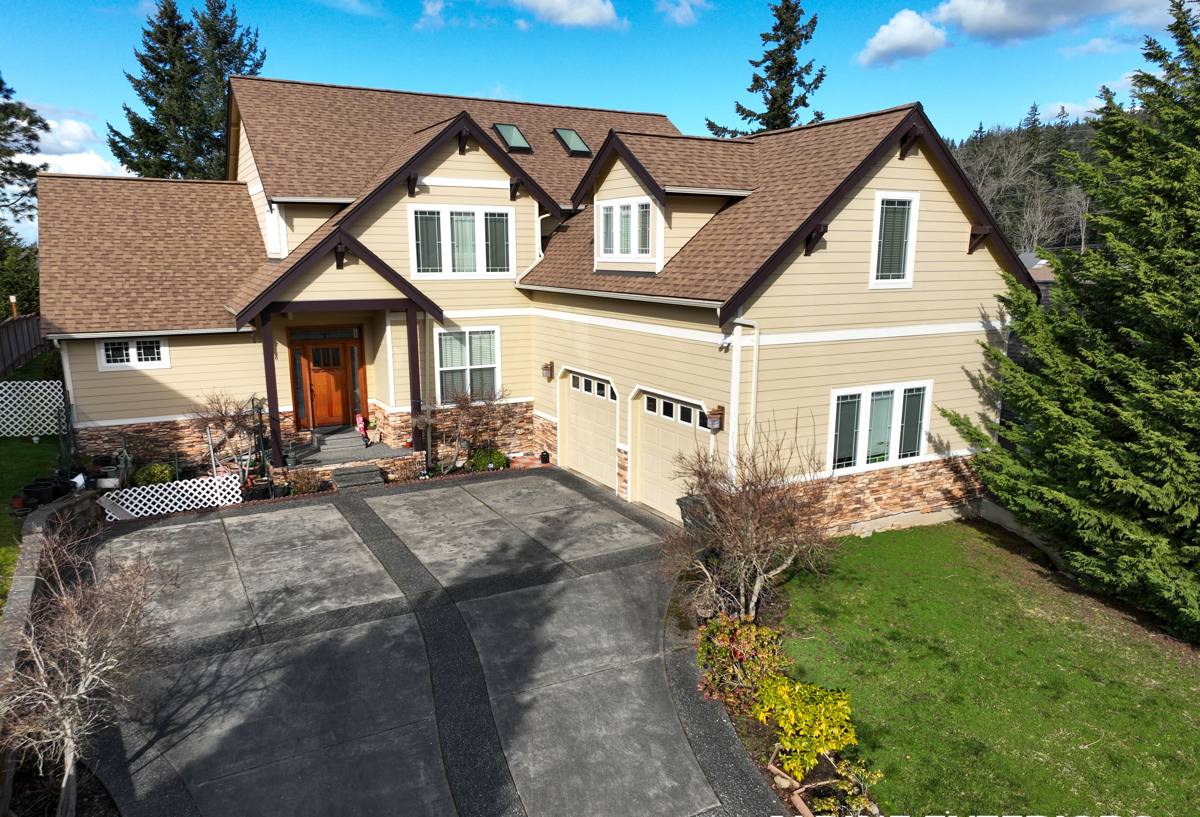
What Salt Air, Rain, and Moss Actually Do to a Roof
Salt Air and Metal Components
Flashing, fasteners, gutters, and vent boots all contain metal, and metal near the water corrodes faster than the same materials inland. Once flashing starts to pit or thin, it stops shedding water the way it's supposed to — and flashing failure, not shingle failure, is the most common cause of roof leaks we find on West Seattle homes.
Driving Rain
Wind off the Sound doesn't just fall on a roof, it pushes rain sideways and up under laps, ridge caps, and flashing edges that would stay dry in a calmer storm. Roofs that were installed correctly for a standard rain event can still leak during a wind-driven storm if the underlayment, ice-and-water membrane at vulnerable points, and flashing details weren't built with that extra wind load in mind.
Moss and Organic Growth
Shaded, moisture-retaining roof sections in West Seattle can grow a visible moss mat within a couple of years if left unchecked. Moss isn't just cosmetic — its root structure holds water against the roofing material, lifts shingle edges, and accelerates granule loss. Left long enough, it can work its way under laps and create a path for water intrusion that has nothing to do with storm damage.
Signs Your Roof Needs Repair — Not a Full Replacement
Not every roof problem in West Seattle means a new roof. Most of the calls we run are legitimate repairs: isolated flashing failures, a section of wind-lifted shingles, a cracked pipe boot, or moss damage limited to one or two shaded planes. Watch for:
- Water staining on an interior ceiling or wall, especially after a windy rainstorm
- Visible moss or dark streaking concentrated on one section of the roof
- Curling, cracked, or missing shingles, particularly on the side of the house that faces prevailing wind
- Rust streaks or visibly corroded flashing around chimneys, skylights, or vent pipes
- Sagging or soft spots near valleys, where water volume is highest during a storm
- Granules collecting in gutters or at downspout outlets
A roof showing one or two of these signs, with the rest of the field in decent condition, is usually a repair candidate. A roof with widespread granule loss, multiple leak points, or structural sag is a different conversation — and an honest contractor will tell you which situation you're in before recommending a path forward.
What a Correct Repair Actually Involves
A roof repair that holds up in West Seattle's weather isn't just patching the spot you can see from the ground. It starts with figuring out where water is actually entering, which is often several feet from where it's showing up inside the house — water travels along rafters and sheathing before it drips.
Diagnosis Before Repair
We inspect the roof surface, the flashing details around every penetration, the attic or roof deck from the inside where accessible, and the surrounding gutters and drainage. Guessing at a leak source and patching the wrong spot is one of the most common reasons homeowners end up paying for the same repair twice.
Matching Materials and Technique
A repair should use materials compatible with what's already on the roof — mismatched metals can accelerate corrosion through galvanic reaction, and mismatched shingle profiles or granule colors stand out and can affect how water sheds at the seam. Flashing gets rebuilt to shed water correctly, not just caulked over.
Ventilation and Moisture Balance
Trapped attic moisture accelerates deck rot and can mimic or worsen leak symptoms. Part of a proper repair assessment includes checking whether the roof's ventilation is doing its job, especially on homes with heavy tree cover where the roof deck stays cooler and damper longer after a rain.
Common West Seattle Repair Types
| Repair Type | Typical Cause | Urgency |
|---|---|---|
| Flashing repair or replacement | Salt air corrosion, age, improper original installation | High — most common source of leaks |
| Wind-lifted or missing shingles | Storm exposure, coastal wind gusts | High — exposed deck leaks fast |
| Moss and organic growth removal | Shade, poor drainage, infrequent maintenance | Moderate — worsens over a season if ignored |
| Pipe boot or vent seal failure | Rubber degradation from UV and age | Moderate to high depending on location |
| Valley or gutter-line leaks | Debris buildup, undersized drainage for rain volume | High during active rain events |
| Localized deck rot | Long-term moisture intrusion from an unaddressed leak | High — structural, needs prompt attention |
Our Repair Process
We keep the process straightforward because most homeowners just want the leak stopped and the roof back to normal without guesswork.
- Inspection. We look at the roof surface, flashing, penetrations, and — where accessible — the underside of the deck to trace the actual water path.
- Honest assessment. We tell you whether it's a targeted repair, a larger repair, or whether the roof's overall condition means a repair isn't the responsible long-term answer.
- Written estimate. Scope and cost before any work starts, with the repair method explained in plain terms.
- The repair itself. Matched materials, rebuilt flashing where needed, and attention to how the fix performs under wind-driven rain, not just a light drizzle.
- Cleanup and check. Debris cleared, gutters checked for blockages that contributed to the problem, and a final look to confirm the fix addresses the actual cause.
Moss: An Ongoing Maintenance Issue, Not a One-Time Fix
Given how long the moss season runs in this part of King County, a single moss removal isn't usually a permanent solution on a shaded roof — it's the start of a maintenance rhythm. We remove existing growth carefully to avoid stripping granules or damaging shingle mat, and we can talk through zinc or copper control strip options and realistic inspection intervals so moss doesn't get a foothold again before it causes damage. We don't push products or treatments beyond what a given roof actually needs — the goal is a maintenance plan that fits the shade and drainage conditions of your specific lot, not a one-size-fits-all package.
Why a Crew That Already Works West Seattle Matters
Roofing in a coastal, tree-covered, hillside neighborhood is a different job than roofing on a flat, open inland lot. Crews familiar with West Seattle already understand how to work safely on the steeper pitches and tighter lots common in the area, how prevailing wind direction off the Sound affects where flashing and underlayment need extra attention, and which shaded roof types in the neighborhood tend to hold moisture longest. That local pattern recognition shortens the diagnosis phase and reduces the chance of a repair that solves the symptom but misses the cause.
It also matters for permitting and code familiarity — Seattle and unincorporated King County can have different permitting requirements depending on scope, and a crew that regularly works across this part of the county already knows which repairs need a permit and which don't.
Simple Maintenance Steps Between Repairs
- Clear gutters and downspouts at least twice a year, more often under heavy tree cover
- Trim back branches that keep roof sections shaded and slow to dry
- Do a visual check after any major windstorm for lifted or missing shingles
- Keep an eye on moss growth in shaded valleys and north-facing slopes
- Address small leaks promptly — deck rot from a slow, ignored leak costs far more to fix than the original flashing repair would have
Getting an Honest Read on Your Roof
Every roof in West Seattle ages a little differently depending on its exposure to wind off the Sound, how much tree canopy shades it, and how the original flashing and ventilation were installed. A quick inspection tells us which category a given roof falls into, and we'll always tell you plainly if what you're looking at is a straightforward repair, a larger repair, or a roof nearing the end of its useful life.
If you're seeing signs of a leak, noticeable moss buildup, or storm damage on your West Seattle home, we're happy to come take a look. The estimate is free, there's no pressure to move forward, and you'll get a clear explanation of what we find and what it would take to fix it — just fill out the form below to get started.