 King County
 Roof Replacement in Queen Anne: Built for the Hill
Queen Anne sits high enough above the rest of Seattle that its roofs take on a different kind of weather than a roof three miles away at sea level. The elevation and the open exposure toward Elliott Bay and the Sound mean wind gets more of a run-up before it hits a roofline here, and that wind usually has rain riding along with it. Add in the salt-tinged marine air moving in off the water and the long stretch of the year when shaded, north-facing roof planes stay wet enough for moss to take hold, and you've got a combination that puts real, sustained stress on a roof — more than a homeowner moving from a drier inland climate might expect.
A lot of the housing stock on the hill is older — craftsman, Victorian-era, and early-to-mid-century homes with steep-pitched rooflines, dormers, and the kind of architectural detail that makes a roof replacement more involved than a simple tear-off-and-cover job. This page focuses specifically on what a correct roof replacement looks like for a Queen Anne property: what the climate and the housing stock demand, how we handle the job from first inspection to final cleanup, and why a crew that already works this hill regularly makes a real difference in how long the result actually lasts.
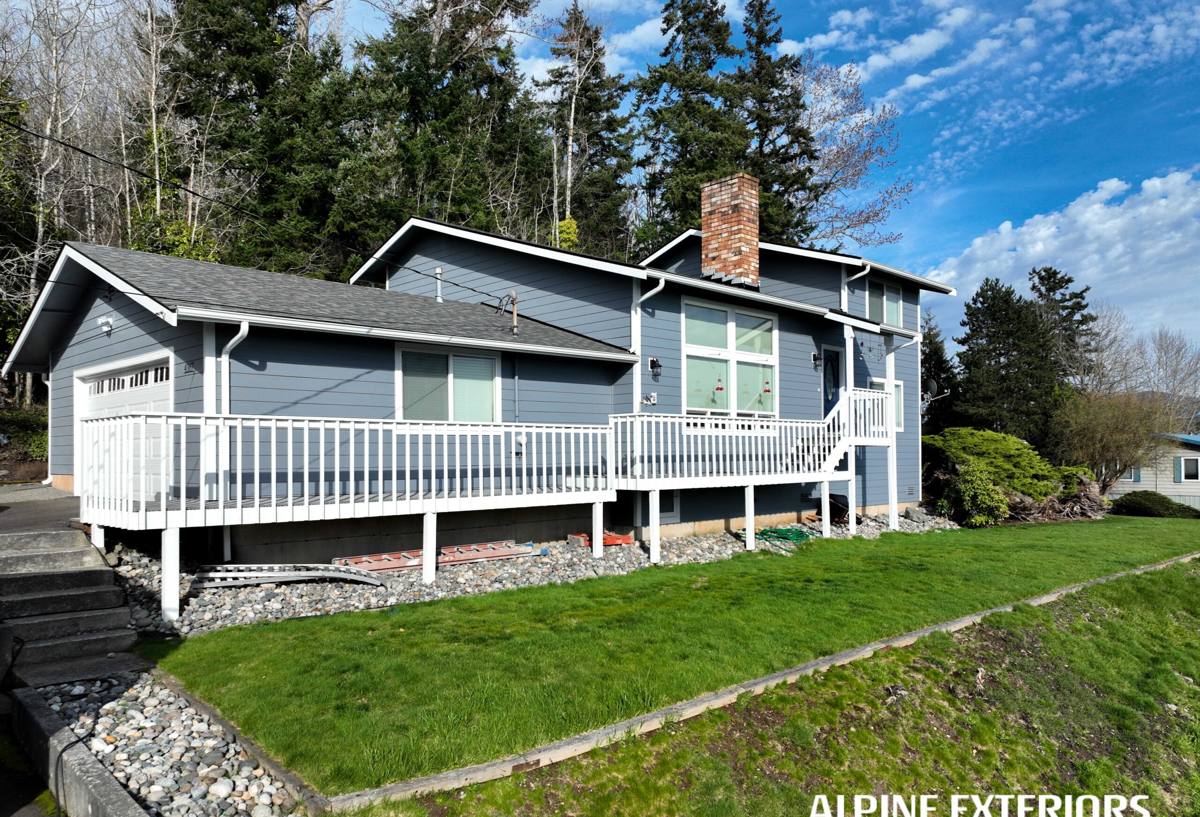
What Queen Anne's Setting Does to a Roof
Salt Air and Metal Fatigue
Even well back from the waterline, homes on Queen Anne pick up enough marine-influenced air to accelerate corrosion on exposed metal — flashing, fasteners, gutter hardware, and any roofing accessory that isn't rated for it. Standard-grade metal components that would hold up fine in a dry inland climate tend to show rust, pitting, or early failure noticeably sooner up here. It's one of the reasons flashing and fastener grade matters as much as the roofing material itself.
Wind-Driven Rain at Elevation
Rain on Queen Anne doesn't always fall straight down. Because the hill sits exposed to weather moving in off the water, storms regularly push rain sideways and upward against a roofline — working under shingle tabs, around vent boots, and into any seam that wouldn't be a problem in calmer weather. Roofs on the more exposed west- and south-facing slopes of the hill tend to show wear from this before roofs tucked into more sheltered pockets do.
A Long Moss Season on Shaded Planes
Mild temperatures and near-constant moisture from fall through spring give moss a growing season that runs most of the year across the Puget Sound region, and Queen Anne is no exception. North-facing slopes, roof planes shaded by mature trees, and low-slope sections all tend to hold moss longest. Left alone, moss holds moisture against the roofing surface and can work under shingle edges over time, which is a common reason otherwise serviceable-looking roofs are actually further along in failure than they appear from the ground.
Signs a Queen Anne Roof Needs Replacement, Not Just Repair
Most homeowners don't get up on the roof, and they don't need to. A lot of the warning signs are visible from the ground or the attic.
- Shingles curling at the edges, cupping in the middle, or missing outright across more than an isolated spot
- Granules collecting heavily in gutters or at the base of downspouts, exposing bare asphalt underneath
- Heavy moss coverage across large sections rather than just a shaded corner or two
- Flashing around chimneys, skylights, or vent penetrations that's rusted, lifted, or shows repeated caulk patches instead of a proper repair
- Sagging along the roofline or in valleys instead of a straight, even plane
- Daylight visible through the roof deck from inside the attic, or damp, discolored sheathing
- A roof that's already past the expected service life of its material, especially if it's never been replaced
Any single item on that list can often be handled with a targeted repair. Several of them together — especially on an older roof that's already seen a couple of decades of Queen Anne's weather — usually means it's time to stop patching and start planning a full replacement.
Repair vs. Replace: How We Make the Call
We don't default to recommending replacement just because a homeowner called about a leak. A lot of roof problems are legitimately fixable without tearing the whole thing off, and we'll say so when that's the honest read.
| Condition | Repair Usually Makes Sense | Replacement Usually Makes Sense |
|---|---|---|
| Isolated leak, otherwise sound shingles | Yes — targeted flashing or shingle repair | Only if the underlying decking is also compromised |
| Moss on one shaded section | Yes — treatment and cleaning | Not on its own |
| Widespread granule loss, brittle shingles | Rarely a lasting fix | Yes |
| Roof already past its material's expected lifespan | Short-term patch at best | Yes |
| Soft or damp roof decking found during inspection | Depends on how localized it is | Yes, if it's widespread |
| Multiple prior repairs in the same areas | Diminishing returns | Yes — the roof is telling you something |
What a Correct Replacement Actually Involves
Tear-Off and Deck Inspection
We remove the existing roofing down to the deck rather than layering new material over old — that's the only way to actually see what condition the sheathing is in. On older Queen Anne homes, this step sometimes turns up sections of decking that have taken on moisture over the years, particularly around old flashing that wasn't lapped correctly. Any compromised sheathing gets replaced before anything new goes down; covering over soft decking just guarantees a problem that resurfaces later.
Underlayment and Water Protection
A synthetic underlayment goes down across the full deck as the roof's secondary water barrier, with self-adhering ice-and-water membrane at the vulnerable spots — eaves, valleys, and around penetrations — where wind-driven rain is most likely to find a way in. This layer is what keeps a home dry even if wind ever drives water past the roofing material itself, which matters more on an exposed hill than it would on a sheltered, low-lying lot.
Flashing Details That Actually Determine Longevity
Flashing at chimneys, skylights, valleys, and wall-to-roof transitions is where most roof leaks on older Queen Anne homes actually originate — not from the field shingles themselves. Correct flashing laps properly with each course of roofing so water is directed out and away rather than trapped or forced backward under wind pressure. We use corrosion-resistant flashing material given how much marine air this hill sees, and we don't rely on caulk as a substitute for a proper lap — caulk is a supplement, not a seal on its own.
Ventilation That Protects the Roof From the Inside
A roof deck that can't breathe traps moisture from inside the house, which shortens the life of the roofing material from underneath regardless of how well it was installed on top. We check existing intake and exhaust ventilation during every replacement and correct it where it's inadequate — a common finding on older homes that were roofed decades ago under different building standards.
Choosing Roofing Material for an Older Queen Anne Home
There's no single correct roofing material for every house on the hill — it depends on the roof's pitch, the home's architectural style, and how much a homeowner wants to spend up front versus over the roof's lifespan. We walk through the honest trade-offs rather than pushing one option as the only right answer.
| Material | Upfront Cost | Performance in Wind-Driven Rain | Moss Resistance | Typical Lifespan |
|---|---|---|---|---|
| Architectural asphalt shingle | Lower | Good when installed with marine-rated fasteners and proper flashing | Moderate; benefits from periodic cleaning | 25–30 years |
| Standing seam metal | Higher | Excellent — smooth surface and continuous panels shed water aggressively | High; steep pitch and smooth surface discourage moss buildup | 40–50+ years |
| Cedar shake | Higher, with ongoing upkeep costs | Fair; performs best with diligent maintenance | Low without regular treatment | 20–30 years with maintenance |
On many of the older homes we work on in this neighborhood, we see cedar shake roofs original to the house that have reached the point where the maintenance commitment — periodic treatment, moss control, individual shake replacement — no longer makes sense compared to a modern shingle or metal system. That's not a knock on cedar as a material; it's a straightforward acknowledgment that this hill's moisture load makes ongoing upkeep a real, recurring cost, and we'd rather walk a homeowner through that trade-off honestly than let them find out the hard way a few years in.
What to Confirm Before Hiring a Roofer on Queen Anne
Steep-pitched, multi-story roofs on a hillside lot come with real safety and access considerations that flatter, more accessible roofs don't. That's worth screening for directly when you're comparing contractors.
- Current Washington contractor licensing and active liability insurance, confirmed in writing
- Fall-protection practices for steep-pitch work — ask directly rather than assuming
- A written scope that separates material warranty from workmanship warranty
- A clear tear-off-to-deck inspection step, not just "we'll reroof over what's there"
- A realistic timeline that accounts for Seattle's wetter months, when roofing work slows down across the whole region
- Local permitting handled as part of the job, not left for the homeowner to sort out
Our Process
We start with an on-site inspection — checking the roofing material's condition, the state of the decking where it's visible, existing flashing and ventilation, and how the current roof has held up against this hill's specific exposure. From there we give a straightforward repair-or-replace recommendation and a written scope before any work begins, including realistic timing given King County's weather. Tear-off, deck inspection and repair, underlayment, flashing, and ventilation correction are standard steps on every full replacement we do, not optional upgrades added to the invoice later. We handle permitting and keep the site clean and safe throughout, which matters more on a hillside property with limited access than it does on a flat, easy lot.
Why a Crew That Already Works This Hill Matters
A contractor who works Queen Anne regularly already understands how wind-driven rain and marine air behave differently here than they do a few miles inland, and how much that elevation and exposure actually matter to a roof's lifespan. That knowledge shows up in the decisions that aren't visible in a sales pitch — how much flashing lap a valley gets, which fastener grade gets specified for a hilltop exposure, how ventilation gets corrected on a decades-old attic. It also means fewer surprises around steep-pitch access, King County permitting, and realistic scheduling around Seattle's wetter stretches, because those are things we deal with on this hill on a regular basis rather than learning for the first time on your roof.
If your roof is showing its age, or you're just not sure whether repair or replacement is the right call for your Queen Anne home, we're happy to take a look and give you a straightforward, no-pressure read. Reach out below for a free estimate.