 King County
 Roofing Built for How Sammamish Actually Weathers
Sammamish sits under a heavy tree canopy on the plateau east of Lake Sammamish, and that setting shapes what a roof has to survive here. Long stretches of drizzle and driving rain move through King County most of the year, tree cover keeps roof surfaces shaded and damp longer than in open areas, and moisture-laden Puget Sound air keeps humidity high even between storms. Put those together and you get a climate that's tough on roofs in a specific way: not sudden failure, but slow, steady moisture intrusion, granule loss, and moss growth that most homeowners don't notice until it's already caused damage underneath.
A roof replacement done right for a Sammamish home isn't just about swapping old shingles for new ones. It's about building in the moisture management, ventilation, and moss resistance that this climate demands, so the new roof actually outperforms the one it's replacing.
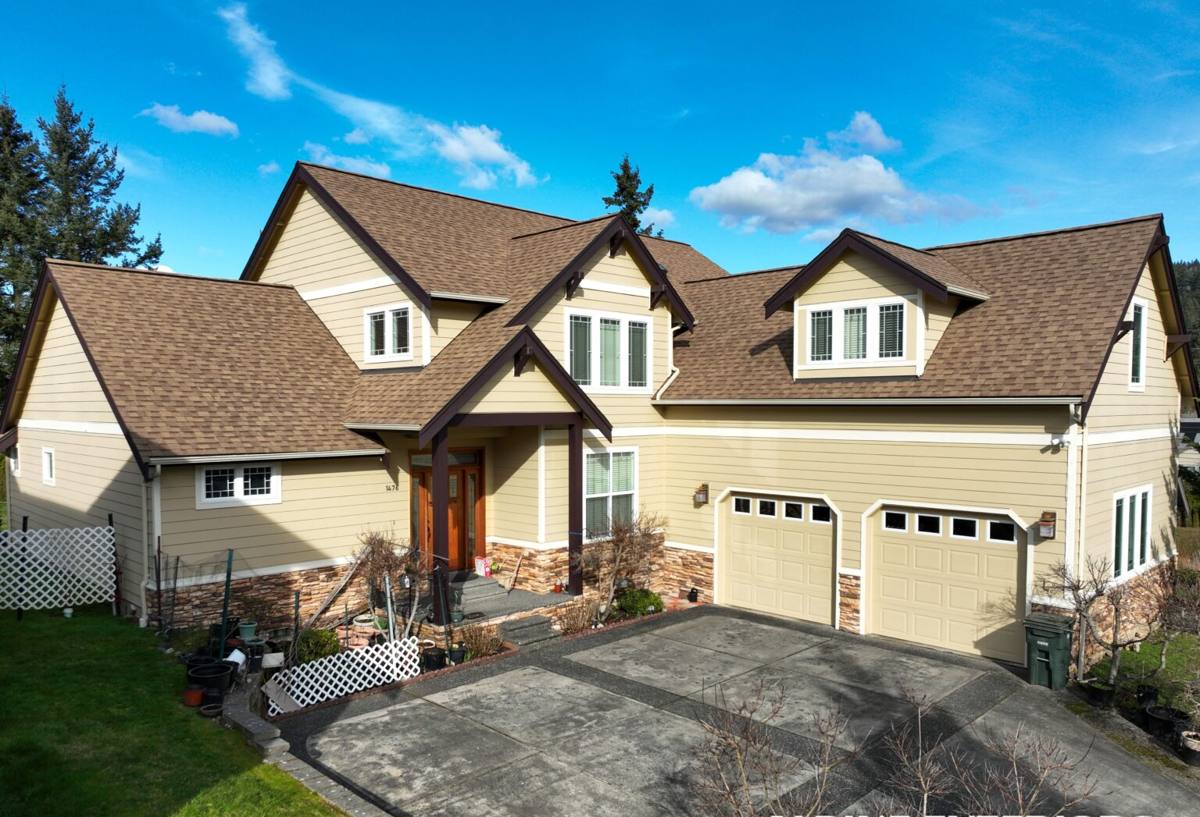
Signs a Sammamish Roof Needs Replacement, Not Another Repair
Repairs make sense when a roof has isolated damage and years of usable life left. Replacement makes sense when the roof's ability to shed water is failing as a system. Here's how to tell which situation you're in.
- Shingles are cupping, curling, or losing granules across large sections, not just one spot
- Moss has established itself in mats rather than light surface growth, especially on north-facing or shaded slopes
- You've had two or more leak repairs in the same general area within a few years
- The roof is nearing or past the manufacturer's expected service life for its material
- Decking feels soft or spongy when walked, or there's daylight visible through the attic roof boards
- Flashing around chimneys, skylights, or vents is rusted, lifted, or was never properly step-flashed
If you're seeing two or more of these, a roofer should be assessing the whole roof system, not patching the symptom.
What a Correct Roof Replacement Actually Involves
Full Tear-Off and Deck Inspection
We remove the existing roofing down to the deck rather than layering over old material. That's the only way to find rot, soft spots, or delamination in the plywood or plank sheathing underneath — problems that are common on older Sammamish homes where a roof has been holding moisture against the deck for years without anyone knowing. Any damaged decking gets replaced before a single new shingle goes down; skipping this step is the single most common cause of a roof failing early.
Underlayment and Water Protection
In a climate with this much sustained rain, the underlayment matters almost as much as the shingles themselves. We use synthetic underlayment across the field of the roof for consistent water resistance, with self-adhering ice-and-water shield at the eaves, valleys, and any roof penetration — the places water concentrates and where wind-driven rain is most likely to work its way underneath the shingle layer.
Ventilation That Matches the Attic
A roof replacement is the right time to correct ventilation, and it's frequently overlooked. Balanced intake at the eaves and exhaust at the ridge keeps the attic temperature and moisture level stable, which reduces condensation on the underside of the deck and helps prevent the ice-dam and moss conditions that come from trapped heat and humidity. We check net free ventilation area against the attic square footage rather than assuming the existing setup is adequate.
Flashing Done Right
Chimneys, skylights, sidewalls, and vent penetrations are where most roof leaks actually start, not in the open field of shingles. Proper step flashing, counter-flashing, and pipe boots — installed new, not reused — are non-negotiable parts of a correct replacement.
Choosing a Roofing Material for a Sammamish Property
Most Sammamish homes land on one of a few practical material choices. The right one depends on your roof's slope, sun/shade exposure, and how long you want to go between maintenance cycles.
| Material | How It Handles Moss & Moisture | Typical Lifespan | Best Fit |
|---|---|---|---|
| Standard 3-tab asphalt shingle | Adequate with regular cleaning; more prone to granule loss over time | 15–20 years | Budget-focused replacements |
| Architectural (laminate) asphalt shingle | Better moisture shedding due to thicker profile; still needs moss upkeep in shaded areas | 25–30 years | Most Sammamish homes — our most common recommendation |
| Metal roofing (standing seam or panel) | Sheds water and resists moss growth better than any shingle option | 40–50+ years | Steep-slope homes, heavy tree cover, long-term owners |
| Cedar shake | Attractive but holds moisture and needs the most consistent moss/debris maintenance of any option | 20–30 years with upkeep | Homeowners committed to regular maintenance for a specific look |
We don't push one material on every homeowner. We'll walk your roof, talk through your budget and how much maintenance you actually want to do, and recommend what fits — including telling you honestly if a lower-cost option is a false economy given your tree cover or slope.
How Our Roof Replacement Process Works
- On-site assessment: We inspect the current roof, decking condition (where accessible), ventilation, and flashing details, and take measurements for an accurate quote.
- Written estimate: A clear scope of work and price, including material options, so you're comparing the same thing across any bids you collect.
- Scheduling around weather: Roofing needs a dry work window. We plan around King County's forecast and communicate if a rain system pushes the timeline.
- Tear-off and deck repair: Old roofing removed, deck inspected and repaired as needed, debris hauled off daily.
- Underlayment, flashing, and ventilation installed: The moisture-management layer that does the real work over the life of the roof.
- New roofing installed: To manufacturer specifications, which is what keeps material warranties valid.
- Final walkthrough: We review the completed job with you, including gutters, downspouts, and site cleanup, before calling it done.
Moss, Trees, and Debris: Managing the Realities of a Wooded Lot
Sammamish's tree cover is part of what makes the area attractive to live in, and it's also the main driver of moss and debris buildup on roofs here. A new roof reduces the problem — smoother granule surfaces and proper flashing give moss less to grab onto — but it doesn't eliminate the need for basic upkeep. We recommend clearing needles and leaf debris from valleys and gutters at least twice a year, and having moss treated (not pressure-washed, which can strip granules) before it establishes into thick mats. Where zinc or copper strips are a good fit for a roof's design, we can install them at the ridge to reduce moss regrowth between cleanings.
Permits, Timeline, and What to Expect During the Job
Most full roof replacements in King County require a building permit, and we handle that process as part of the job rather than leaving it to the homeowner. A typical single-family roof replacement takes one to a few days on-site once work begins, though the exact timeline depends on roof size, complexity, and whether deck repairs are needed. Expect noise during tear-off and installation, a dumpster or debris trailer on-site, and a final cleanup pass — including a magnetic nail sweep of the yard and driveway — before we consider the job finished.
Why Hiring a Crew That Already Works Sammamish Matters
A roofer who works Sammamish regularly already knows the practical details that affect a job here: which neighborhoods sit under heavy tree canopy and need extra ventilation planning, how the local permit process runs, and what moss pressure actually looks like on a shaded north slope versus an open south-facing one. That local familiarity shows up in fewer surprises during the project and a roof that's built for the conditions it will actually face, not a generic install. It also means someone local to call if a question comes up after the job is done, rather than chasing down an out-of-area crew.
Questions to Ask Before You Hire a Roofer
- Are you licensed and insured in Washington, and can you provide proof?
- Will you provide a written scope of work, not just a total price?
- Who handles the building permit — you or me?
- What's included in tear-off — is decking inspection and repair itemized separately or assumed?
- What underlayment and ventilation approach are you using, and why?
- What does the workmanship warranty cover, separate from the manufacturer's material warranty?
- How do you handle site cleanup and nail sweep at the end of the job?
A contractor who answers these clearly and specifically, without hedging, is one worth taking seriously.
If your roof is showing its age or you're just not sure whether repair or replacement is the right call, we're happy to take a look. Reach out for a free, no-pressure estimate using the form below, and we'll give you a straight assessment of where your roof stands.