 King County
 Window Installation Built for Sammamish Homes
Sammamish sits up on the plateau between Lake Sammamish and the Cascade foothills, and that location shapes what your windows deal with year-round. Unlike the saltwater-facing parts of King County, Sammamish's biggest enemy isn't salt spray — it's moisture. Heavy tree cover, long stretches of overcast and drizzle, and lots that stay shaded well into the afternoon all add up to windows that see more sustained dampness than a house out in the open sun. When a window installation isn't done right here, that moisture doesn't dry out fast. It sits, it works into wood trim, and eventually it shows up as soft sills, fogged glass, or moss creeping along the frame edges.
We install windows across King County, and Sammamish jobs have a particular pattern: newer construction from the '90s and 2000s building boom, mixed with older homes that have been added onto or remodeled. Both come with their own installation quirks, and getting the flashing and sealing right matters more here than in a drier climate, because a small gap or a skipped step doesn't just cause a draft — it becomes a slow leak that rots framing before anyone notices.
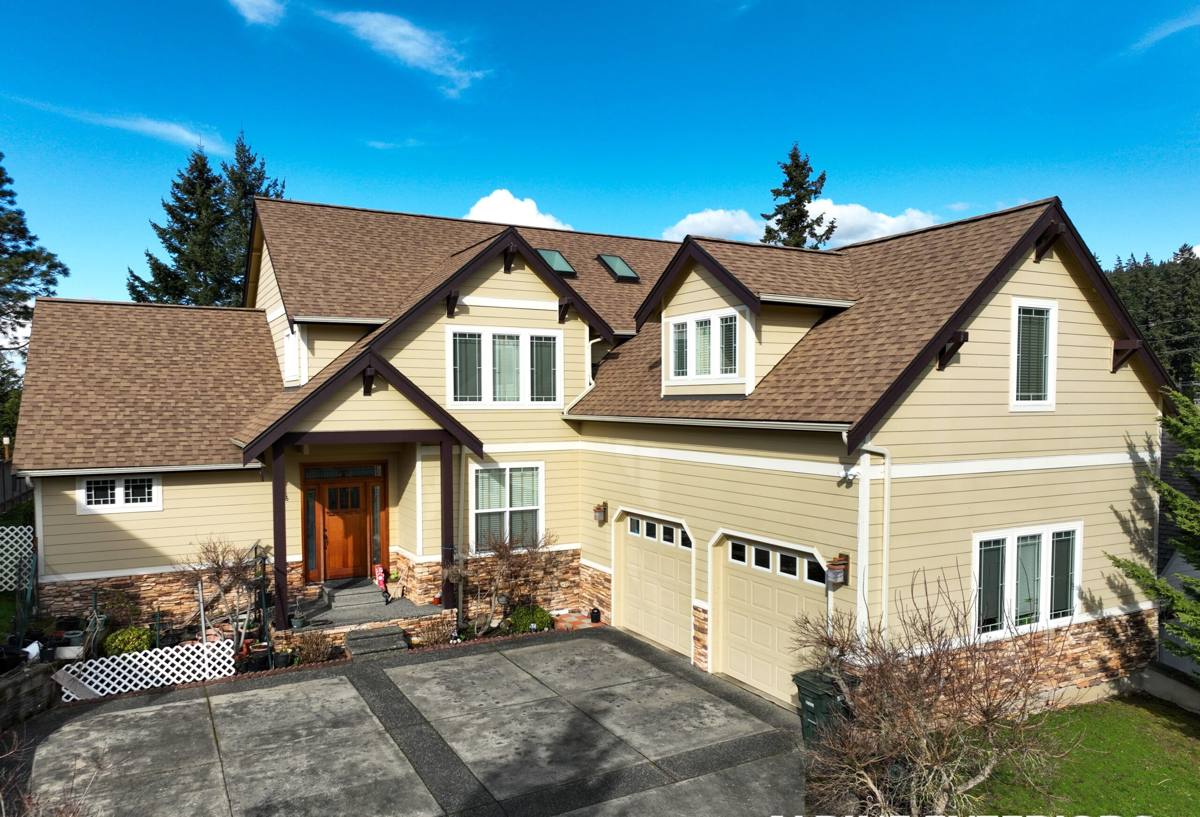
What Sammamish's Climate Actually Does to Windows
Persistent Moisture, Not Storm Damage
Sammamish doesn't take the wind-driven rain that hits the coast, but it gets long, low-intensity rain events that can last for days, combined with heavy morning fog off the lake and surrounding wetlands. That kind of steady dampness is actually harder on a poorly sealed window than a single hard storm, because the moisture has time to find its way in through capillary action at seams and nail fins, rather than being forced in by wind pressure.
Shade and Tree Cover
Many Sammamish lots — especially in the more established, tree-lined neighborhoods — stay shaded for large parts of the day. That's great for cooling in summer, but it means window surfaces and surrounding trim dry out slower after rain. Wood-clad windows and painted trim in shaded spots are more prone to moss, mildew staining, and slow paint failure than the same materials on a sun-exposed elevation.
Moss and Organic Growth
Moss doesn't just grow on roofs here. Given a shaded, damp sill or a window with poor drainage at the bottom track, you'll see moss and algae staining establish within a season or two. It's mostly cosmetic at first, but it holds moisture against the frame and accelerates rot in wood components if it's not kept in check.
Temperature Swings and Condensation
Sammamish sits slightly higher and further from the lake's moderating effect than lower-elevation King County neighborhoods, so it can run a few degrees cooler on clear winter nights. Combined with well-insulated modern homes, that temperature difference between inside and outside air is exactly the condition that causes interior condensation on older or poorly sealed windows.
What a Correct Installation Involves
A window installation that holds up in this climate isn't just "remove old window, set new one, caulk the edges." It's a sequence, and skipping steps is how you get callbacks two winters later.
- Removing the old unit without tearing the surrounding wall sheathing or trim more than necessary
- Inspecting the rough opening and sill for existing rot or moisture damage before anything new goes in
- Installing a sloped sill pan so any water that gets past the window has somewhere to drain, rather than pooling at the bottom of the frame
- Applying flashing tape in the correct shingle-lap order — sill first, then jambs, then head — so water is always directed outward and downward, never into the wall
- Setting the window level, plumb, and square, then shimming it correctly so it isn't relying on fasteners alone to hold its shape
- Sealing the interior air barrier separately from the exterior water barrier — these are two different jobs, not one bead of caulk
- Insulating the gap between the window frame and rough opening with the right amount of low-expansion foam or backer rod, not overfilled foam that can bow the frame
- Finishing exterior trim and caulking with materials rated for continuous PNW moisture exposure
If a crew skips the sill pan or flashes out of order, the window can look perfect for a year or two before a leak shows up — usually as a stain on interior drywall or a soft spot in the exterior trim. By then it's a repair job, not a punch-list item.
Choosing the Right Window for a Sammamish Home
Material choice matters more here than in a dry climate, because whatever you pick has to handle repeated wet-dry cycles for years without maintenance falling behind.
| Frame Material | How It Handles Sammamish's Climate | Maintenance |
|---|---|---|
| Vinyl | Doesn't absorb moisture, won't rot; performs consistently in shaded, damp spots | Low — occasional cleaning |
| Fiberglass | Very stable in temperature swings, resists warping better than vinyl in extreme cases | Low |
| Wood (clad or unclad) | Can perform well but is unforgiving of installation mistakes; unclad exterior wood is a poor fit for shaded, damp lots | High — regular paint/finish upkeep |
| Aluminum | Durable but conducts cold, which increases interior condensation risk in our cooler evenings | Moderate |
We don't install every product on the market, and that's a deliberate call. Some window lines are harder to flash correctly, have thinner warranty coverage, or require maintenance schedules that most homeowners realistically won't keep up with. We'd rather steer you toward a product we know installs cleanly and holds up here than sell you something that looks good on a spec sheet but creates problems five years out.
How We Approach a Sammamish Job
1. On-Site Assessment
We look at each opening individually — not every window on a house needs the same approach. We check for existing rot, prior water intrusion, and how exposed or shaded each elevation is, since a north-facing window under mature trees needs more attention to drainage than a sun-exposed south wall.
2. Product Recommendation
Based on that assessment and your budget, we'll recommend frame material and glass package. Double-pane with a good low-E coating is standard for this climate; we'll talk through whether triple-pane makes sense for your specific situation rather than upselling it by default.
3. Installation
Our crews follow the sill-pan-and-shingle-lap flashing sequence described above on every job, no exceptions, whether it's one replacement window or a full-house project.
4. Walkthrough
Before we consider a job done, we walk it with you — operation, locks, sightlines, and exterior finish work all get checked together.
Replacement vs. New Construction Windows
Sammamish has a mix of remodel work and true new construction, and the installation approach differs.
- Replacement (insert) windows fit into the existing frame and exterior trim, which is faster and less invasive — the right call when the surrounding structure is sound.
- Full-frame (new construction) windows remove the old frame down to the rough opening, exposing the sheathing and framing for a full inspection and fresh flashing. This is the right call anytime there's evidence of past leaks, rot, or if you're changing window size or type.
We'll tell you honestly which category your project falls into rather than defaulting to whichever is easier for us. If a homeowner wants a quick insert replacement but we find soft framing underneath during the estimate, we'll flag it before work starts, not after.
What to Watch For Between Now and an Upgrade
If you're not ready to replace windows yet, a few signs tell you the clock is running:
- Visible moss, algae, or dark staining building up on the sill or lower frame
- Condensation forming between the panes (a sign the seal has failed, not something a new sash fixes)
- Wood trim that feels soft or spongy when pressed near the frame
- Noticeable draft or cold spot near the window in winter, even with it fully closed
- Difficulty opening, closing, or locking that's gotten worse over a year or two
None of these mean you need to replace today, but they're worth having looked at before the next wet season adds to the damage.
Why Local Installation Experience Matters
Window installation looks similar on paper everywhere, but the details that keep a window performing for 20+ years are climate-specific. A crew that mostly works drier inland climates may not default to a sill pan on every job, or may under-flash because it's rarely caused a callback where they usually work. In King County's wetter, shaded conditions, that same shortcut shows up as a problem within a few seasons. Working Sammamish and the surrounding King County area regularly means we're used to sizing up shaded, tree-covered lots, older homes with prior water history, and newer construction that still needs the same careful flashing details regardless of age.
If you're weighing whether it's time to replace a window, or want a straight answer on what a proper installation should include for your home, we're happy to take a look. Fill out the form below for a free, no-pressure estimate — we'll walk your windows with you and tell you what we actually see, not just what sells.