 King County
 Bothell's Climate Is Hard on Siding
Bothell sits in one of the greener, wetter stretches of King County, where heavy tree canopy, marine-influenced weather rolling in off Puget Sound, and long runs of overcast, drizzly days are just part of life here. That combination is exactly what wears siding down over time. Most homes in this area don't fail from one dramatic event — they fail slowly, from months of damp air, driving rain that gets pushed sideways by wind against exposed walls, and shaded siding that never fully dries out between storms.
Add in the salt-tinged, moisture-heavy air that pushes inland from the Sound during wet weather systems, and you have a steady, low-grade load on anything that was installed with the wrong materials or without attention to detail. Moss and algae season in this part of King County can stretch eight months or longer on north-facing walls and anywhere shaded by mature trees or neighboring structures. Once organic growth takes hold on a wall, it holds moisture against the surface and speeds up whatever damage is already starting underneath — which is why a repair that only looks at the surface almost never solves the actual problem.
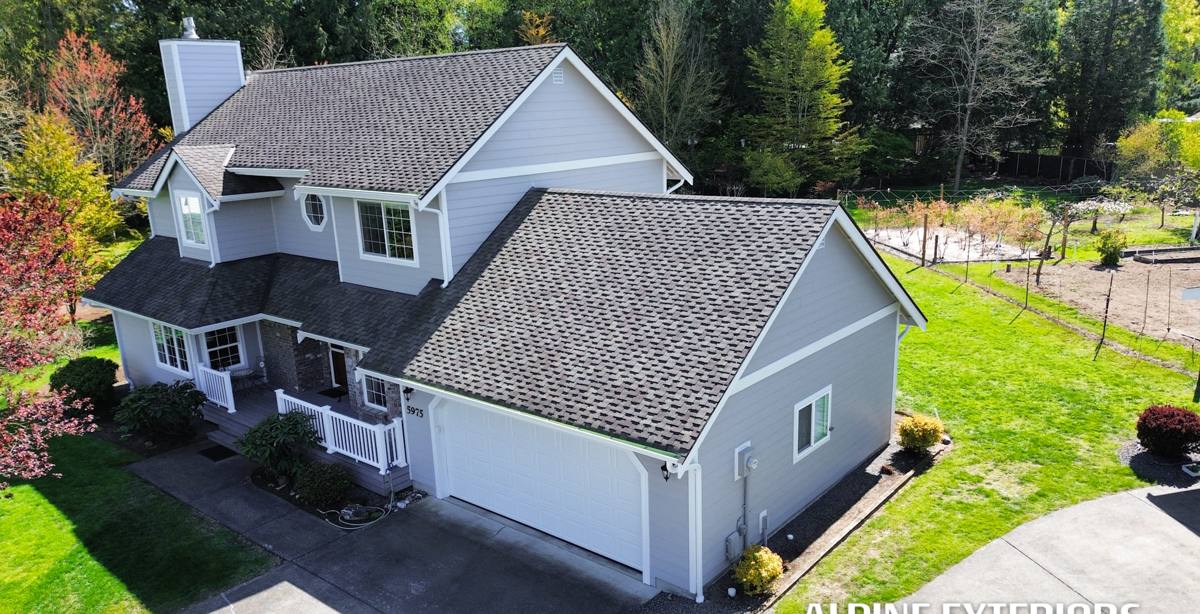
What We Typically Find on Bothell Repair Calls
Moisture Trapped Behind the Cladding
The most common issue we run into isn't visible from the driveway. Water gets behind a siding panel — through a nail hole, a cracked caulk joint, or a poorly flashed window or door — and the siding itself, plus whatever is behind it, stays wet far longer than it should in our climate. By the time a homeowner notices soft spots, bubbling paint, or discoloration, there's often already damage to the sheathing or framing underneath.
Moss, Algae, and Chronic Damp Spots
Shaded exposures and areas with poor airflow around plantings tend to develop persistent moss and algae growth. Beyond the cosmetic issue, that growth traps moisture against the siding surface for extended periods, which is a problem for any cladding material but is especially damaging to wood-based or improperly sealed products.
Failed Caulking and Trim Joints
Caulk is a wear item, not a permanent seal, and King County's freeze-thaw swings combined with near-constant damp weather break it down faster than in drier climates. Once a joint opens up around a window, corner board, or trim piece, water has a direct path into the wall assembly.
Impact and Storm Damage
Wind-driven branches, ladder contact, and the occasional storm event cause cracked, dented, or dislodged panels. These are usually the easiest repairs to diagnose, but the fix still has to account for how the surrounding material has weathered, not just the damaged spot itself.
What a Correct Siding Repair Actually Involves
Diagnosing Past the Visible Damage
A repair that only addresses what you can see from the ground is a temporary fix at best. Before we touch a wall, we look at what's causing the damage — a flashing detail, a grading issue pushing splash-back onto the siding, a gap in the water-resistive barrier — because replacing a panel without fixing the cause just buys a few more years before the same spot fails again.
Matching Material and Finish
Repairs that use mismatched material — a different profile, a different thickness, or paint instead of a factory finish — are usually obvious and rarely hold up the same way as the original installation. Getting a repair that blends in and performs consistently means matching the product system, not just the color.
Getting the Water Management Right
Proper flashing above windows and doors, correct lap and overlap on horizontal siding, and adequate clearance at the bottom of the wall are what actually keep water out — the siding itself is really only the visible layer of a larger water-management system. Any repair that skips these details is patching a symptom.
Repair or Replace? How We Help You Decide
Not every damaged section needs a full re-side, and not every repair is worth doing on its own. We walk through the same factors on every job to give you an honest answer instead of steering toward whichever option is more profitable for us.
| Factor | Leans Toward Repair | Leans Toward Replacement |
|---|---|---|
| Extent of damage | Isolated to one or two areas | Spread across multiple walls or elevations |
| Age and condition of existing siding | Relatively young, otherwise sound | Near or past expected service life |
| Moisture findings behind the surface | Localized, framing unaffected | Widespread moisture or sheathing damage found |
| Material match availability | Product still available and matchable | Discontinued profile or badly faded finish |
| Underlying cause | A fixable detail, like one flashing point | Systemic issue affecting the whole assembly |
When a repair is the right call, we say so. When the damage points to a bigger, ongoing moisture problem, we'll explain exactly why and what we found, rather than just recommending the more expensive option.
Our Process for a Bothell Repair Call
- On-site inspection of the damaged area and a check of the surrounding wall for related issues, not just the obvious spot.
- Moisture and cause diagnosis, including a look at flashing, caulking, grading, and any related trim or window details.
- A clear, written explanation of what we found and a straightforward repair-or-replace recommendation.
- A written quote before any work begins — no surprise add-ons once we're on the wall.
- The repair itself, done to match the existing siding as closely as possible in profile, reveal, and finish.
- A final walk-through so you can see the completed work and ask questions before we consider the job done.
Why We Repair and Replace With James Hardie Only
We don't install or repair with vinyl, LP SmartSide, Cemplank, Allura, primed spruce, or cedar — and that standard applies to repair work just as much as new installs. When a repair calls for new material, patching engineered wood or vinyl siding with mismatched product, or repairing wood siding that's already showing rot, usually just delays a bigger problem in a climate like ours. Fiber cement doesn't absorb water the way wood-based products can, and it isn't vulnerable to the swelling, delamination, and edge damage that engineered wood siding can develop in prolonged damp conditions.
James Hardie's ColorPlus factory finish is baked on under controlled conditions and backed by its own finish warranty, which matters for repair work specifically — a factory-finished replacement panel holds its color far more consistently over time than a field-painted patch, so repaired sections don't stand out a year or two later. Hardie's HZ5 product line is engineered for the kind of freeze-thaw and moisture exposure the Pacific Northwest sees, and the company backs it with a long transferable product warranty. When damage is limited to a small section, we can often match into existing Hardie siding directly. When it isn't, we'll walk you through what full replacement with Hardie would look like and why we think it's the better long-term investment for a King County home.
A Quick Self-Check for Bothell Homeowners
You don't need to be a siding expert to catch problems early. A few minutes walking the perimeter of your home, especially after a stretch of heavy rain, can catch issues before they become expensive.
- Soft or spongy spots when you press gently on the siding surface
- Visible moss, algae, or dark staining, especially on shaded or north-facing walls
- Cracked, peeling, or missing caulk around windows, doors, and corner trim
- Panels that look warped, bowed, or separated from the wall
- Paint that's bubbling, flaking, or discolored in a localized area
- Any musty smell or visible staining on interior walls that share an exterior wall with a suspect area
If you notice any of these, it's worth getting a professional look sooner rather than later. Small moisture problems are inexpensive to fix; the same problem left for another wet season usually isn't.
Why Hiring a Crew That Already Works in Bothell Matters
Siding repair isn't one-size-fits-all, and a crew that mostly works in drier climates can miss details that matter here. Knowing how far Bothell's tree cover and shade patterns extend moss season, how the local mix of rain and wind drives water into specific wall assemblies, and what King County's permitting and inspection expectations look like all shape how a repair should be done — not just what it looks like when it's finished. A crew that's already familiar with the area's housing stock and common construction details spends less time re-diagnosing basics and more time getting the actual fix right the first time.
If you're seeing signs of moisture damage, moss buildup, or aging trim and caulking on your siding, we're happy to take a look and give you an honest read on what's going on and what it would take to fix it. Reach out for a free, no-pressure estimate using the form below.