 King County
 Issaquah's Climate Is Tougher on Siding Than It Looks
Issaquah sits at the foot of the Issaquah Alps — Tiger Mountain, Squak Mountain, and Cougar Mountain — and that geography shapes how siding ages here. Heavily wooded lots and tree canopy keep large sections of many homes in shade for most of the day, which means siding stays damp long after a storm has passed. Add in rainfall totals that run higher than what homes closer to downtown Seattle see, and you have a recipe for a genuinely long moss and algae season on the shaded, north-facing walls that never get a chance to fully dry out.
Wind-driven rain during King County's fall and winter storm cycles is another factor homeowners underestimate. Rain that comes in sideways doesn't just wet the face of the siding — it works its way toward seams, trim joints, and penetrations like hose bibs and light fixtures. Whether that moisture stays out comes down almost entirely to flashing and installation detail, not the siding material's brand name.
Moss and algae growth is more than cosmetic. A shaded wall that stays damp for weeks at a time holds moisture directly against the siding surface, which speeds up decay in wood-based products and breaks down paint and caulk faster than a sunnier, drier elevation would. On an older or improperly installed system, that moisture eventually finds its way behind the cladding.
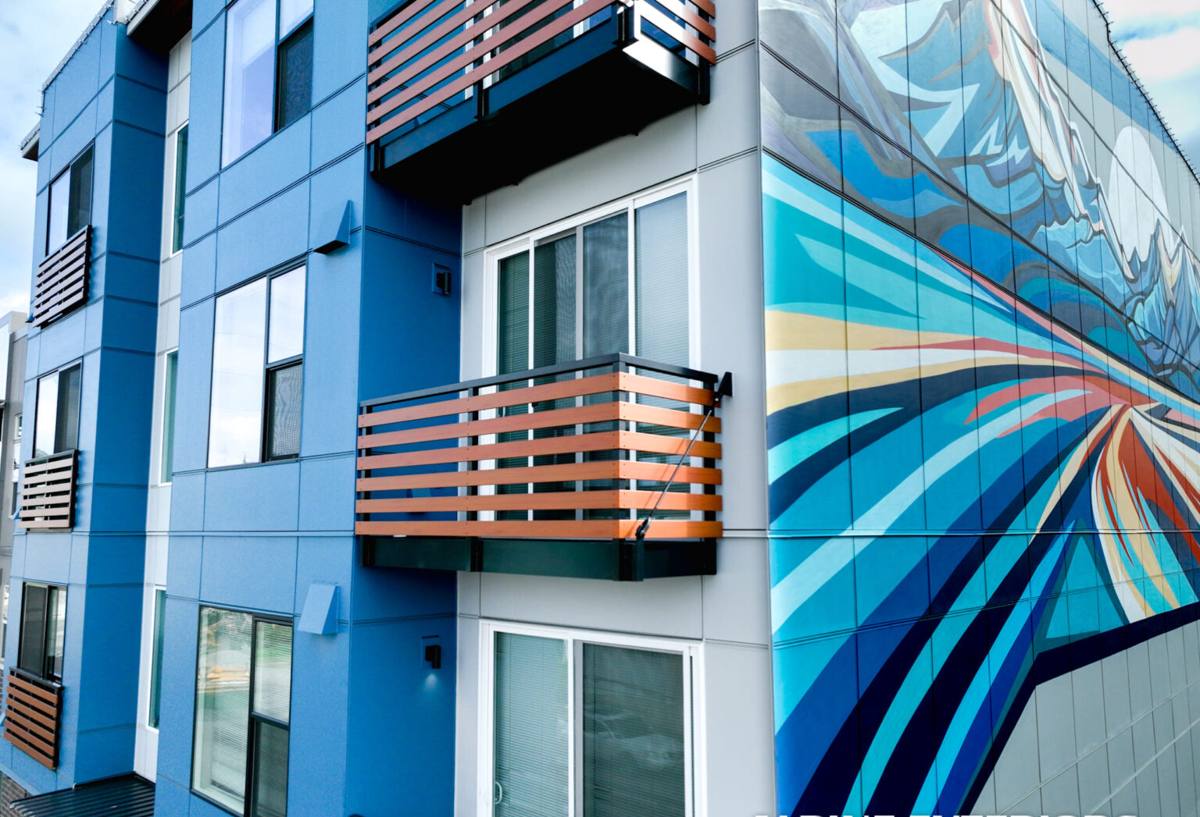
Signs Your Issaquah Home Needs Siding Replacement
Some warning signs are obvious. Others show up gradually enough that homeowners write them off as normal wear until they become a bigger repair. Here's what we look for during an assessment:
- Soft, spongy, or bubbling panels, especially near the bottom courses or under windows
- Paint or finish that peels or fades again within a season or two of repainting
- Moss or algae that comes right back within weeks of cleaning
- Boards that have warped, cupped, or bowed away from the wall
- Visible gaps opening up at seams, corners, or trim joints
- A noticeable jump in heating costs, which can point to a compromised wall assembly
- Wood-based siding older than 20–25 years that has never been fully re-sided
Any one of these on its own might just need a repair. Several together, especially on the shaded side of the house, usually mean the siding system as a whole is past the point where patching makes sense.
What a Correct Siding Replacement Involves
Tear-Off and What's Underneath
Removing the old siding is where the real inspection happens. We check the sheathing and framing underneath for rot, particularly on shaded, tree-covered exposures where moisture has had the most time to do damage, and we check the condition of whatever weather-resistive barrier is already in place. Any soft or compromised sheathing gets repaired before a single new panel goes up — covering it over just locks the problem inside the wall.
Weather-Resistive Barrier and Flashing
In a climate with this much sustained rainfall, the barrier and flashing details matter more than the siding itself. That means a continuous weather-resistive barrier, correctly lapped window and door flashing, and kick-out flashing at every roof-to-wall intersection so water is directed out and away from the wall assembly instead of down behind it.
Installation to Spec
Nailing patterns, gap allowances, and clearances from grade and roof lines are all specified by the manufacturer for a reason — they control how the material expands, contracts, and sheds water over decades, not just the first year. Installation error, not the product itself, is the single most common cause of premature siding failure we see, regardless of what brand is on the wall.
Finish Work
The last stage is where a job either looks finished or looks rushed: consistent caulk lines, properly mitered and fastened trim, touch-up work at cut edges, and a full site cleanup so the yard looks the way it did before the crew arrived.
Why We Install Only James Hardie Fiber Cement
We standardized on James Hardie fiber cement siding, and we don't install vinyl, LP SmartSide, or bare wood and cedar siding. That's a deliberate professional standard, not a marketing preference, and it's worth explaining honestly rather than just asserting.
Hardie's HZ5 product line is engineered specifically for climates like ours — one with sustained moisture, moderate freeze-thaw cycling in the foothills, and long stretches without direct sun on shaded walls. It's non-combustible fiber cement, which matters increasingly for insurance and wildfire-adjacent building codes in wooded King County neighborhoods. The ColorPlus factory finish is baked on under controlled conditions rather than applied on site, so it holds color and resists fading and peeling far longer than a field-applied paint job, which means less repainting on a home that already spends a lot of the year in shade and damp. It also carries a strong transferable warranty, which matters to buyers if you ever sell.
We want to be fair to the alternatives rather than dismissive. Vinyl siding costs less up front and requires very little maintenance, but it can warp or fade over time and locks you into whatever color it shipped in — you can't repaint it if your taste or the home's exterior palette changes. Wood and cedar siding look genuinely beautiful and many homeowners love that look, but they demand ongoing painting and sealing to hold up, and that maintenance schedule is hard to stay ahead of in a climate with a moss season this long. Engineered wood products have improved a great deal, but the moisture sensitivity at cut edges and panel seams is a real, documented trade-off — and it's the specific risk that led us to stop installing that category rather than manage it project by project. None of these are bad products for every situation; they're just not what we're willing to put our name behind after weighing how each performs against this specific climate.
Comparing Siding Options for Issaquah's Climate
| Material | Moisture & Moss Resistance | Maintenance | Typical Lifespan |
|---|---|---|---|
| James Hardie fiber cement (HZ5) | Non-combustible, engineered for wet/marine-influenced climates | Low — factory finish, occasional wash | Multiple decades with correct install |
| Vinyl | Doesn't rot, but can trap moisture behind panels if installed poorly | Low, but color can't be changed | Moderate; can warp or fade over time |
| Wood/cedar | Attractive but absorbs moisture; prone to moss on shaded walls | High — regular painting/sealing required | Shorter without diligent upkeep |
| Engineered wood (LP-type) | Moisture-sensitive at cut edges and seams | Moderate | Variable, install-dependent |
Our Process for Issaquah Siding Replacement Projects
- On-site assessment of the full exterior, noting tree cover, shade patterns, and drainage around the foundation
- Sheathing and moisture check once old siding comes off, with repairs made before new material goes up
- Material and color selection from Hardie's ColorPlus lineup, matched to the home's exposure and style
- Permitting through the City of Issaquah and King County as required for the scope of work
- Installation by a crew that plans around wet-weather windows rather than rushing product into a storm
- Final walkthrough and cleanup so nothing is left behind on the property
Cost Factors for Siding Replacement in Issaquah
We won't quote a number here that doesn't reflect your specific home, but these are the factors that consistently move the price up or down on Issaquah projects:
- Total square footage and number of stories
- Amount of trim, gables, and architectural detail to cut and finish around
- Condition of the sheathing once old siding is removed — hidden rot repair is the most common surprise cost
- Lot accessibility, since many Issaquah homes sit on sloped or heavily wooded lots that affect staging and disposal
- Whether tear-off involves multiple layers of old siding or hazardous materials disposal
The only way to get a real number is a walk-around of your specific home, which is exactly what our estimate covers.
Why Hire a Crew That Already Works in Issaquah
A crew that already works this area knows which streets and neighborhoods sit under heavy tree canopy long enough to need extra attention to moss and drainage, and which lots are sloped or wooded enough to change how a job gets staged. They know the City of Issaquah and King County permitting process, and they know how to schedule around this region's wet-weather windows instead of installing siding into conditions that compromise the work before it's even finished. That local familiarity shows up in fewer surprises and a job that's planned around how this specific place actually behaves, not a generic template.
If your Issaquah home's siding is showing any of the signs above, or you'd just like an honest read on where it stands, we're happy to take a look. Reach out for a free, no-pressure estimate — there's a form right below to get started.